GEICO Trailer Insurance: What to Check Before You Buy
The short answer
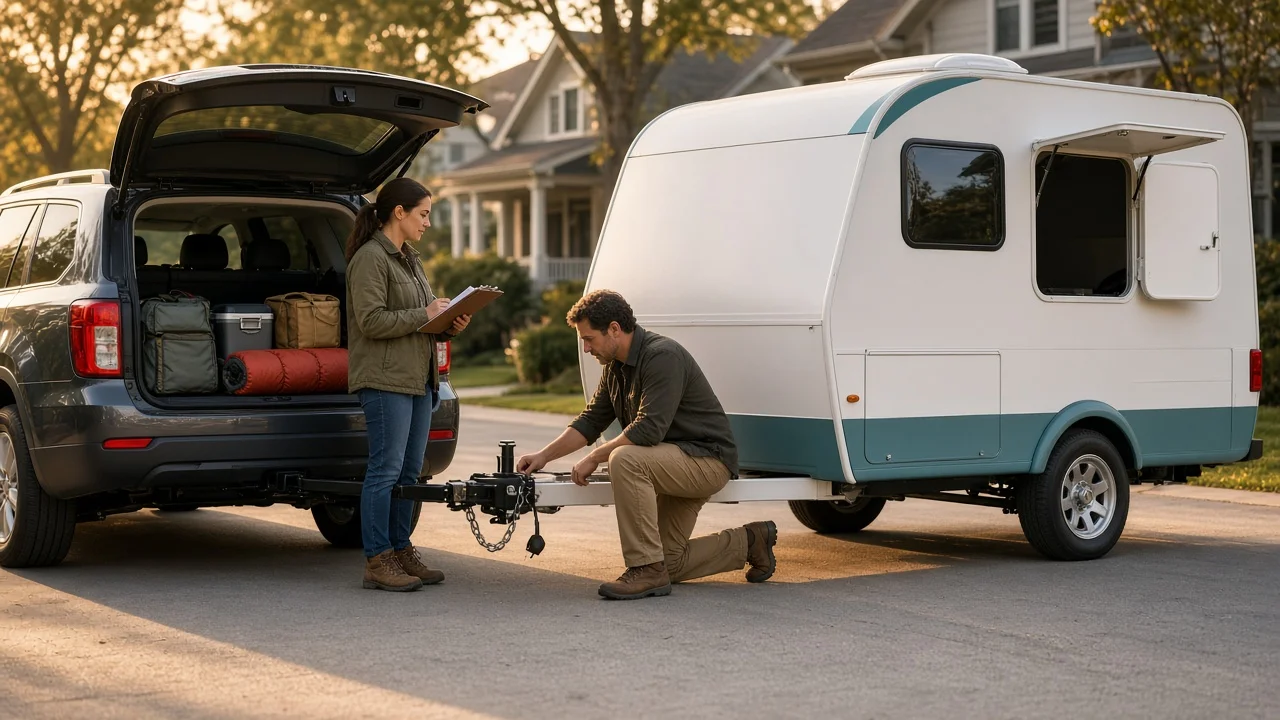
Whether a GEICO policy protects your trailer depends on three things: what kind of trailer you have, whether it is attached to a vehicle when something goes wrong, and which coverages you have selected. The policy on your tow vehicle may extend some liability protection to a trailer while it is being towed. Damage to the trailer itself, and anything that happens while it is unhitched and parked, often needs coverage written for the trailer. Confirm both points with GEICO for your state and your specific policy before you rely on either one.
No confirmed GEICO-specific details were available for this article. That includes premiums, coverage limits, deductibles, eligible trailer types and state availability. The guidance below covers how trailer coverage generally works and what to ask. It does not describe GEICO's current product terms.
Two kinds of protection
Liability coverage pays for injury or property damage you cause to other people. Physical damage coverage pays to repair or replace your own trailer. It usually comes in two parts. Collision covers impacts with another vehicle or object. Comprehensive covers events such as theft, fire, vandalism or weather. These two parts are handled differently for trailers, so ask about each one separately.
Liability while towing: auto policies often extend liability to a trailer that is attached to the insured vehicle. Ask whether yours does, and whether the trailer must be listed on the policy for that to apply. Liability while detached: ask what applies if the parked trailer rolls, blocks a road or causes damage when it is not hitched. Damage to the trailer: collision and comprehensive on your car or truck generally cover that vehicle, not a separate trailer. Ask whether the trailer can be added with its own physical damage coverage. Contents: items stored in or carried on the trailer may fall under a different policy, such as homeowners or renters insurance, or may not be covered at all. Ask which policy responds.
Trailer type changes the answer
Insurers usually sort trailers by how they are used, and the category can decide which policy applies. Be ready to describe your trailer accurately.
Trailer type | Where coverage is commonly handled | What to confirm; Utility or cargo trailer (personal use) | Often added to a personal auto policy | Whether it must be listed and whether physical damage coverage is offered; Travel trailer or camper | Often written under an RV-type policy | Contents, personal effects, use as a temporary residence, and liability at a campsite; Boat trailer | May be included with or added to a boat policy | Whether the trailer is covered on its own or only with the boat; Trailer used for business or hauling for pay | Usually requires commercial coverage | Whether personal auto coverage excludes business use
If you use the trailer for both personal and business purposes, tell the insurer at the outset. Undisclosed business use is a common reason a claim gets disputed.
What to have ready when you get a quote
Trailer type, make, model year and the VIN or serial number, if it has one; Approximate value or purchase price, plus any added equipment such as racks, ramps or upgraded axles; Where it is stored when not in use; The tow vehicle and whether it is already insured with GEICO; How often you tow and whether any use is commercial; Your state's trailer registration requirements, since these vary
Questions to ask GEICO directly
Does my current auto policy extend liability to my trailer while it is attached, and does that change when it is detached? Can I add collision and comprehensive coverage for the trailer itself, and what deductible options are available? Is the trailer valued at actual cash value (its depreciated worth) or at a stated or replacement amount? Are custom equipment or permanent attachments covered, and up to what limit? Are the trailer's contents covered under this policy or under another one? Does adding the trailer change my premium, and by how much? Are there any restrictions on trailer type, weight or use in my state?
Choosing your next step
Coverage for your own trailer matters most if the trailer is valuable, financed, or parked where theft or weather is a real risk. A financed trailer may also have to carry physical damage coverage under the loan terms. If you already insure your tow vehicle with GEICO, start by asking what your existing policy does for a towed trailer, then get a quote to add the trailer. For a travel trailer, boat trailer or any trailer used for business, ask specifically which policy type applies. Compare at least one other insurer's terms on the same points before deciding.