GEICO Travel Trailer Insurance: What to Check Before You Buy
The short answer
GEICO markets RV insurance that includes towable travel trailers, so it is a reasonable insurer to request a quote from. Whether it is the right choice depends on details this article could not verify: which coverages are available in your state, how a total loss would be valued, what deductibles are offered, and what the premium would be for your trailer. No confirmed prices, coverage limits, discounts or policy terms were available for this guide, so treat everything below as a checklist for your quote rather than a description of a specific GEICO policy.
The condition that changes the answer most is how you use and pay for the trailer. A financed trailer will usually need physical damage coverage to satisfy the lender. A trailer you live in full time typically needs different coverage than one used for occasional weekend trips. A paid-off trailer used a few times a year may need far less.
Why your auto policy may not be enough
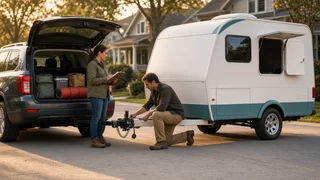
A travel trailer has no engine; it is towed by a car or truck. Many auto policies extend liability coverage to a trailer while it is attached to the insured tow vehicle, meaning damage or injury you cause to others while towing may be handled under the auto policy. That extension generally does not pay to repair or replace the trailer itself, and it may not apply once the trailer is unhitched and parked at a campsite or in storage. Check your current auto policy wording, or ask your insurer directly, before assuming the trailer is protected.
Coverages to ask about in a quote
Collision: pays for damage to the trailer from a crash, such as a jackknife or striking an object while backing. Comprehensive: pays for non-collision losses such as theft, fire, hail, falling trees, flood or vandalism. Liability while detached: protects you if someone is hurt at or around the parked trailer, sometimes called vacation or campsite liability. Personal belongings: covers items stored inside the trailer, which may or may not be covered by a homeowners or renters policy. Total loss valuation: whether a destroyed trailer is paid at actual cash value (market value after depreciation) or at a replacement cost or purchase-price basis. Emergency expenses: whether lodging or transport is reimbursed if a covered loss leaves you stranded away from home. Full-timer coverage: broader liability and contents protection intended for people who live in the trailer as their primary residence. Attached accessories: awnings, solar panels, satellite dishes and other add-ons that may need to be listed to be covered.
Not every insurer offers each of these, and availability can vary by state. Ask the agent to confirm in writing which apply to your policy rather than relying on general marketing descriptions.
What to have ready when requesting a quote
Year, make, model and length of the trailer, plus the vehicle identification number (VIN). Purchase price and date, and whether a lender holds a lien. How the trailer will be used: occasional trips, seasonal stays or full-time living. Where it will be stored when not in use. The tow vehicle and its current insurer, since bundling or coordination may affect coverage and price. A list of valuable accessories and contents you want covered.
How to compare GEICO against other options
Request quotes for the same coverages, limits and deductibles from at least two or three insurers so the comparison is fair. The premium matters, but the valuation method for a total loss and the deductible often matter more to what you actually receive after a claim. A lower price paired with actual cash value can leave a gap if the trailer is destroyed in its first few years, especially if you still owe money on it.
Also ask how claims are handled for a trailer damaged far from home: whether you can choose the repair shop, whether RV-specialized repair facilities are used, and who arranges towing of a disabled trailer. These answers vary by insurer and were not available for GEICO in the evidence behind this article.
Legal and lender requirements
Insurance requirements for travel trailers vary by state, and many states do not mandate separate coverage on a trailer the way they do for a motor vehicle. Your lender, however, usually sets its own requirements, commonly comprehensive and collision with a deductible cap and the lender named on the policy. Check your loan agreement and your state's motor vehicle agency for the rules that apply to you.
Gaps to resolve before you buy
Current GEICO premiums, deductibles and discounts for travel trailers: not confirmed; obtain through a quote. Whether total loss replacement or purchase-price coverage is offered for your trailer's age: not confirmed. Whether full-timer coverage is available in your state: not confirmed. Whether the policy is written by GEICO directly or placed with a partner insurer, which can affect claims handling: ask the agent.
Next step
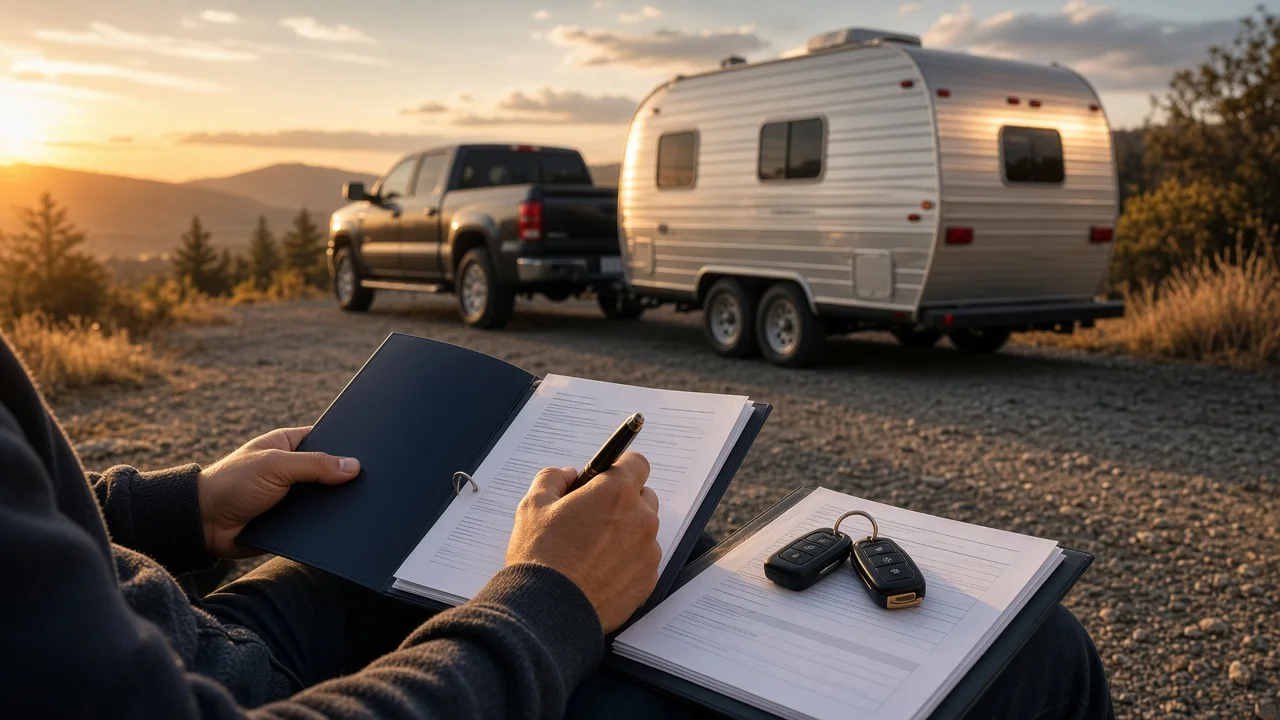
Review your auto policy to see what it already extends to a towed trailer, then request a GEICO quote along with at least one competing quote using the same coverage choices. Compare the total loss valuation, deductibles and detached liability before price, and get the final coverage list in writing before you sign.