Progressive RV Insurance: What to Check Before You Buy
Progressive sells RV insurance in the US for both motorized RVs and towable campers. Whether one of its policies suits you depends on three things: the type of RV you own, how you use it, and what your state requires. A weekend travel-trailer owner and a full-time motorhome resident need very different policies, even from the same insurer. So the useful question is not whether Progressive covers RVs, but which coverages your situation needs and whether the quote you receive includes them.
The Short Answer
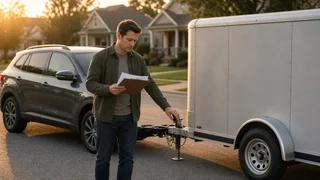
If you drive a motorhome, you need an RV policy that includes at least your state's minimum liability coverage, just as with a car. If you tow a trailer, liability usually follows the tow vehicle's auto policy while the trailer is hitched. Damage to the trailer itself, and its contents, typically requires separate coverage. Before you buy, confirm in writing which coverages, limits, deductibles and valuation method apply to your exact unit. Options and terms vary by state.
How Coverage Differs by RV Type
Insurers generally group RVs into motorized units, which have their own engine, and towables, which are pulled by another vehicle. That split changes what a policy has to do.
RV type | Typical examples | Liability while traveling | What the RV policy mainly adds; Motorized | Class A, Class B (camper van), Class C motorhomes | Required on the RV policy itself, as with a car | Liability, physical damage, injury coverages, plus RV-specific options; Towable | Travel trailers, fifth wheels, pop-up campers, toy haulers | Usually extends from the tow vehicle's auto policy while attached | Physical damage to the trailer, contents, and liability while parked or camping; Truck camper | Slide-in camper on a pickup bed | Often tied to the truck's policy | Physical damage to the camper unit and its contents
Ask how the insurer classifies your specific unit. Classification affects which coverages are offered and how the RV is rated.
Core Coverages to Look For
Bodily injury and property damage liability: pays for harm you cause to others while driving a motorhome. States set minimums, but minimum limits are often low relative to the damage a large vehicle can cause. Collision: pays for damage to your RV from hitting another vehicle or object, minus your deductible. Comprehensive: covers non-collision losses such as theft, fire, hail, flood, falling objects and animal strikes. Hail and flooding matter for an RV with a large roof area or one stored outdoors. Uninsured and underinsured motorist: protects you when the at-fault driver lacks adequate insurance. Medical payments or personal injury protection: helps with medical costs for you and passengers. Which one is available depends on your state.
RV-Specific Options Worth Asking About
Standard auto coverages don't address everything that goes wrong with a vehicle you sleep in. RV insurers, Progressive included, commonly offer add-ons. Names, availability and limits differ by state, so treat this as a list of questions for the quote, not a promise of what any policy contains.
Personal effects or contents: covers belongings inside the RV, such as electronics, cookware, bikes and clothing. Your homeowner's or renter's policy may cover some of these away from home, often with lower limits. Total loss replacement: may replace a newer RV with a comparable new model, or reimburse the purchase price, instead of paying depreciated value. Eligibility is usually limited by the RV's age or ownership history. Roadside assistance: towing large RVs is expensive and needs specialized equipment. Check whether towing limits are realistic for your unit's size. Emergency or vacation expenses: helps with lodging, meals and transportation if your RV breaks down or is damaged far from home. Full-timer coverage: liability and related protection similar to a homeowner's policy, for people who live in their RV most of the year. Attached accessories: awnings, satellite dishes, solar panels, leveling systems and other add-ons may need to be declared to be covered at full value. Campsite or vacation liability: covers injuries to others at your campsite when the RV is parked and in use as a residence.
How Your RV Will Be Valued After a Loss
Valuation often matters more than the premium, because it decides how much you receive if the RV is totaled or stolen. Ask which of these methods applies.
Actual cash value: replacement cost minus depreciation. This is common and lowers the premium, but RVs can depreciate quickly, leaving a gap if you still owe on a loan. Replacement cost or total loss replacement: pays to replace the RV with a comparable new or recent model, usually only within an eligibility window. Purchase price: reimburses what you paid, under specific conditions. Agreed or stated value: you and the insurer set a value up front. This suits older, restored or heavily customized units.
If you financed the RV, compare the payout under actual cash value with your remaining loan balance. Some owners close that gap with total loss replacement or a separate gap product.
How Your Use of the RV Changes the Policy
Recreational use: occasional trips with the RV stored between them. This is usually the simplest and least expensive arrangement. Full-time living: if the RV is your primary residence, tell the insurer. A recreational-use policy may not provide the residence-style liability and contents protection you need. Seasonal storage: some insurers let you reduce driving-related coverage while the RV is laid up and keep comprehensive for theft, fire and weather. Ask whether this is offered and how to restore full coverage before your next trip. Renting the RV to others: peer-to-peer rentals are often excluded from personal RV policies. Confirm coverage in writing, or use the rental platform's insurance. Business use: using the RV for work, such as mobile services or events, may require commercial coverage.
What You'll Need for an Accurate Quote
Year, make, model and RV class or type; Vehicle identification number; Purchase price and date, and whether there is a loan or lease; Value of major accessories and upgrades; Where the RV is stored and whether that location is secured; Expected annual use or mileage, and whether you live in it full time; Driving history of everyone who will drive or tow it; Your existing auto and home policies, if you're considering bundling
How to Compare Progressive With Other RV Insurers
Quotes are only comparable when they contain the same coverages. Before comparing prices, line up each quote on these points:
Liability limits, not just whether liability is included; Collision and comprehensive deductibles, and whether any separate deductible applies to roof, hail or water damage; Valuation method and total loss replacement eligibility; Personal effects limit and any sublimits for electronics or jewelry; Roadside assistance towing limits for your RV's size and weight; Full-timer or residence-style liability, if you live in the RV; Discounts you qualify for, such as bundling, safe driving, paying in full or RV safety courses. Availability varies, so ask instead of assuming. How claims are handled away from home, including repair shop choice. RV repairs can require specialized facilities.
Premiums depend on the unit, your location, driving record and chosen coverages. No general figure will predict your price. Get a personalized quote from Progressive and at least one or two other RV insurers or an independent agent.
Common Gaps to Avoid
Assuming your auto policy fully covers a towed trailer. It may cover liability while the trailer is hitched, but not damage to the trailer or its contents. Insuring a full-time RV on a recreational-use policy without telling the insurer. Leaving expensive upgrades and accessories off the policy. Choosing state-minimum liability for a heavy motorhome to save on premium. Dropping coverage entirely during storage, which leaves the RV unprotected against theft, fire or storm damage. Overlooking water-damage exclusions. Slow leaks and gradual deterioration are often treated as maintenance issues, not covered losses.
If You Need to File a Claim
Report the loss to the insurer promptly, and to police where theft, injury or another vehicle is involved. Photograph the damage and the scene. Keep receipts for emergency repairs, towing, lodging and meals, since some policies reimburse these costs. Before authorizing major repairs, confirm with the adjuster which shop can do the work and whether the insurer must inspect the damage first. RV repairs often involve body, chassis and living-area systems, so ask how the claim will cover each part.
Choosing Your Next Step
Start by defining your RV type, how you use it and how much you could afford to lose. With that settled, request a Progressive quote that lists every coverage, limit, deductible and the valuation method. Then request comparable quotes elsewhere. Pick the policy that covers your real use and the RV's true value at a premium you can sustain, not the cheapest line item. If anything in the quote is unclear, especially full-timer status, rentals or towable coverage, get the answer in writing before you buy.