Allstate RV Insurance: What to Check Before You Buy
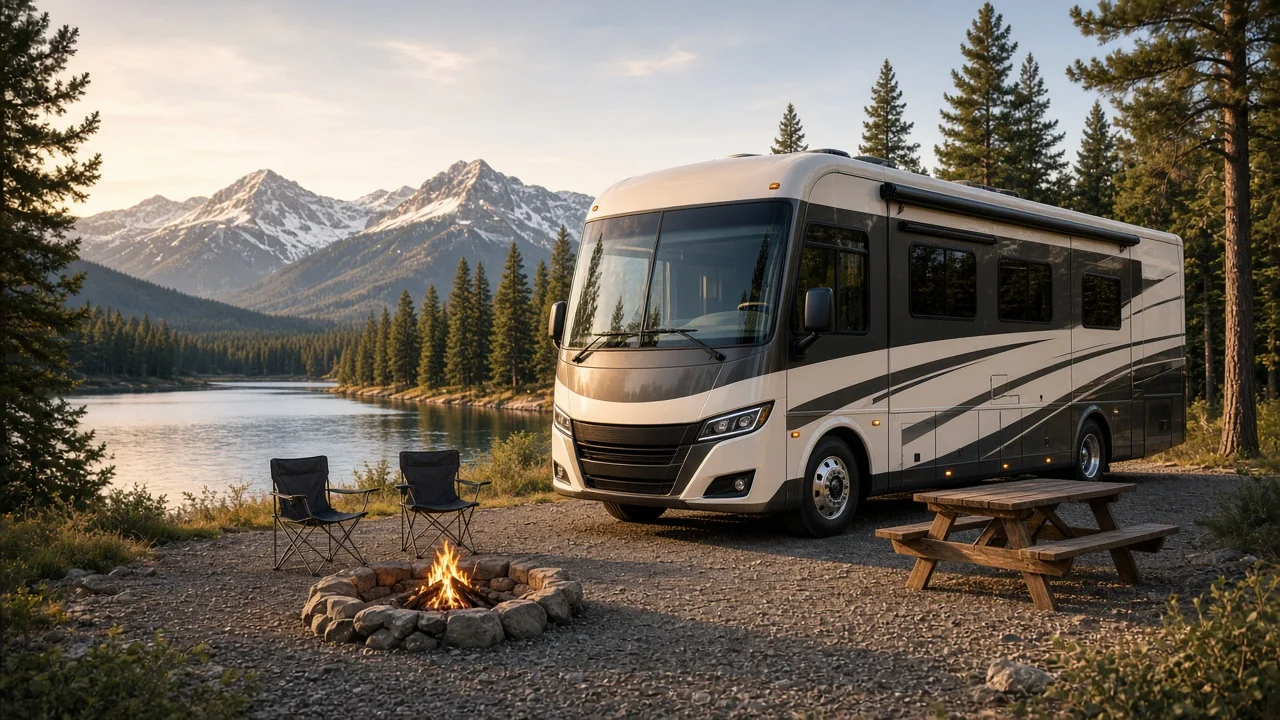
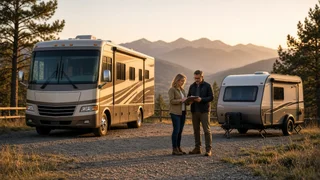
Allstate is one of the large US insurers that writes coverage for recreational vehicles, including motorized RVs (motorhomes) and towable units such as travel trailers. Whether an Allstate RV policy suits you depends mostly on three things: the type of RV you own, how you use it, and the state where it is registered. Coverage options, eligibility and pricing differ by state and by individual circumstances. The useful approach is to know which coverages your RV actually needs, then compare Allstate's quote against at least one or two alternatives on the same terms.
The Short Answer
If you want to insure an RV with a well-known national carrier, especially one where you already hold auto or home coverage, Allstate is a reasonable company to get a quote from. Before you commit, confirm three points in writing: the policy covers your specific RV class, the policy fits your usage pattern (occasional trips, extended travel or full-time living), and the limits and deductibles match what you would actually be able to pay after a loss. Two conditions change the answer most. Full-time RV living often needs coverage that a standard recreational policy may not include. Towable trailers are handled differently from motorhomes.
How RV Type Changes the Policy
Insurers generally treat motorized and towable RVs differently, and that difference shapes what you need to buy.
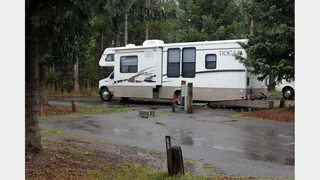
RV type | How it is usually insured | Key point to confirm; Motorhome (Class A, B or C) | Its own policy, similar in structure to auto insurance, with liability, physical damage and RV-specific options | That liability limits meet your state's requirements and your own asset protection needs; Travel trailer or fifth wheel | Liability while towing often comes from the tow vehicle's auto policy; the trailer itself needs physical damage coverage | Whether your auto policy extends liability to the trailer, and whether a separate trailer policy is needed to cover damage to the unit; Pop-up or small camping trailer | Similar to other towables, sometimes eligible for simpler coverage | Whether contents and theft are covered when the trailer is parked or stored
Core Coverages to Understand
Most RV policies are built from the same basic components found in auto insurance, plus extras that reflect how RVs are used.
Liability coverage: pays for injuries to others and damage to their property when you are at fault while driving a motorhome. States set minimum limits, but minimums are often low compared with the cost of a serious accident involving a large vehicle. Collision coverage: pays to repair or replace your RV after it hits another vehicle or object, regardless of fault, minus your deductible. Comprehensive coverage: covers non-collision damage such as theft, vandalism, fire, hail, falling objects and animal strikes. This coverage matters for RVs that spend long periods parked or in storage. Uninsured and underinsured motorist coverage: protects you if the at-fault driver has no insurance or too little insurance. Medical payments or personal injury protection: helps with medical costs for you and your passengers, depending on your state's rules.
RV-Specific Options Worth Asking About
The coverages below address risks that a standard auto policy may not handle well. Ask the agent which of them are available in your state and how each one is priced and limited. Do not assume any of them comes included.
Personal belongings or contents coverage: protects items you keep inside the RV, such as electronics, cookware and outdoor gear. Attached accessories: covers awnings, satellite dishes, solar panels, bike racks and similar equipment added to the unit. Vacation liability: protects you when the RV is parked and being used as a campsite, separate from driving liability. Full-timer coverage: provides liability and other protections closer to homeowners insurance, aimed at people who live in their RV for most or all of the year. Emergency expense coverage: helps pay for lodging and transportation if a covered breakdown or loss strands you away from home. Roadside assistance and towing: large RVs often need specialized towing, so check whether the service includes vehicles of your size and weight. Replacement cost versus actual cash value: replacement cost pays to replace a newer RV with a comparable new one, while actual cash value accounts for depreciation. This choice has a large effect on what you receive after a total loss.
Deductibles and Policy Limits
A deductible is the amount you pay out of pocket on a collision or comprehensive claim before the insurer pays the rest. Choosing a higher deductible usually lowers your premium. Only choose a deductible you could cover immediately after a loss, especially if a claim would happen in the middle of a trip.
Policy limits are the maximum amounts the insurer will pay for each type of coverage. For liability, a motorhome's size and weight increase the potential harm in a crash, so many owners choose limits well above the state minimum. For physical damage, confirm how the policy values the RV itself. Some RVs are covered at a stated or agreed value, others at actual cash value. Choose the valuation method on purpose rather than accepting the default.
Exclusions to Read Carefully
Exclusions are situations a policy will not cover, and they are where most claim disputes start. Wording varies by insurer and state, so read the actual policy documents rather than relying on a summary. Common areas to check include:
Wear and tear, mechanical breakdown and gradual deterioration, which are usually excluded from standard physical damage coverage; Mold, rot and slow water leaks, especially around roofs, seals and slide-outs; Renting your RV to others, including through peer-to-peer rental platforms, which a personal policy may exclude unless specifically endorsed; Commercial or business use; Full-time residence, if your policy is written for recreational use only; Damage to the tow vehicle or trailer during towing, and how responsibility is split between the auto and trailer policies
Factors That Affect Your Quote
Without a quote, no one can say what Allstate RV insurance will cost you, because pricing depends on individual details. The factors insurers typically weigh include the RV's type, age, value and length, your driving record and claims history, where the RV is garaged or stored, how many months per year you use it, the coverages and limits you select, and your deductibles. Bundling with an existing auto or home policy, completing safety courses, and storing the RV securely may reduce your premium. Ask which discounts apply in your situation rather than assuming any will.
How to Compare Allstate With Other RV Insurers
Request quotes using identical liability limits, deductibles and valuation methods so that you compare premiums fairly. Confirm that each quote covers your exact RV class and your real usage, including whether you travel or live in the RV full time. Ask how claims are handled for RVs, including whether you can use RV-specialized repair shops and how out-of-state claims work while you travel. Check whether liability for a towable trailer comes from your auto policy, and make sure there is no gap between the two policies. Ask about seasonal or storage options if your RV sits unused for part of the year, while keeping comprehensive coverage in place. Review the full policy wording for exclusions before you pay, not after a loss.
Next Step
Gather your RV's details first: year, make, model, class, VIN, estimated value and list of accessories. Then decide what you need: liability limits, collision and comprehensive coverage, a deductible you can afford, and any RV-specific options that match how you travel. Request a quote from Allstate through an agent or its online quote process, request quotes from at least one other insurer on the same terms, and choose based on coverage fit and exclusions as well as price.