Tarox Brakes: What to Check Before You Buy Pads, Rotors or a Brake Kit
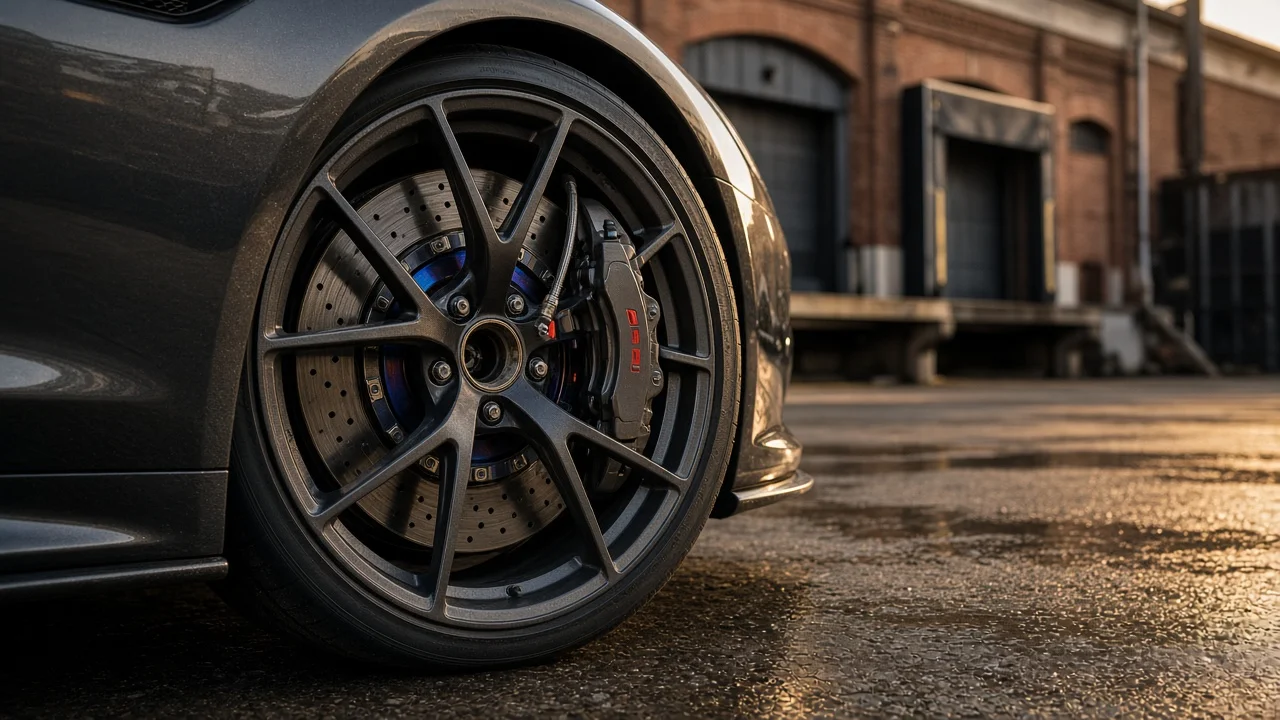
Tarox is an Italian performance brake brand. Its range covers brake rotors, brake pads and upgrade kits for road and track cars. Whether Tarox brakes are a good buy for you depends on two things. First, the exact part must be listed for your vehicle. Second, the friction material and rotor design must suit how you drive. A brand name alone tells you little about either. For US buyers, a third factor matters. Tarox is more widely distributed in Europe and the UK than in North America, so supply and support through US channels can be uneven. Before you commit, confirm fitment, sourcing, return terms and pad compliance with state rules.
The short answer
Tarox parts are worth considering if you want performance-oriented rotors or pads and can confirm an exact listing for your car. They are a poor fit if your vehicle is not specifically catalogued, or if you cannot get clear return and warranty terms from a US seller. For daily driving, choose a street-oriented pad compound. Aggressive track compounds can be noisy, dusty and weak when cold. A full upgrade kit is a bigger decision than replacement parts. It affects wheel clearance, brake balance and maintenance.
Confirm vehicle fitment first
Vehicle fitment is where most brake purchases go wrong. A single model name can cover several brake setups. Rotor size and caliper type often change with the model year, trim, engine and optional packages. Cars sold in different markets can also use different hardware, so a part listed for a European version of your car may not match the US version.
Model year, and the production date if a change happened mid-year. Trim level and powertrain, since higher-output versions often get larger brakes. Any factory brake or sport package. Front and rear rotor diameter and thickness. These are often stamped on the rotor or listed in service information. Caliper type: sliding or fixed, single-piston or multi-piston, and the caliper brand if it is a performance unit. The market the car was built for, especially if it is imported or gray-market. The shape of the current pad backing plate, compared with the pad listing.
If a seller's listing is vague, for example covering a wide range of years with no trim detail, ask for the part number. Cross-check it against your car's specifications before ordering. When your car sits on a boundary between two brake setups, measuring the existing rotor is the most reliable way to settle it.
Choosing brake pads
The friction material is the compound bonded to the pad's backing plate. It decides how the pad behaves. Performance brands, Tarox included, usually offer several compounds aimed at different uses. Match the compound to your real driving, not the driving you aspire to.
What to compare | Why it matters; Operating temperature range | Track pads are built for high heat and may grip poorly on a cold morning commute. Street pads work from cold but can fade under repeated hard stops. Initial bite | Strong bite feels sporty but can make smooth low-speed braking harder in traffic. Noise and dust | More aggressive compounds tend to squeal more and leave more dust on the wheels. Rotor wear | High-friction compounds usually wear rotors faster, which raises running costs. Intended use | Look for clear labeling as street, fast road, or track-only, and believe it.
Two pads labeled for the same car can behave very differently. Treat the compound description as part of the fitment decision. Also check whether the pads come with shims, clips or wear sensors, or whether you need to reuse or buy those separately.
Choosing brake rotors
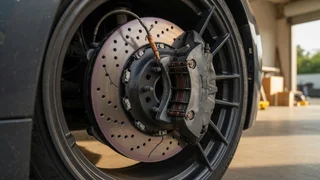
Tarox is especially known for performance rotors, including grooved designs. Grooves or slots in the rotor face help clear gas, dust and debris from between pad and rotor. They can also keep the pad surface fresh. The trade-offs include more noise, faster pad wear and, with some designs, a directional fitting requirement.
Plain rotors: quietest, gentlest on pads, and fine for most daily driving. Grooved or slotted rotors: meant to improve pad bite and consistency under hard use, at some cost in noise and pad life. Drilled rotors: shed weight and help in wet conditions, but some drilled designs can crack under sustained track heat. Directional rotors: must go on the correct side of the car. Check the left/right markings before you install them. Two-piece or floating rotors: usually found in upgrade kits. They save weight and handle heat expansion well, but cost more.
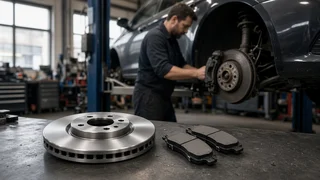
Replace or resurface rotors when you change pads if the old rotors are scored, warped, or close to their wear limit. Pairing new pads with worn rotors often causes vibration, noise and poor bedding.
Wear limits and inspection
Every rotor has a minimum thickness, usually stamped on the hat or edge. Below that point it must be replaced. Pads also have a minimum friction-material thickness, beyond which braking and heat control suffer. Check both at each pad change. Check more often if you use aggressive compounds or drive on track, because both speed up wear.
Measure rotor thickness at several points with a micrometer, not a ruler. Look for heat cracks, especially around drill holes or grooves. Check for uneven pad wear. It can point to a sticking caliper slider or piston. Note a raised lip at the rotor's outer edge. It is a quick visual sign of significant wear.
Brake fluid and the hydraulic side
Brake fluid passes pedal force to the caliper. It also absorbs moisture over time, which lowers its boiling point. If you are upgrading pads or rotors for harder driving, old fluid can undo the benefit. Boiling fluid causes a soft, sinking pedal no matter how good the friction parts are.
Use the fluid specification your vehicle requires, such as DOT 3, DOT 4 or DOT 5.1, and do not mix in silicone-based DOT 5 unless the system is designed for it. Consider a fresh flush when you install performance parts, particularly before track use. Inspect hoses for cracks or swelling. Braided lines are a common companion upgrade, but they must be correctly specified for your car. Check that caliper pistons move freely and slide pins are clean and lubricated.
Upgrade kits: the bigger decision
A big brake kit replaces the stock calipers, rotors and sometimes hoses with larger parts. It can raise heat capacity and improve consistency under repeated hard stops. It also adds checks that simple replacement parts do not need.
Wheel clearance: larger calipers and rotors may not fit inside your current wheels. Ask for a fitment template or clearance specification and compare it with your wheels. Brake balance: upgrading only the front axle shifts the front-to-rear split. This interacts with ABS and stability control. Pad availability: confirm you can buy replacement pads for the kit's calipers in the US without long lead times. Completeness: check whether brackets, hoses, hardware and instructions are included. Running costs: larger performance rotors and pads usually cost more to replace.
Larger brakes do not shorten emergency stopping distances on their own. Tire grip usually sets that limit. The main gains are fade resistance and consistency under sustained hard use.
Buying in the US
Because Tarox's main distribution has historically centered on Europe, US buyers may end up ordering from importers, specialist performance retailers or overseas sellers. Each route has trade-offs.
Ask the seller whether they are an authorized dealer. Unofficial sources raise the risk of counterfeit or mislabeled parts. Confirm return terms before ordering, especially if the part ships internationally, where returns can be costly. Check who handles warranty claims, and whether that is possible from the US. Allow for shipping time and possible import costs on overseas orders. For pads, check copper-content labeling. California and Washington restrict copper in brake friction material, and the strictest limit took effect in 2025. Packaging typically shows compliance with a leaf-style mark.
Installation and bedding-in
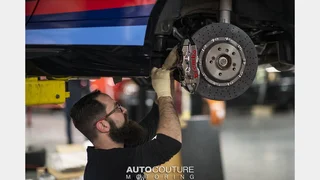
Brake work is safety-critical. If you lack the tools, a torque wrench, or experience bleeding a hydraulic system, have a qualified shop install the parts. Whoever does the job, follow the bedding-in procedure supplied with the pads or rotors. Bedding lays an even layer of friction material onto the rotor and is key to smooth, quiet, consistent braking. Procedures vary by compound, so use the one provided rather than a generic routine.
Clean protective coatings off new rotors if the instructions call for it. Torque caliper bolts and wheel lug nuts to the vehicle specification. Confirm a firm pedal before driving, and bleed the system if it was opened. Avoid prolonged hard stops and holding the brakes at a standstill until bedding is complete.
A practical next step
Start by gathering your vehicle's year, trim, powertrain, brake package and measured rotor sizes. Use that to find Tarox part numbers listed for your exact car. Then pick a pad compound that matches your actual driving and choose a rotor design whose noise and wear trade-offs you accept. Finally, confirm a US seller who can show authorized sourcing, clear returns and compliant pad labeling. If any of these points stay unclear, a well-documented alternative may serve you better than forcing a fit.