Subaru Tire Pressure Light in Cold Weather
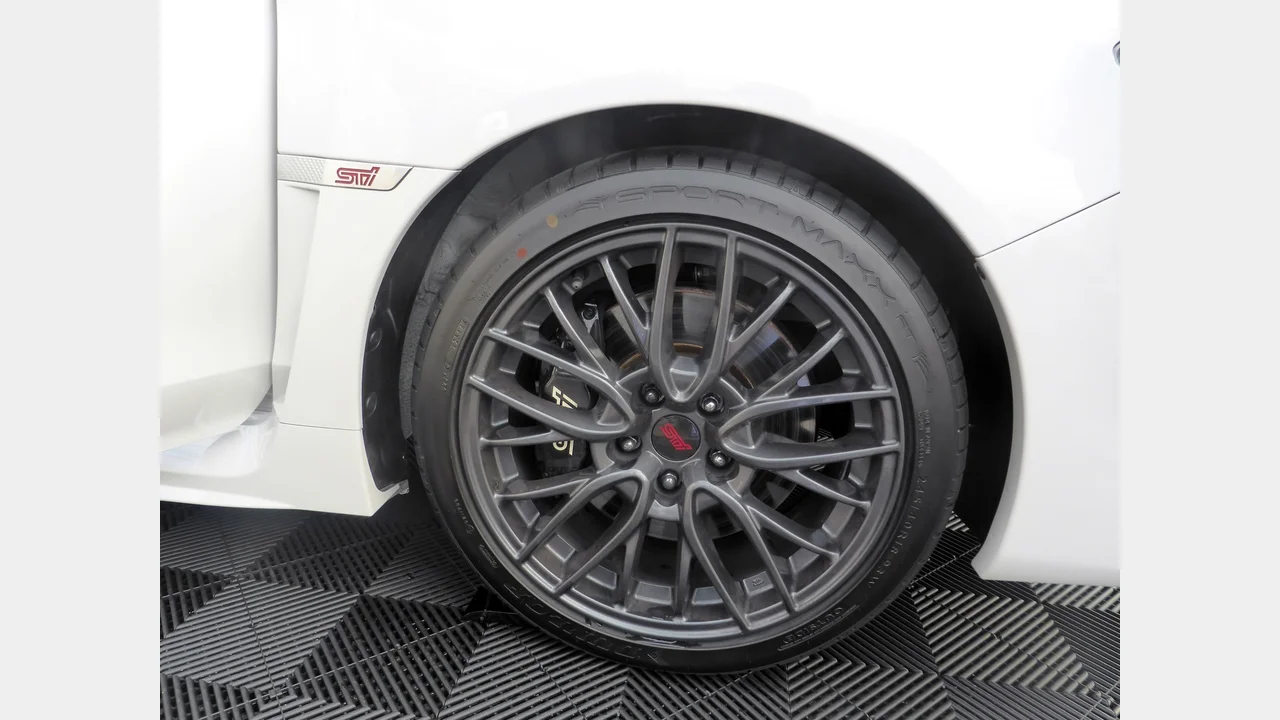
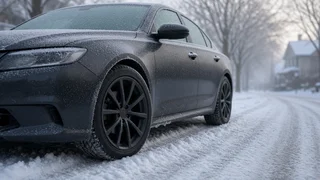
A Subaru tire pressure light that appears during a cold snap usually signals a normal physical response rather than a sudden leak. Cold air contracts, lowering inflation pressure inside each tire and triggering the direct TPMS sensors once readings fall below the calibrated threshold. Drivers often notice this on the first sharply colder morning after milder weather. The warning is a prompt to inspect and adjust pressures, not automatically a puncture diagnosis. Understanding how temperature, tire size, load index, speed rating, tread depth, inflation pressure, vehicle placard values, and drivetrain compatibility interact helps owners respond correctly without overreacting.
Essential answer
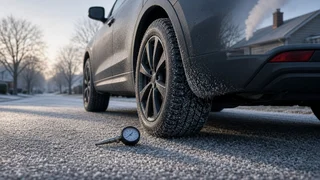
The essential answer is that a Subaru low tire pressure light in cold weather is typically caused by falling ambient temperature reducing the air density and pressure inside the tires. For roughly every 10°F drop in outside temperature, a tire can lose about 1 psi. When one or more tires drop below the pressure specified on the vehicle placard, the direct monitoring sensors transmit a low-pressure signal to the instrument cluster. The light may illuminate on a cold morning even if the tires were set correctly during warmer conditions days earlier.
Because the warning reflects measured sensor values, it should not be dismissed purely as a seasonal nuisance. The correct response is to check all four tires with a reliable gauge, compare the readings with the inflation pressure listed on the driver’s door placard, and add air as needed. If the light remains illuminated after pressures are corrected and the vehicle is driven briefly, the cause may involve a slow leak, an aged TPMS sensor, or a sensor relearn issue. Confirming the simple thermal explanation first is the most practical diagnostic step before assuming a component failure.