Tire Pressure Light On in Cold Weather: Why It Comes On and What to Do
A tire pressure light that appears during a cold snap is usually a direct response to falling temperatures rather than evidence of a puncture. Cold air contracts, reducing pressure inside each tire and triggering the low tire pressure warning. This common cold weather tire pressure light event often leaves drivers wondering whether they should add air or simply keep driving. Understanding why the tire pressure light comes on in cold weather helps you distinguish a normal seasonal change from a genuine leak. The correct response is usually a pressure check and small adjustment, not immediate alarm.
Essential answer
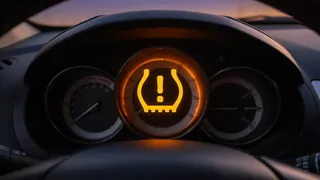
Yes, cold weather can make your tire pressure light come on, and the low tire pressure warning is often first seen on the first genuinely chilly morning of autumn or winter. The tire pressure light cold weather relationship is explained by basic physics. When ambient temperature drops significantly, the air inside the tires becomes denser and occupies less volume. This reduction in inflation pressure is frequently enough to cross the threshold that activates the tire pressure monitoring system, even if no air has escaped from the tire or wheel assembly.
The tire pressure light on in cold weather does not necessarily mean the tires are unsafe, but it does mean inflation has fallen below the vehicle’s programmed alert point. In many cases, the tire pressure light comes on in cold weather while the tires still look visually normal. That is because a radial tire can lose several psi from temperature change alone before sidewall bulge becomes obvious. Treat the light as a request to measure pressure, not as a confirmed flat. The low tire pressure indicator cold weather signal is often a seasonal reminder that pressure must be actively managed.
How it works
A tire pressure monitoring system works by comparing each tire’s measured inflation against a reference threshold. Direct systems use a sensor inside each wheel to transmit pressure data to the vehicle computer. Indirect systems instead compare wheel speed signals to infer differences in rolling radius. Either method can produce a tire pressure warning in cold weather when all four tires lose pressure roughly equally, because the system is watching for a drop below a calibrated minimum rather than only detecting one low tire.
Temperature affects tire pressure predictably. For many passenger vehicles, inflation can change by roughly one psi for every ten degrees Fahrenheit of ambient temperature shift, although the exact figure varies with tire size and construction. A vehicle parked outside during a sharp overnight freeze may show a low tire pressure warning cold weather symptom simply because the air inside the tire cooled. Driving warms the tires and raises pressure again, which is why the warning indicator in the instrument cluster may turn off after several miles but reappear after the next cold soak.
Strengths, limitations and suitability
The main strength of this warning system is early notice. A low tire pressure symbol cold weather gives the driver a chance to correct inflation before uneven wear, reduced wet-weather grip, or increased rolling resistance becomes apparent. This is particularly useful in winter because cold pavement and snow demand the best possible braking and cornering behavior. A slightly underinflated tire runs hotter at highway speed and may also consume more fuel, making the warning light a useful efficiency and safety prompt rather than an annoyance.
The limitation is that the warning does not diagnose the cause. Cold weather and tire pressure light events are usually benign and reversible, but a nail, leaking valve stem, or corroded wheel bead can produce the same display message. For that reason, drivers who keep adding air every few days should not assume the season is fully responsible. If the tire pressure light keeps coming on cold weather after inflation is corrected, the operating status message may be pointing to a slow leak that temperature change merely exposes.
Procedure
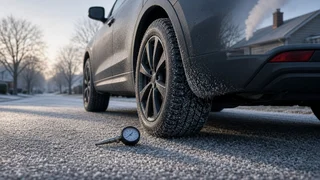
Begin by consulting the owner manual for the vehicle’s recommended cold inflation pressure. This figure is often listed on a placard in the driver’s door jamb rather than on the tire sidewall. Measure each tire with a reliable gauge when the car has been parked for a few hours, preferably before driving. Compare all four tires and add air to reach the specified pressure. The spare tire may also have a sensor on some vehicles, so check it if the warning remains active after correcting the road tires.
After filling the tires, drive the car briefly so the system can relearn current pressures. On many vehicles, the tire pressure warning light cold weather response resets automatically once pressures rise above the threshold. If the low tire pressure warning light in cold weather remains illuminated after a few minutes of driving, recheck the pressures. A warning that stays on despite correct inflation may indicate a sensor battery, receiver, or initialization issue that requires professional diagnosis rather than repeated inflation attempts.
Diagnosing a problem
A tire pressure light on but tires are fine cold weather is a common report, and the first check is a direct pressure reading. If one tire is significantly lower than the others, suspect a puncture or a valve core leak. If all four tires are low by a similar amount, an ambient temperature fall is the more likely explanation. Inflate to specification and note which tire, if any, loses pressure again. A tire pressure sensor comes on in cold weather as a symptom, but it is the pattern of pressure loss that points toward the cause.
A tire pressure light during cold weather may reappear after a correction because the tire was filled while still warm from driving. Warm air elevates the gauge reading, so the tire can be underinflated again once it cools. For accurate results, fill tires only when cold and recheck after the vehicle sits overnight. If the low tire pressure warning light cold weather returns the next morning with no visible damage, a slow seep at the bead or valve area is possible. At that point, a leak inspection with soapy water or a professional diagnostic check is the appropriate next step.