One Tire Keeps Losing Pressure in Cold Weather: Cold or a Leak?
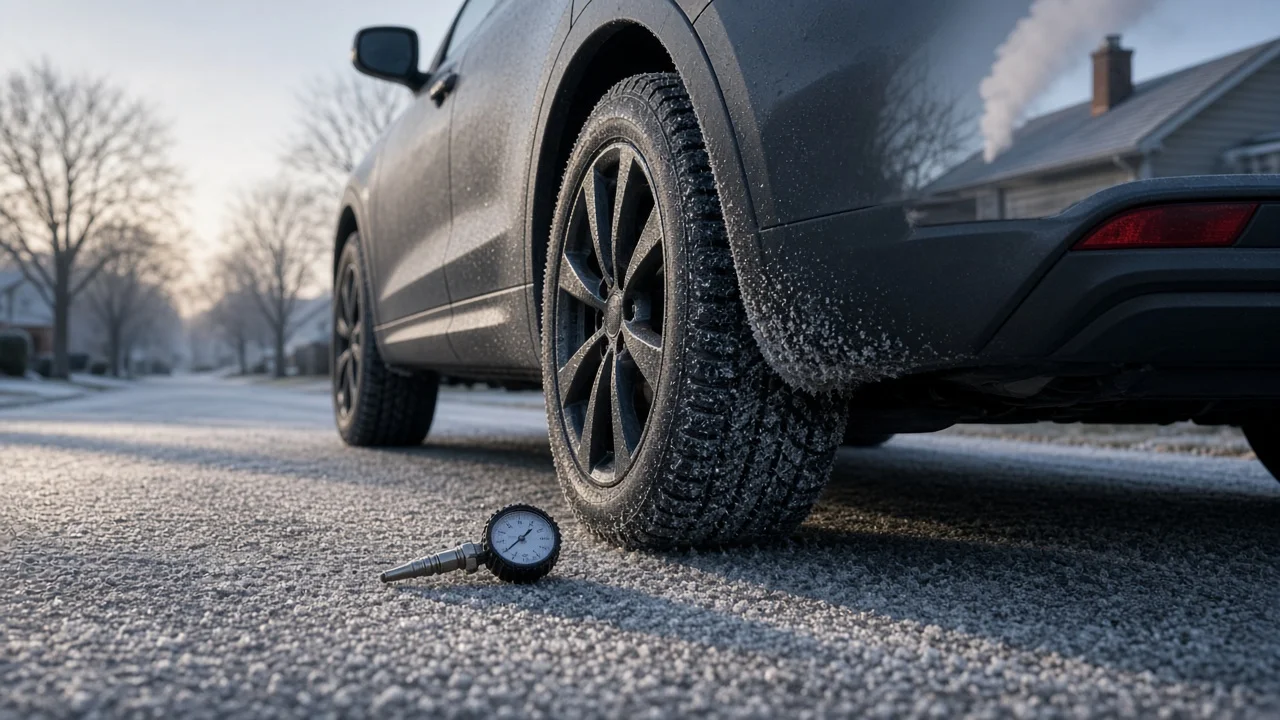
A single tire that needs air whenever temperatures fall can be puzzling. The drop may look seasonal, yet cold weather alone does not usually single out one wheel. Because tire pressure changes predictably with temperature, drivers often wonder whether the reading is normal physics or evidence of a slow puncture. Distinguishing those possibilities starts with careful observation. Comparing how quickly the tire loses pressure, how it behaves after refilling, and whether the loss continues in warmer conditions helps narrow the cause.
Direct answer
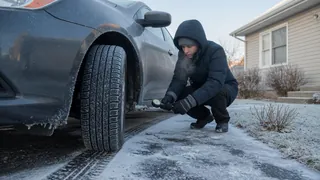
When one tire keeps losing pressure in cold weather, temperature is rarely the sole explanation for a persistent drop. All tires lose roughly a small amount of pressure as the air inside them cools and contracts, but that effect should appear at all four corners. A drop isolated to one tire more often points to a slow air leak at the tread, sidewall, valve stem, or the bead where the tire meets the wheel. The cold can also make an existing leak more noticeable because lower temperatures reduce the starting pressure enough to trigger a warning light.
A practical way to judge whether cold is responsible is to refill the tire to the recommended pressure and monitor it over several days. If the pressure drops only with falling temperatures and returns in line with the other tires after driving warms the air, the behavior may reflect normal thermal contraction. If the single tire continues to lose air while the others remain stable, or if it needs air again within a short period regardless of weather, the evidence points to a physical leak that should be inspected before it becomes a roadside failure.