Driving an Electric Car in Winter: Complete Cold-Weather Guide
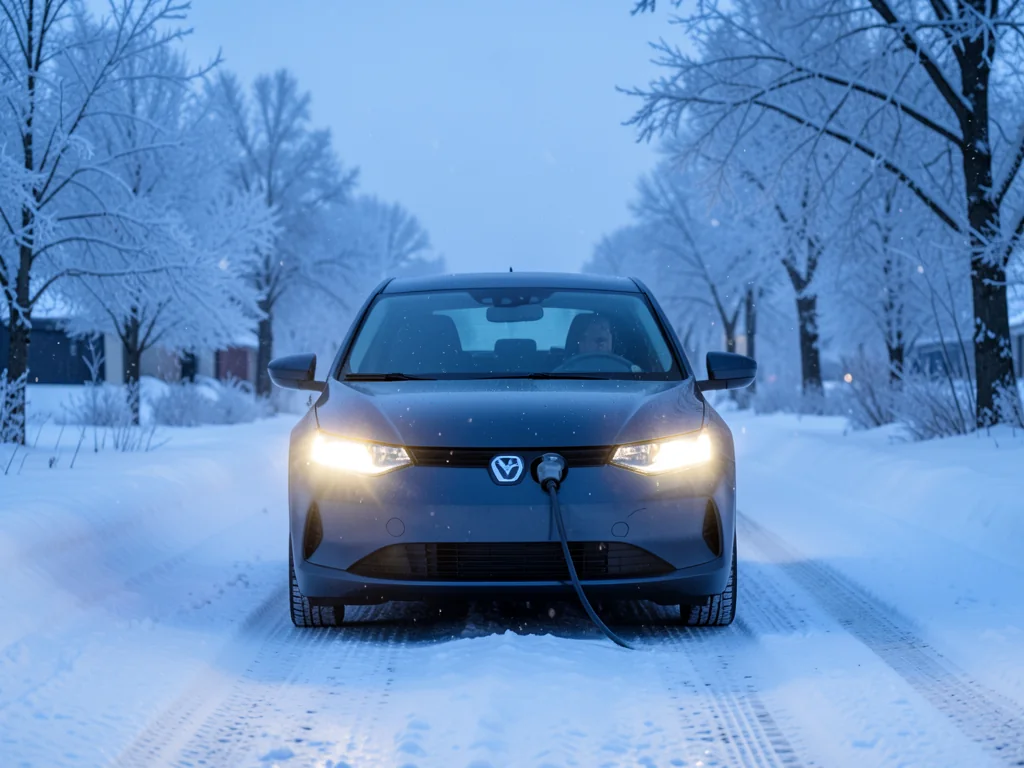
Driving an electric car in winter brings unique considerations that gasoline drivers rarely face. Cold temperatures reduce battery performance, while cabin heating and battery warming draw energy that would otherwise move the car. Snow and ice also challenge traction and charging habits. This guide explains how EVs behave in cold weather, what winter tests reveal, how to precondition efficiently, what to look for when choosing a vehicle, model-specific notes, and everyday tips for safe, confident winter driving.
What Changes When an Electric Car Faces Winter Cold
Cold weather slows the chemical reactions inside a lithium-ion battery, reducing available power and temporarily lowering the amount of energy that can be drawn from the pack. At the same time, heating the cabin and warming the battery consume electricity that is no longer available for driving. On short trips, that heating energy is spent repeatedly without much distance covered, making the car feel less efficient than during a longer drive where the initial warm-up is spread over many miles.
Many owners report winter advantages, however. An electric motor needs no warm-up idle, and cabin heat can be produced quickly by resistive elements or a heat pump rather than waiting for an engine to reach operating temperature. Normal cold-weather behavior includes modest range reduction and slower charging until the battery warms. But sudden large drops in range, warning lights, or failure to charge at normal speeds after preconditioning may indicate a fault that a dealer or qualified technician should inspect. For deeper coverage, see the dedicated articles on range, charging, and tires.
Cold-Weather Performance and Traction on Snow and Ice
Electric motors deliver maximum torque almost instantly, which can overwhelm available grip on ice or packed snow if the driver applies throttle too aggressively. However, most EVs use precise traction control that can reduce wheel slip faster than many internal-combustion systems. The battery pack is usually mounted low under the floor, lowering the center of gravity and reducing body roll, which can improve stability but does not automatically create more traction.
Regenerative braking may be limited when the battery is cold because the pack cannot accept high charge rates until it warms. This can make lift-off deceleration feel weaker than usual, so drivers should not rely on strong regen to slow the car on slippery downhills. Front-wheel, rear-wheel, and all-wheel drive each behave differently in snow; all-wheel drive improves acceleration but not braking or turning grip. Winter tires make the largest difference, so consult the dedicated tire article. Adjustable drive or regen modes vary by model—check the owner's manual.
What Winter Tests Reveal About EV Behavior in the Cold
Independent winter tests and owner-run experiments typically measure energy consumption per mile at low temperatures, cabin heating draw, battery preconditioning effectiveness, and charging speed after cold soaking. These tests often run a fixed route at steady speed while logging state of charge and interior temperature. Results vary widely because temperature, wind, road surface, tire choice, starting state of charge, and heater settings all influence the outcome significantly.
A single test result should not be applied directly to your own climate or driving pattern. A test conducted at 10°F with a preheated battery and low cabin heat will show much better range than a cold start at 0°F with maximum defrost. Owners can track their own winter consumption using the car's trip or energy display: note the miles per kWh or watt-hours per mile over several similar cold trips, then compare to summer readings. This personal baseline is far more useful than any magazine figure.
Preconditioning and Winter Charging Habits
Cabin preconditioning warms the interior to a set temperature while the car is still plugged in, drawing power from the grid instead of the battery. Battery preconditioning uses a heater or heat pump to bring the pack to an efficient operating temperature before driving. Doing both while connected to a charger means you start with a full battery and a warm cabin, saving stored energy for driving. Many EVs allow preconditioning to be scheduled from a smartphone app or in-car timer.
A cold battery accepts charge more slowly because lithium ions move sluggishly through the cell. Some vehicles can preheat the battery before arriving at a fast-charge station, either automatically when a charger is set as a navigation destination or manually through a menu. Owners should confirm these features in their manual or app, as availability varies. Keep the charge port and flap free of ice and snow; never force a frozen flap. For detailed charging strategy, read the dedicated winter charging article.
What to Look for in an EV or Hybrid for Winter Driving
When shopping for an EV or hybrid for winter driving, consider the drivetrain layout, availability of a heat pump, battery preconditioning, ground clearance, and heated seats or steering wheel. A heat pump can warm the cabin using less energy than resistive heating, though its benefit shrinks at very low temperatures. Battery preconditioning improves both driving efficiency and cold-weather charging speed. All-wheel drive helps on snow, but winter tires matter more.
Hybrids and hybrid SUVs behave differently because the gasoline engine provides cabin heat, often running more frequently in cold weather to maintain coolant temperature. This means hybrid range loss in winter is usually less dramatic than in a battery-electric vehicle, but fuel economy still drops. Check the exact trim specifications for winter-related features, since heat pumps, heated seats, and battery heaters often differ by trim level and model year. A cold-weather test drive and feedback from owners in similar climates are valuable.
Winter Driving Notes for Popular EV and Hybrid Models
The Tesla Model 3 offers scheduled departure and preconditioning through its app, and many versions have a heat pump. Owners should verify whether their model year includes that feature and use Scheduled Departure to warm the cabin and battery while plugged in. The Chevy Bolt has a battery heater and can precondition remotely, but its range drops noticeably in deep cold; plan charging stops accordingly. The BMW i3 uses a heat pump on some versions and has a small battery, so winter range loss can feel significant—precondition while plugged in whenever possible.
The Hyundai Ioniq 5 includes battery preconditioning tied to navigation on many models, but feature availability depends on software version and regional specification; check the owner's manual. The Toyota Prius c is a conventional hybrid, not a plug-in, so its winter behavior follows hybrid principles: the gasoline engine runs more often in cold weather to supply heat, and the battery assists less until warm. For any listed model, if warning messages, reduced power notices, or heating problems appear, consult a dealer or qualified EV technician.
Everyday Tips for Driving Electric Cars Through Winter
On snow and ice, use gentle acceleration to avoid wheelspin from instant torque, begin braking earlier than normal, and leave a larger following distance. If the car allows adjusting regenerative braking, setting it to a lower level can reduce abrupt lift-off deceleration on slippery roads. These habits help maintain traction and give you more time to react.
Heated seats and a heated steering wheel keep you warm using far less energy than heating the entire cabin, extending range in cold weather. Keep a practical winter kit with a scraper, brush, gloves, and a small shovel. Clear snow from cameras, sensors, and lights so driver-assistance systems work correctly. Check tire pressure more often because cold temperatures lower it. On long trips, plan charging stops ahead and keep a comfortable buffer of charge. Never attempt high-voltage repairs yourself; seek professional help for battery or charging faults.