Bike Tire Pressure in Cold Weather
A drop in temperature changes the air inside a bicycle tire enough to leave it soft, sluggish, and more vulnerable to pinch flats. Riders who set pressure in a warm garage often discover the problem after rolling into cold morning air, when the casing feels less supportive and the contact patch grows noticeably larger. Understanding how ambient cold affects inflation pressure helps you make better pre-ride adjustments. This overview explains the direct relationship between falling temperatures and tire pressure, why moisture and gauge conditions matter, and how to approach pressure selection for cooler rides without chasing an imaginary universal number.
Essential answer
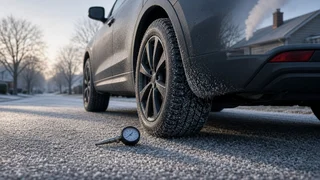
Cold weather does not remove air from a bicycle tire, but it does lower the pressure a gauge reads. As the air inside the tube cools, its molecules move less energetically and push outward with less force against the casing and rim. A tire inflated indoors can therefore measure several psi lower after it sits outside or in an unheated garage. The effect is most noticeable when the temperature swing is large, such as moving from a heated apartment into freezing conditions, and it typically calls for adding a small amount of air rather than suspecting a puncture immediately.
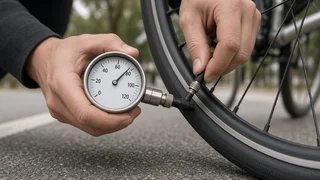
The practical answer is that you should check and adjust inflation pressure at the temperature where you will actually ride. Inflating by feel alone is unreliable in cold conditions because numb hands and a stiffer tire casing can mask how soft the tire has become. Using a pump with a reliable gauge lets you compare the cold-setting reading with your usual pressure. The exact amount to add depends on rider weight, tire volume, road or trail surface, and load, so the goal is to restore the pressure that gives predictable cornering, adequate flat protection, and comfortable rolling resistance for the conditions.