Does Nitrogen Prevent Low Tire Pressure in Cold Weather?
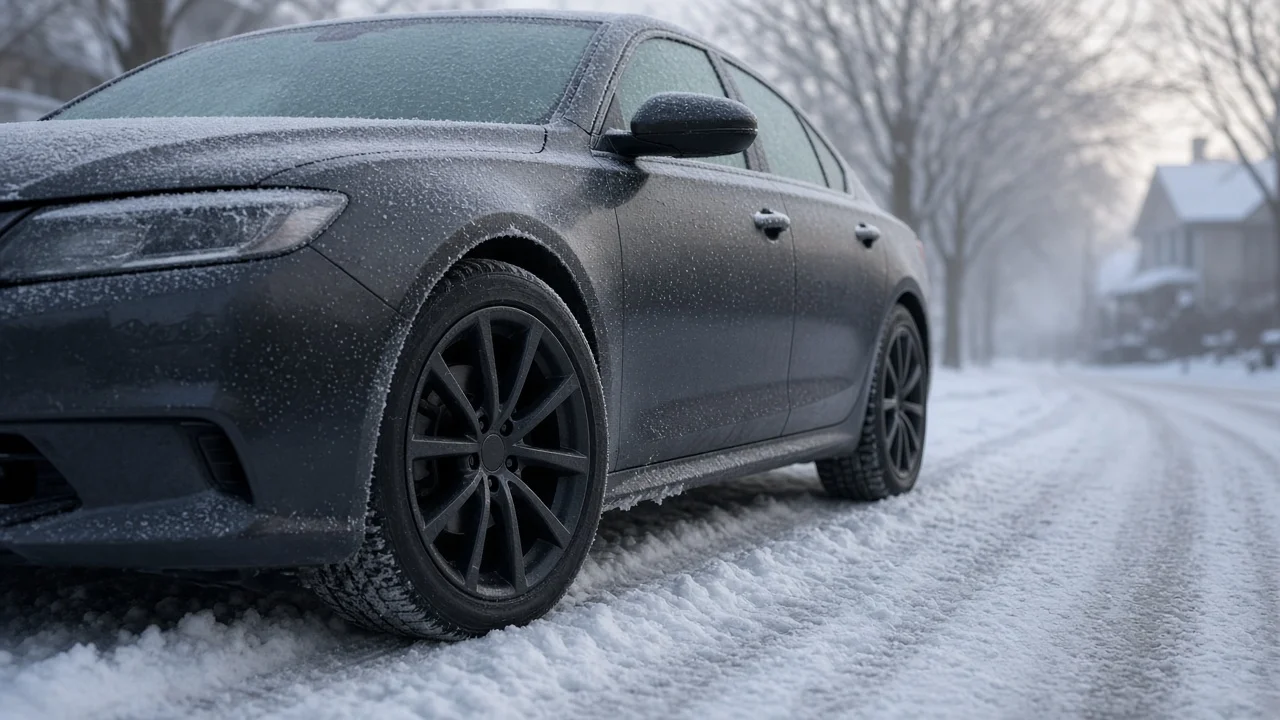
Cold weather exposes how much tire pressure depends on temperature, and many drivers wonder whether filling with nitrogen changes that relationship. A tire filled with air loses pressure as ambient temperature falls because the gas becomes denser and occupies less volume inside the fixed tire cavity. Nitrogen-filled tires respond to temperature changes through the same physical principle, but nitrogen's lower moisture content and slower permeation through rubber can reduce the rate and severity of ordinary pressure loss. The practical benefit depends on how the tire is inflated, maintained, and driven.
Essential answer
Nitrogen does not stop pressure from falling when outside temperatures drop. Any gas in a closed tire cavity follows the same basic pressure-temperature relationship, so a cold snap will still reduce inflation pressure whether the tire contains air or nitrogen. The advantage of nitrogen is more subtle: it is dry, and because nitrogen molecules are larger and less chemically reactive than oxygen, the gas escapes through the tire structure and wheel seal more slowly under normal conditions.
Using nitrogen can therefore make the gradual background loss lower and more predictable between seasonal checks, but it will not eliminate the immediate pressure drop caused by a freezing morning. A tire that was properly set at a warm ambient temperature may still read several psi lower after the vehicle sits outside overnight. For everyday driving, the most useful practice is to check and adjust pressure according to the vehicle placard during stable cold conditions rather than relying on fill gas alone.