Nitrogen (Green) Tire Valve Caps

Green valve stem caps are a simple, color-coded way to identify tires filled with nitrogen instead of ordinary compressed air. The caps themselves do not change how a tire performs; they mark a service choice and help prevent someone from accidentally topping off with standard shop air. Understanding what these caps signal, how they relate to inflation pressure, and where they fit with tire size, load index, speed rating, and the vehicle placard can help owners make a clearer maintenance decision without overstating what the hardware does.
Essential answer
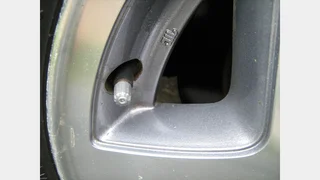
Nitrogen tire valve stem caps are typically green plastic or metal caps installed on Schrader valves to indicate that a tire contains nitrogen-enriched air. The cap is primarily a visible label rather than a functional upgrade, though it still serves the basic job of keeping dirt, moisture, and debris away from the valve core. Because nitrogen fills are not visually obvious, the green color gives tire technicians and owners a quick reference during pressure checks or service visits.
The green cap does not seal nitrogen inside the tire any differently than a standard cap, and it does not itself affect inflation pressure, tread depth, drivetrain compatibility, or load capacity. Its value comes from identification. If a tire with a green cap is topped off with regular air, the nitrogen concentration simply decreases, which is generally acceptable but reduces the consistency benefits some drivers seek from nitrogen fills. The cap should be understood as a service marker, not as proof of a mechanical advantage.
A common misconception is that the cap must match the gas inside the tire for safety. In practice, air and nitrogen can mix without creating a hazard. What matters more is that inflation pressure remains correct for the tire size and the vehicle placard recommendation. Green caps are most useful in fleets or dealership settings where multiple vehicles receive nitrogen service and a technician needs an immediate visual cue rather than assuming every tire has the same fill.
For owners researching these caps, the main takeaway is that they are inexpensive identification parts, not performance components. Checking the valve cap condition is still worthwhile because a missing or cracked cap can allow grit to reach the valve core and cause a slow leak. Matching the cap color to the actual fill is helpful for consistency, but maintaining proper pressure and monitoring tread wear will have a far larger effect on tire life and vehicle handling than the cap material or color.
When replacing a green cap, choose one with a snug thread fit and a durable seal, but avoid overtightening. The cap should thread on by hand and seat firmly without tools. This protects the valve stem and prevents difficulty during future inflation checks. Since tire valve stem caps are universal on most passenger vehicles, a green replacement cap can be used as long as the Schrader valve is standard, but owners should confirm the cap fits without bottoming out or interfering with the wheel surface.
The green cap is not a substitute for knowing tire specifications. Inflation pressure targets, load index, speed rating, and recommended tire size are all listed on the vehicle placard and should guide service decisions. A green cap may remind an owner that nitrogen was installed, but the real service requirement is regular pressure measurement and adjustment according to the automaker’s figures. In that sense, the cap supports good record-keeping more than it changes tire engineering.