Repair an aluminium bull bar
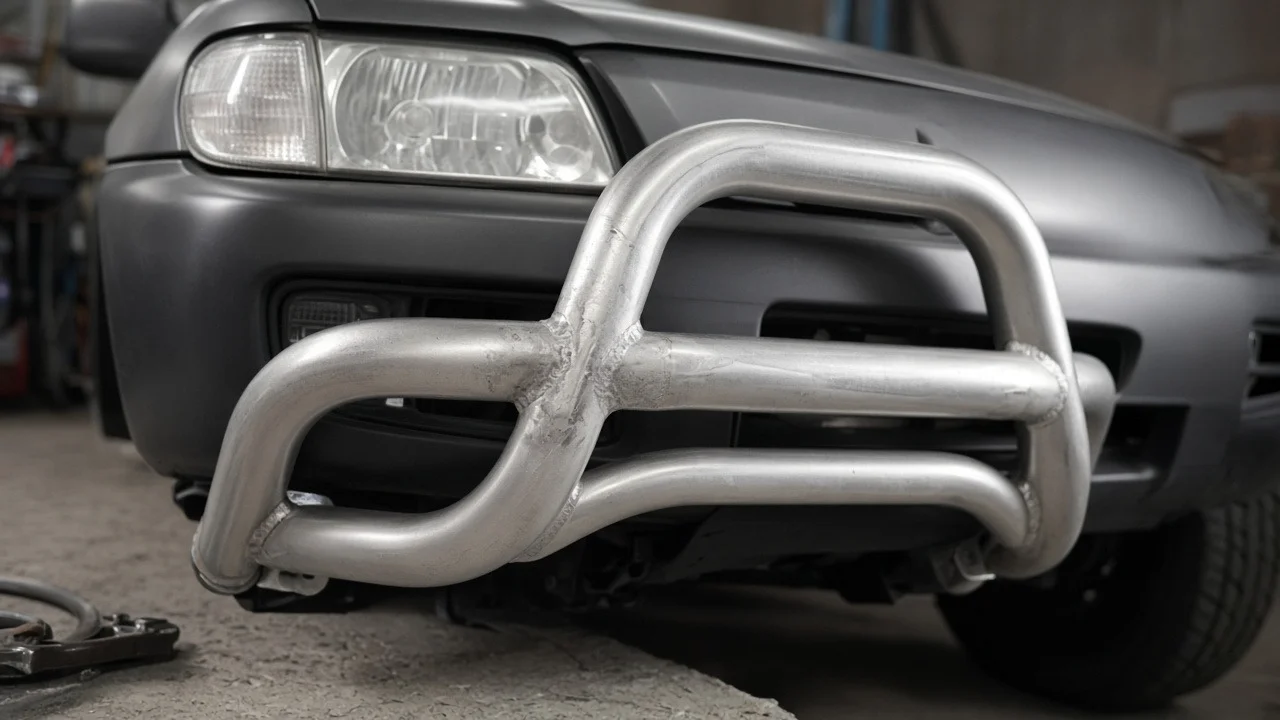
Repairing an aluminium bull bar often involves more than erasing a scratch. Corrosion, impact deflection, and cracked welds can change how the bar handles load and protects the front end. Because aluminium is lighter than steel but more sensitive to work hardening and galvanic reaction, the repair path has to account for the substrate material, surface preparation, and how the assembly attaches to the chassis. A careful owner can correct minor cosmetic damage, but structural distortion around attachment points usually means the bar should be evaluated before it is returned to service.
Essential answer
Aluminium bull bar repairs fall into two broad groups: restoring the surface finish and correcting structural or mounting damage. Light scuffs, oxidation, and small dents in open panel areas can often be improved with careful metal finishing and compatible coatings. The goal is to smooth the damaged zone without thinning the surrounding metal, then seal it so moisture does not sit against fresh aluminium and start corrosion.
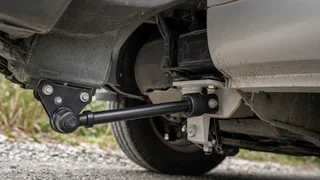
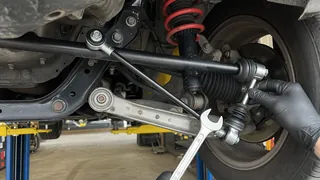
More serious repairs involve cracks, torn welds, or deformation near the brackets that join the bar to the vehicle. These areas carry collision and vibration loads, so straightening them incorrectly can leave hidden fatigue. Because part fitment and panel clearance affect bumper, grille, and sensor operation, any repair that changes the bar’s shape or mounting angle should preserve the original alignment and confirm that the finished assembly does not contact body panels.
Diagnosing a problem
Start by cleaning the bar and looking at where damage sits. A shallow scrape that exposes bright metal is usually a surface or coating issue, not a reason to stop driving. Focus on cracks that begin at a bend, weld, or drilled hole. Those are stress risers, and if a crack extends through the section or visibly opens when the bar is pushed lightly, the component should be treated as structurally compromised until a professional inspection can be arranged.
Also pay attention to loose fasteners, shifted mounting plates, or one side of the bar sitting closer to the body than the other. Those signs may indicate that the bar absorbed an impact and the brackets absorbed most of the movement. Since aluminium work-hardens when bent repeatedly, forcing a deformed section back into place can create new fractures. When movement at the attachment points is obvious or the bar trembles on rough roads, professional diagnosis is the practical next step, especially if the vehicle will be used for off-road recovery or front-end protection.