T-Bar Steering Wheel Locks
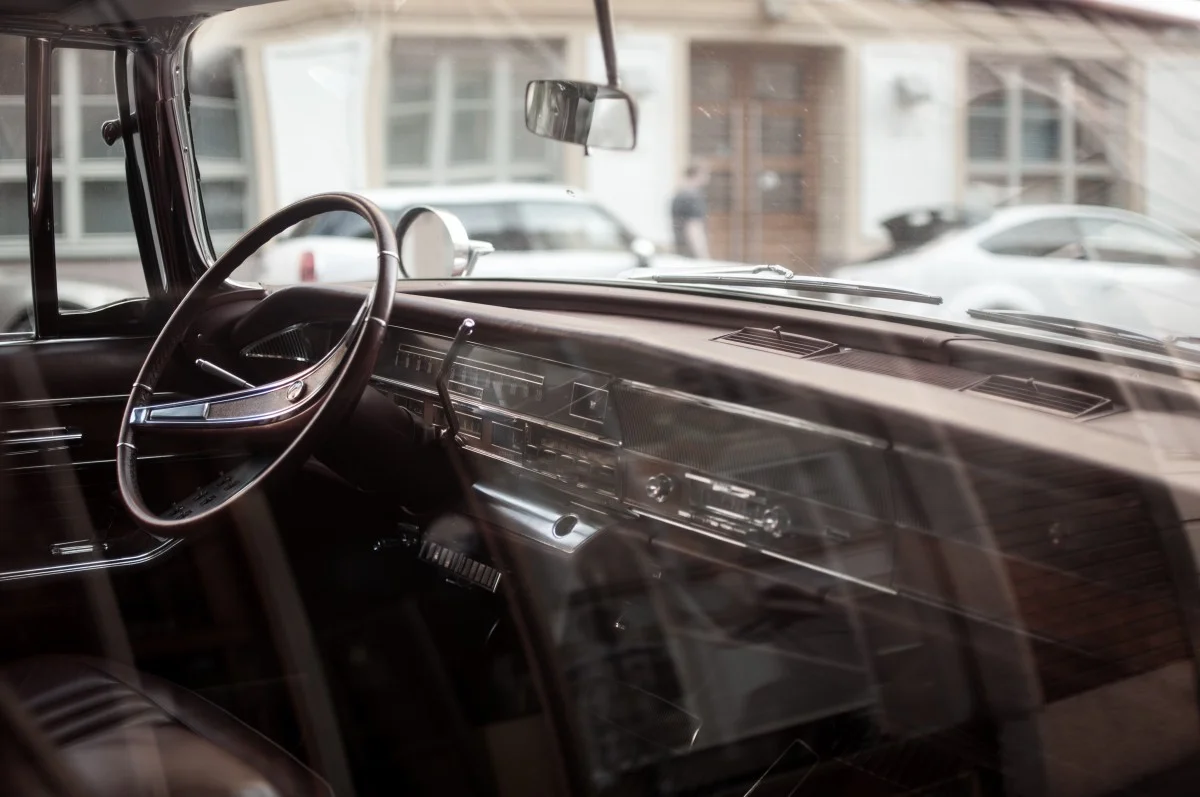
A T-bar steering wheel lock is a reasonable low-cost layer of theft deterrence. Its main value is that it is visible and slows a thief down. It does not make a vehicle impossible to steal. The design is a T-shaped bar that clamps across the steering wheel rim, with a long arm that strikes the dashboard, windshield or seat when someone tries to turn the wheel. Whether one is worth buying depends on two things. First, it has to fit your specific wheel properly. Second, its weak points need to match the threats you actually face. A lock that sits loosely or can be bypassed by cutting the rim offers far less protection than its appearance suggests.
What a T-Bar Lock Does and Doesn't Do
The lock works mechanically. It needs no wiring, batteries or connection to the vehicle's electronics. That makes it independent of keyless-entry and immobilizer systems. Many modern thefts target those electronic systems, so a mechanical barrier adds a different kind of obstacle.
Strengths: • Visible from outside the vehicle, which can encourage an opportunistic thief to move on; • Adds time and effort to a theft attempt; • Works the same way regardless of make, model year or powertrain, provided it fits the wheel; • Removable and transferable between vehicles with compatible wheels
Limitations: • Does not prevent entry into the vehicle, theft of contents or catalytic converter theft; • Does not stop the vehicle from being towed or loaded onto a trailer; • Steering wheel locks in general can be defeated by cutting through the wheel rim and sliding the lock off; • A poor-quality lock cylinder can be picked or forced
What to Check Before Buying
Product specifications vary widely, and no independent test results or measurements are available for this guide. The checks below are general criteria. Confirm each one against the manufacturer's stated specifications and your own vehicle.
Check | Why it matters | How to verify; Wheel diameter and rim thickness | The hooks must close firmly around the rim; a loose fit can let the lock rotate or slip off | Measure your wheel and compare it with the stated fit range; note that steering wheel sizes can differ by trim and model year; Wheel shape | Flat-bottomed, D-shaped or thick sport wheels may not seat a clamp evenly | Check whether the manufacturer lists compatibility with non-round wheels; Arm length and clearance | The arm must actually hit something solid when the wheel turns, or the lock does little | Check that the arm will contact the dash, windshield, pillar or seat in your cabin layout; Airbag clearance | Parts of the lock should not rest on the airbag cover in the wheel hub | Confirm the lock clamps only on the rim and sits clear of the hub; Lock mechanism | The cylinder is a common point of attack | Look for details on the lock type and any anti-pick or anti-drill features the maker claims; treat unverified claims cautiously; Build material | Thin or soft metal is easier to cut or bend | Check what material the bar and hooks are made of and whether the hooks are reinforced; Padding and finish | Bare metal can mark leather, wood trim or the dashboard | Look for coated hooks and a padded contact point on the arm; Keys | Losing the only key can leave the vehicle immobilized | Check how many keys are included and whether replacements are available
Design Variations Worth Comparing
Not every product sold as a T-bar lock is built the same way. A basic single-hook model clamps to one section of the rim. Some designs use double hooks or extend across more of the wheel. Others are wheel covers that enclose most of the rim, which can make the cut-the-rim method harder. These coverage designs are usually bulkier to store and slower to fit. You will need to judge whether the added resistance is worth the extra handling for your situation.
Everyday Use and Safety
• Decide where you will store the lock while driving; an unsecured metal bar can become a projectile in a hard stop or crash; • Always remove it fully before starting off, and never drive with it attached; • Consider how easy it is to fit in the dark or in a tight parking space; a lock you skip using because it is awkward gives no protection; • If several drivers share the vehicle, make sure each one has access to a key
Where a T-Bar Lock Fits in Your Overall Security
A steering wheel lock works best as one layer among several. Other layers can include the vehicle's factory immobilizer, careful handling of keyless fobs, and parking in well-lit or secured areas. Depending on your vehicle and local theft patterns, you might also add a pedal lock, wheel clamp or tracking device. Some insurers may consider anti-theft devices when setting premiums, but policies differ, so ask your insurer directly rather than assuming a discount applies.
Information Gaps to Keep in Mind
This guide does not include verified prices, fit measurements, theft-resistance ratings or test results for specific T-bar locks. When you compare products, look for clearly stated fit ranges and materials. Look for independent security ratings where they exist, and check return terms in case the lock does not fit your wheel. If your vehicle has an unusual wheel design, confirm compatibility for your exact model year and trim before you buy.