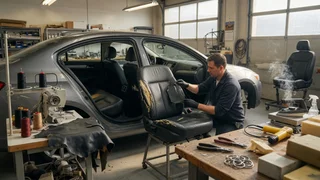
Find car seat repair
Finding car seat repair starts with identifying whether the damage affects the cover, foam cushion, frame, or integrated restraints. A torn bolster, collapsed side support, burned fabric, or failed recliner changes daily comfort and resale value, but not every defect requires the same shop. Upholstery specialists, auto trimmers, and mobile leather repair technicians handle most cosmetic work, while broken frames and seat belt routing may need mechanical attention. Matching the repair to the material and the seat’s function prevents a cheap patch from hiding a structural problem.
The direct answer
For most worn cloth, cracked vinyl, or split leather panels, an automotive upholstery shop or mobile interior repair service is the appropriate first contact. These businesses replace seat covers, repair foam bolsters, and dye or patch surface damage without removing the seat from the vehicle. The best result depends on the material, the size of the damaged area, and whether the original cover can be saved. A small cigarette burn or seam split is usually repairable, while extensive sun damage or torn side bolsters often justifies a replacement cover section.
If the seat no longer adjusts, clicks during acceleration, or rocks on its mounting points, the problem is likely mechanical rather than cosmetic. A qualified auto trim shop can inspect the seat track, recliner mechanism, and mounting bolts, but some repairs require removing the seat and addressing the base or airbag wiring. Shops that handle collision interiors and restraint systems understand the need to maintain the seat belt routing and occupant sensor function during the work.
Identification and location
The damaged area’s location on the seat tells you what material and repair method are involved. Outer bolsters wear first because drivers slide across them during entry and exit, compressing the foam and abrading the cover. Center panels, stitching lines, and piping fail from repeated flexing. The seat base usually shows cracks from pressure and moisture, while the backrest is more affected by UV exposure and perspiration. Knowing whether the panel is genuine leather, coated leather, vinyl, or cloth changes the adhesive, filler, and finish a technician will select.
Vehicle-specific variations matter because a seat that looks identical across trim levels may hide different internal parts. Heated elements, side airbags, occupancy sensors, and power adjustments are often located inside or directly under the cover. The trim tag, seat shape, stitch pattern, and control layout help identify the correct replacement cover or foam section. If you are matching used parts, compare the seat from the same body style and option package rather than assuming any seat from the same model year will fit.
Understanding a problem
A small tear around a seam usually means the thread or fabric has fatigued, while a long split in the middle of a panel often points to degraded material from heat, body oils, or cleaning chemicals. Foam that feels soft, crumbles at the edges, or leaves dust on the carpet has lost its resilience and will not support a new cover well. Replacing only the cover over collapsed foam creates a wrinkled, loose fit, so the correct repair may include a foam section or a full cushion rebuild.
When a seat heater stops working or an airbag warning light appears after seat damage, the issue may involve wiring or a sensor rather than the visible upholstery. A fault code from the restraint system only indicates a circuit or component problem; it does not prove which sensor or connector caused the signal without further inspection. Shops working on seats with occupant detection or side airbags should confirm the vehicle-specific procedure so the system is not disabled by an incorrect cover or connector routing. Avoid continued use of a seat that shifts, fails to latch, or places the belt across the neck or abdomen, because the restraint geometry is no longer reliable.