O'Reilly Brake Pads: How to Choose the Right Set for Your Vehicle
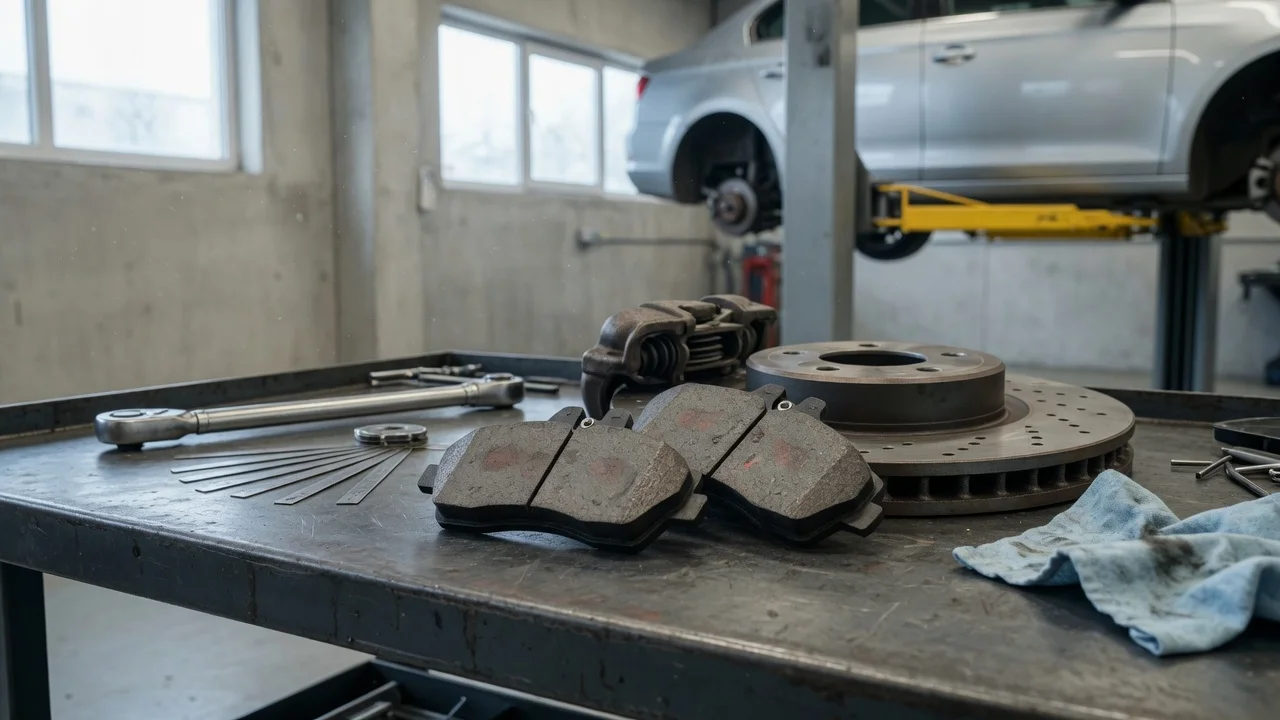
The short answer
O'Reilly Auto Parts sells brake pads for most mainstream cars, trucks and SUVs, including its own store-brand lines and name brands. Whether a given pad is right for you depends on two things: an exact fitment match for your vehicle and axle, and a pad compound suited to how you drive. The model name alone is not enough to confirm fit, because brake hardware often differs between model years, trims, drivetrains and optional brake packages on the same vehicle.
What changes the answer: fitment details
Brake pads must match the caliper and rotor they are used with. Manufacturers sometimes fit different brakes to versions of the same model, so check these details before buying:
Model year, including mid-year production changes, which can make the build date on the door-jamb label relevant; Trim level and any performance, towing or heavy-duty brake package; Drivetrain (two-wheel drive versus all-wheel or four-wheel drive) and engine, where these affect brake sizing; Front or rear axle, because front and rear pads are almost always different parts; Rear brake type, such as disc versus drum, or an electronic parking brake that may require a service procedure during pad replacement; Market, since vehicles sold in different countries can use different brake components
The most reliable way to confirm fit is to look up the part using your vehicle identification number (VIN), or to compare the new pad against the old one for shape, backing-plate outline and wear-sensor provisions before installing.
Choosing a pad compound
The compound is the friction material bonded to the pad's metal backing plate. Retailers typically group pads into three broad types, and the trade-offs are general rather than specific to any one brand:
Type | Typical strengths | Typical drawbacks; Organic (non-asbestos organic) | Quiet, gentle on rotors, usually lower cost | Tend to wear faster and produce more dust; less suited to heavy loads; Semi-metallic | Good heat tolerance and bite, suited to towing and heavier vehicles | Can be noisier, dustier and harder on rotors; Ceramic | Low dust, quiet, consistent everyday feel | Usually cost more; may not suit sustained heavy-duty use as well as semi-metallic
For ordinary commuting, ceramic or the compound your vehicle came with is a common choice. For towing, hauling or frequent mountain driving, a semi-metallic or heavy-duty-rated pad is generally the safer fit. If your owner's manual or the vehicle maker specifies a pad type, that is a sensible starting point.
Store-brand versus name-brand pads
O'Reilly offers its own brake lines alongside branded pads, usually in tiers that step up in compound, included hardware and warranty coverage. Because product lines, prices, warranty terms and stock change over time and by location, confirm the current options, what each warranty covers and whether shims, clips or other hardware are included before deciding. This article does not have verified pricing, test results or warranty details for specific O'Reilly products.
Before you buy
Confirm fit with your VIN and the correct axle; Inspect rotors for scoring, warping or wear below the minimum thickness stamped on them; new pads on worn rotors can lead to noise, vibration and poor braking; Check whether your vehicle uses wear sensors that need replacing with the pads; Replace pads in axle sets so both sides of the axle wear evenly; If you are unsure about the procedure, especially with electronic parking brakes, consider professional installation
Information gaps
No vehicle-specific fitment data, current prices, availability, warranty terms or independent test results were available for this guide. Treat the compound comparisons as general guidance and verify part numbers and coverage for your exact vehicle before purchasing.