Finding a Brake Proportioning Valve at O’Reilly Auto Parts
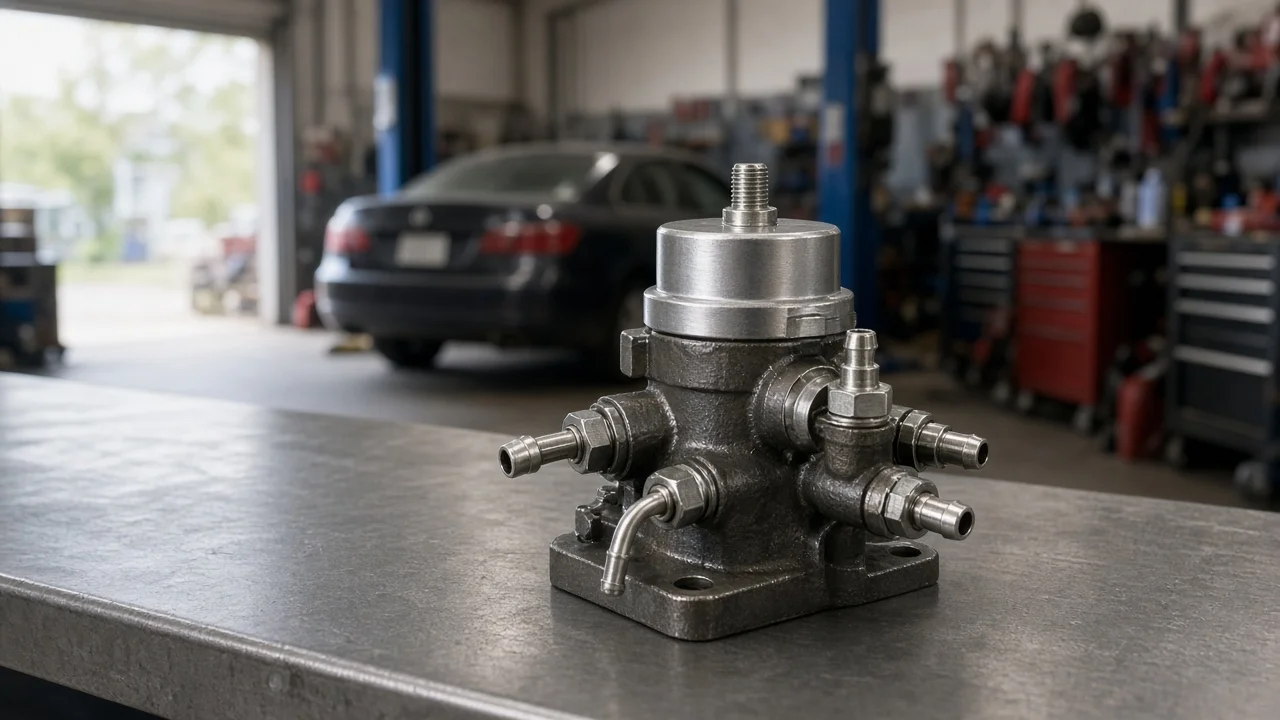
You may be shopping for a brake proportioning valve at O’Reilly Auto Parts because the rear brakes lock too early, the warning light stayed on after a hydraulic repair, or an inspection pointed to the part that balances front and rear pressure. This guide covers what to look up, which version your vehicle probably uses, and when a braking problem means the car should stay parked until someone checks it.
Can You Get a Proportioning Valve at O’Reilly?
Often, yes. Parts chains such as O’Reilly Auto Parts commonly list proportioning valves, combination valves and load-sensing valves for many vehicles. Whether a given part is on the shelf, held at a regional warehouse or available only as a special order depends on the store and on your exact vehicle. The most reliable approach is to enter the year, make, model and engine in the catalog, or give your VIN at the counter. Then read the vehicle fitment notes instead of relying on the part name alone.
An empty search result does not always mean the part is unavailable. Your vehicle may have the valve built into the master cylinder. It may use an integrated combination valve sold under a different name. It may also have no separate valve at all, because the antilock system handles front-to-rear balance electronically. In that case there is nothing to buy, and the fault lies somewhere else.
How a Proportioning Valve Works
When you press the pedal, the master cylinder sends brake fluid pressure to the caliper or wheel cylinder at each corner. During a hard stop, weight shifts forward, so the rear tires can handle less braking force before they lock. A proportioning valve sends full pressure to the rear circuit up to a set point, often called the split point. Above that point, rear pressure rises more slowly than front pressure. This keeps the rear wheels from locking first, which helps the vehicle stay straight under heavy braking.
Many older cars have front discs and rear drums. On these, the proportioning function often sits inside a combination valve that has two other parts. A metering valve briefly holds back front pressure so the rear shoes can engage. A pressure differential switch turns on the brake warning light if one hydraulic circuit loses pressure. Trucks and vans often use a load-sensing valve linked to the rear axle, which allows more rear pressure as the load increases. The valve does not wear the way brake pads or brake rotors do. It fails through internal corrosion, a sticking piston or a leaking seal.
What Changes Which Part You Need
Most late-model vehicles with antilock brakes use electronic brakeforce distribution. The ABS module adjusts rear pressure using data from the wheel speed sensors. These vehicles usually have no stand-alone proportioning valve. A rear lockup complaint on one of them calls for reading ABS fault codes, not buying a part.
Older vehicles vary more. On some, the proportioning valve threads into a master cylinder outlet, so the catalog may list it only as part of the master cylinder. Others use one of these layouts: a separate inline valve on the rear line, a combination valve mounted on the frame rail or firewall, or a height-sensing valve with a linkage that has its own adjustment procedure. Trim level, drive type, brake option, weight rating and even production date can change which part fits. Two vehicles from the same model year may need different valves.
Some modifications change the brake balance the factory valve was designed for. These include disc brake conversions, lifted or lowered suspension, larger tires and towing setups. Universal adjustable proportioning valves exist for such builds, but setting one correctly takes testing and experience. An adjustable valve is not a fix for a stock vehicle with an unexplained fault, and it should not replace the specified part on an unmodified vehicle.
Confirm the Diagnosis Before You Buy
Start by ruling out the more common causes of front-to-rear imbalance. Several faults can look like a bad valve: contaminated or glazed friction material, brake pads worn past their wear limits, a seized caliper slide, a leaking rear wheel cylinder, misadjusted rear shoes, or a brake hose that has collapsed inside. Check the brake fluid level and condition. Look for wet spots at each wheel and along the lines, and note whether the brake warning light is on.
Write down exactly what happens. Note whether the rear locks under light braking, whether the front and rear wear unevenly, whether the vehicle pulls, and whether the warning light came on after a bleed. On a combination-valve system, a warning light that appears right after brake work may mean the differential switch piston has moved off center. Sometimes the piston can be recentered instead of replacing the valve, but the procedure depends on the valve design.
Matching and Installing the Replacement
When ordering, give the counter staff your VIN and photos of the old valve in place. If the vehicle is already apart, bring the removed part so you can compare it directly. Count the ports, note which line goes to each one, and confirm the fitting type and thread size. Brake lines can use either double-flare or bubble (ISO) flare fittings, and the two are not interchangeable. Ask whether the part is in stock or must be ordered, and confirm that it matches the fitment notes for your brake configuration.
Replacing the valve opens the hydraulic system, so the whole system must be bled afterward with the brake fluid specified for the vehicle. Some combination valves have a metering valve stem that must be held open during pressure bleeding. ABS-equipped vehicles may need a scan tool to cycle the hydraulic unit. Use line wrenches so the fittings do not round off, tighten them to the specified torque, and check for leaks with the pedal held down firmly before any road test.
Limitations and When to Get Professional Help
This guide cannot tell you which valve your vehicle uses, its split point, or the correct adjustment for a load-sensing linkage. Those details come from the service information for your specific vehicle. Catalog listings and counter lookups help confirm fitment, but they do not diagnose the fault.
Stop driving the vehicle and have the brakes inspected by a qualified technician if any of these happen: the pedal sinks, the brake warning light stays on, the vehicle pulls hard, or the rear wheels lock during normal stops. Brake hydraulics leave little room for error. A professional can pressure-test each circuit, confirm whether the valve is actually at fault, and complete the bleed and road test safely.