Finding a Brake Proportioning Valve at AutoZone
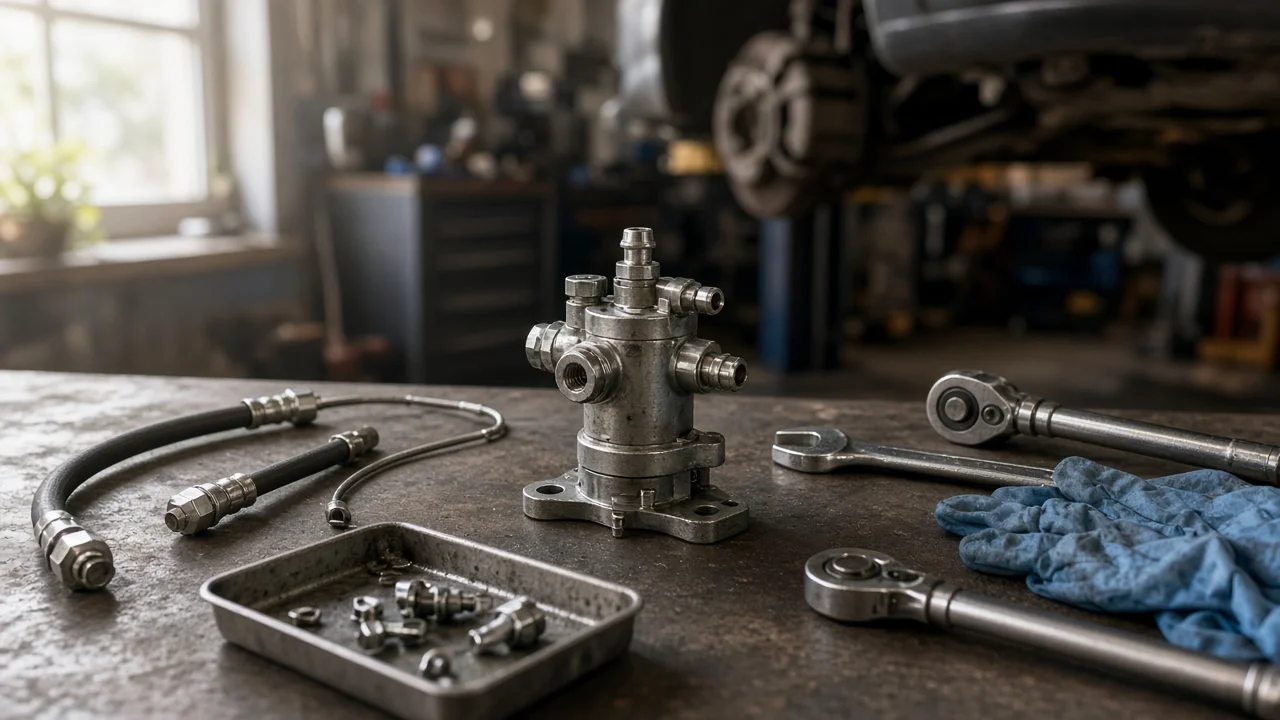
If your brake system needs a new proportioning valve, AutoZone is a reasonable first place to look, but whether you can buy one there depends mostly on your vehicle. Many older cars and trucks use a separate valve or combination valve that can be replaced. Many newer models balance front and rear brake pressure inside the ABS hydraulic unit and have no separate valve. This guide covers how to search for the part, what affects whether one exists, and when the job belongs in a shop.
Can You Get a Brake Proportioning Valve at AutoZone?
Often, yes, if your vehicle uses a separately serviceable valve. Like other large parts retailers, AutoZone lists brake hydraulic parts by vehicle fitment. The practical way to check is to search by year, make, model and engine, or to give the counter staff your VIN. Depending on the vehicle, results may show a proportioning valve, a combination valve or nothing. A listed part may be on the shelf, at another location or available only by order. The listing or the store can tell you which, and stock varies by location. Universal adjustable valves meant for custom or modified brake systems may also appear. Those are a different product from a direct-fit replacement. A search with no results usually means the vehicle has no separate valve, not that the store is out of stock.
Don't buy on the part name alone. Two valves that look alike can differ in port count, thread size, flare type (inverted double flare or ISO bubble flare), mounting bracket, warning switch connector and internal pressure settings. If you can, remove the old valve or photograph it in place before you go, and compare it with the listing photo and specifications.
What a Proportioning Valve Actually Does
When you brake hard, weight shifts toward the front of the vehicle. The rear tires lose grip and can lock before the fronts do, which can make the rear end unstable. A proportioning valve prevents this by limiting rear brake pressure. Below a set pressure, often called the split point or knee point, fluid passes to the rear brakes unchanged. Above that point, the valve lets rear pressure rise more slowly than front pressure. The rear brakes still help stop the vehicle but are less likely to lock first.
On many older vehicles, the proportioning section is housed in a combination valve with two other functions. A metering valve briefly holds back pressure to the front disc brakes so that rear drum brakes can engage. A pressure differential switch turns on the brake warning light if one hydraulic circuit loses pressure. Many pickups and vans instead use a load-sensing valve, which a lever or link connects to the rear axle. As the vehicle carries more weight, the valve allows more rear pressure.
Why Your Vehicle May Not Have a Valve to Replace
On many vehicles with ABS, electronic brakeforce distribution controls rear brake pressure through the ABS hydraulic control unit, so there is no separate proportioning valve. On others, the valves are built into the master cylinder outlet ports or into fittings in the brake lines. In that case, the replacement part may be the master cylinder or a specific fitting rather than a stand-alone valve. Diagonally split brake systems, where each circuit serves one front wheel and the opposite rear wheel, may have two proportioning valves instead of one.
Load-sensing valves add another complication. Their linkage usually has to be set to a specification at a defined ride height, and some are sold only through the dealer. Custom builds, engine swaps and rear disc conversions often use an aftermarket adjustable valve. Setting that valve correctly depends on the whole system: caliper and wheel cylinder sizes, master cylinder bore, tire size and vehicle weight. A catalog listing can't make that judgment for you.
How to Search and Confirm the Right Part
Before you search, note your year, make, model, engine, drivetrain and rear brake type (drum or disc), and have the VIN ready. Then find the valve on the vehicle. Typical locations are near the master cylinder, on a frame rail, or near the rear axle for load-sensing types. Count the brake lines connected to it, check for an electrical connector, and take clear photos. Compare all of that with the listing before you buy. If you aren't sure about fitment, check the return terms before you open the package or install anything.
You'll also need the brake fluid type specified on the reservoir cap or in the owner's manual, flare-nut (line) wrenches, and bleeding supplies. Open-end wrenches and pliers can round off brake line fittings. Some combination valves require the metering valve stem to be held open during pressure bleeding. On some, the pressure differential switch has to be re-centered afterward to turn off the warning light. Follow the service procedure for your vehicle for these steps and for fitting torque.
Check Common Causes Before Blaming the Valve
Symptoms often blamed on a proportioning valve include rear wheels locking under light braking, the vehicle pulling to one side, long stopping distances and a lit brake warning light. All of these can have other causes. Check the following first: • Brake pads worn past their wear limits; • Friction material contaminated with oil or brake fluid; • A sticking caliper; • Brake rotors below minimum thickness; • Rear drums out of adjustment; • A leaking wheel cylinder; • A seized load-sensing linkage; • Low or contaminated brake fluid; A new valve won't fix any of these, so inspecting them first can save you money and effort.
Some symptoms mean you should stop driving the vehicle until it's repaired. These include a brake pedal that sinks toward the floor, a brake warning light together with low fluid, a visible fluid leak and wheels that lock unexpectedly. Have the vehicle towed or inspected where it sits rather than driving it to the store.
Limitations and Next Steps
This guide can't confirm stock or fitment for your specific vehicle, and catalog data is only as accurate as the vehicle details you enter. Use factory service information for valve location, torque values, bleeding sequence and any procedure particular to your vehicle. If brake lines were opened on a vehicle with ABS, the hydraulic unit may need an automated bleed using a scan tool. Air left in the system can cause a soft pedal or uneven braking.
Start by looking up your vehicle in the parts catalog. If no valve is listed, check the service information to see whether rear proportioning is handled by the ABS or built into the master cylinder. If so, the repair usually goes through a dealer or brake shop. After any brake hydraulic repair, test the brakes at low speed in a safe area before driving normally. If the pedal feel or stopping behavior has changed, have a professional inspect the brakes.