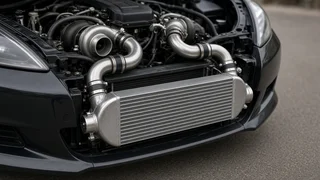
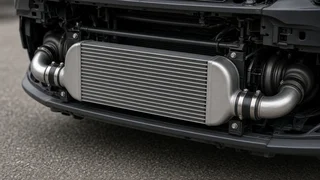
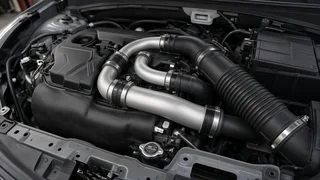
Nissan 300ZX Twin Turbo Intercooler and Piping
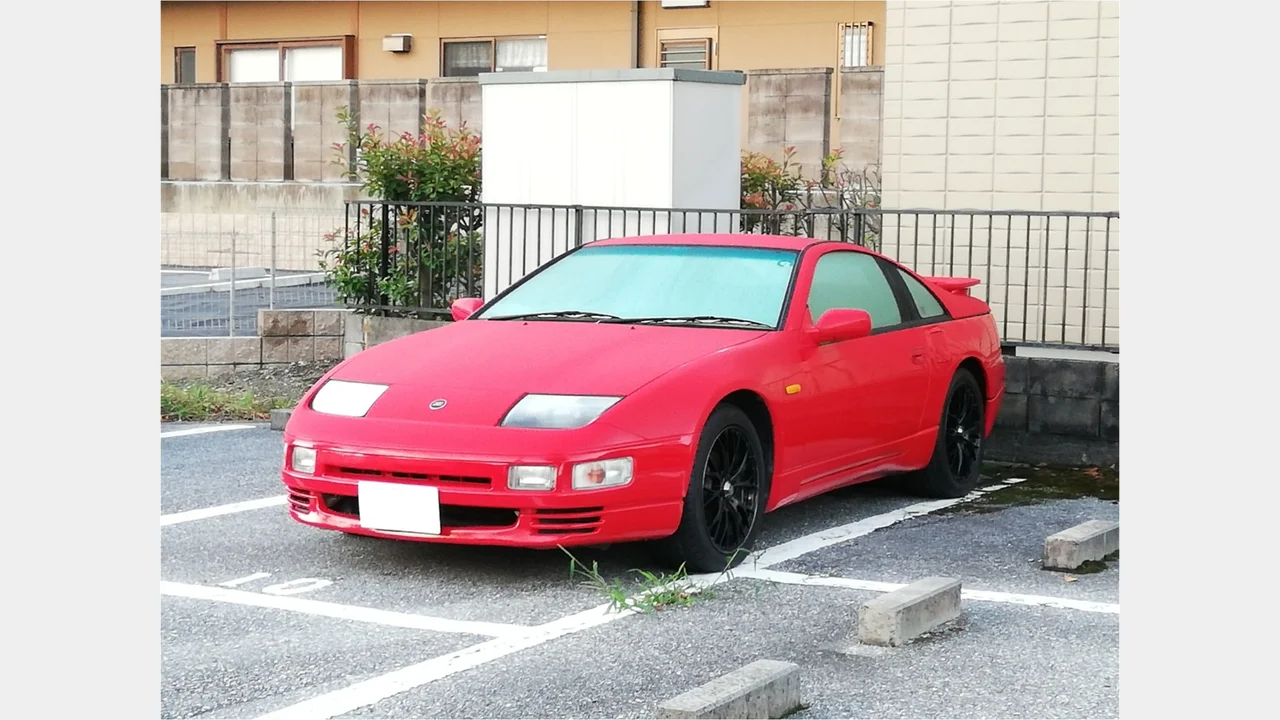
The Nissan 300ZX Twin Turbo intercooler and its piping sit at the heart of a tightly packaged turbo system. Heat from two turbochargers raises charge-air temperature, and the intercooler removes much of that heat before the intake charge reaches the engine. When buyers evaluate a 300zx twin turbo intercooler or the matching 300zx twin turbo intercooler piping, they are really checking whether the complete path from each compressor outlet to the throttle body is dense, leak-free, and able to hold boost pressure without excessive pressure loss. Choosing the right setup means matching physical fit, hose connections, and the condition of used or aftermarket parts to how the car will actually be driven.
The direct answer
For most owners looking to repair or upgrade a Z32, the best immediate move is to treat the intercooler and piping as one intake-side system rather than separate purchases. An aftermarket or replacement core may improve cooling, but gains disappear if the adjoining couplers, clamps, and hard pipes do not seal correctly. Before buying, confirm the piping diameter and routing match the chosen intercooler end tanks, and inspect the existing rubber hoses for splits, ballooning, or oil contamination from the turbo system. A well-matched combination should maintain steady boost response and reduce charge-air temperature under repeated load.
If the factory parts are still in place, the practical question is usually condition before size. Heat cycles age the original hose connections, and the small cracks that form under the clamps can open under pressure. A used 300zx twin turbo intercooler may look sound outside while carrying internal oil residue or bent fins that restrict airflow. The direct answer is to replace the weak link first: aged piping couplers and crush washers around the intercooler connections often create the boost leaks that feel like a larger turbo or core failure.