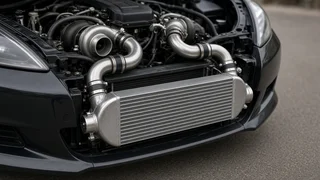
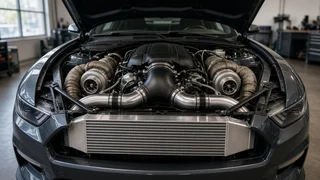
Twin turbo intercooler kit
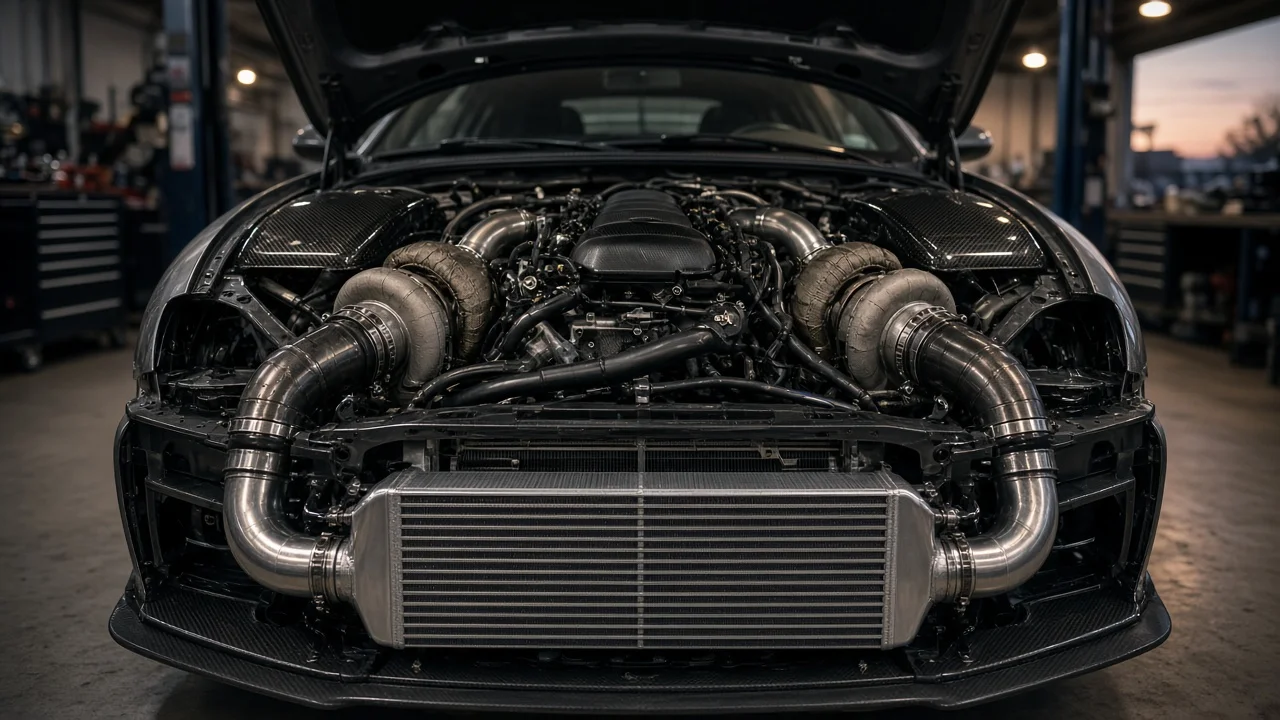
Choosing a twin turbo intercooler kit means weighing more than a price tag. The right setup lowers charge-air temperature so dense, stable boost pressure reaches the engine, but universal kits add fitment work. A buyer should evaluate compressor outlet routing, pipe geometry, hose connections, and whether the core flows enough air without excessive pressure loss. For a twin-turbo arrangement, two banks also create specific plumbing choices. Knowing these mechanical points helps you compare a ready-made offering against a universal twin turbo intercooler layout and buy with a clearer view of installation and performance.
The direct answer
The short answer is that a twin turbo intercooler kit is a useful purchase when the intercooler is the actual bottleneck in the intake tract, but it is not a universal power part that works equally well on every setup. The kit should match the compressor outlet configuration and the available space ahead of the radiator or in the fender wells. A complete kit can simplify the job because it includes the core, end tanks, mounting brackets, and charge piping. In contrast, a universal twin turbo intercooler often requires cutting, welding, or sourcing separate silicone couplers and clamps before the system can hold boost reliably.
What materially changes the answer is the plumbing layout. Many V-style and parallel twin-turbo engines use two small compressors feeding a common throttle body, so the buyer may need a dual-inlet core or a merge pipe that keeps flow balanced. If the vehicle already has a factory air-to-water brick or a restrictive stamped end tank, an upgrade can reduce heat soak and make boost more repeatable. However, if the stock piping, tune, or turbocharger sizing is the real limit, a larger core alone will not deliver the expected gain. The condition that matters most is whether the selected intercooler package supports the engine’s actual airflow and pressure ratio rather than simply being larger.