Follow a Monthly Car Maintenance Checklist
A monthly car maintenance checklist is a short routine of visual and hands-on checks you can do yourself, usually in about the time it takes to fill the tank. It does not replace the manufacturer schedule found in your owner's manual. Instead, it fills the gap between scheduled service visits so that low fluids, underinflated tires, burned-out bulbs or worn wiper blades are caught early, before they become safety problems or larger repair bills.
The short answer: what to check every month
Once a month, check tire pressure and tread condition, engine oil level, coolant level, windshield washer fluid, exterior and interior lights, wiper blades, and the battery's visible condition. Take a quick look under the hood and under the car for leaks, and note anything unusual about how the vehicle drives, sounds or smells. Record what you find. The exact list varies by vehicle: a battery electric vehicle has no engine oil to check, some modern engines have no traditional dipstick, and some transmissions are sealed and not meant to be checked by the owner. Your owner's manual is the authority on which checks apply to your specific model year and powertrain.
How a monthly check differs from scheduled service
Manufacturers publish a service interval for each maintenance task, typically expressed in both time and mileage, with the rule that you follow whichever comes first. Scheduled service items such as oil and filter changes, tire rotations, brake inspections, fluid replacements and filter replacements are tied to those intervals. Many manuals also list a separate, more frequent schedule for severe operating conditions, which can include frequent short trips, stop-and-go traffic, towing, dusty roads, or very hot or cold climates.
A monthly checklist is different in purpose. It is an inspection, not a service. You are looking for changes and early warning signs, not replacing parts on a schedule. If a monthly check reveals a problem, such as oil that is noticeably low between changes or a tire that keeps losing pressure, that is a signal to have the vehicle looked at sooner than the next scheduled visit.
Aspect | Monthly checklist | Manufacturer service schedule; Who does it | Usually the owner | Owner or technician, depending on the task; Trigger | Calendar, roughly once a month | Time and mileage intervals, whichever comes first; Purpose | Spot changes, leaks, wear and low levels early | Replace fluids, filters and wear parts before they fail; Tools needed | Tire gauge, flashlight, rag, owner's manual | Varies; often shop equipment; Adjusts for operating conditions | Indirectly, by catching problems sooner | Directly, through normal and severe schedules
Before you start
Park on level ground with the parking brake set. For fluid checks under the hood, follow the manual's instructions on whether the engine should be warm or cold; coolant reservoirs and radiator caps should never be opened while the engine is hot, because the system can be under pressure. Check tire pressure when the tires are cold, meaning the car has been parked for a while or driven only a short distance, since driving warms the tires and raises the reading.
Tires
Tires lose air gradually even without a puncture, and pressure also changes with outside temperature. Use a tire gauge to check each tire against the recommended pressure printed on the placard, usually on the driver's door jamb, or listed in the owner's manual. Do not use the maximum pressure molded into the tire sidewall; that is a limit, not a recommendation. If your car has a compact or full-size spare, check it too.
While you are at each wheel, look at the tread. Most tires have tread-wear indicator bars molded into the grooves; when the tread is worn down level with those bars, the tire is due for replacement. Also look for uneven wear, such as one edge wearing faster than the other, which can point to alignment or inflation issues. Check sidewalls for cuts, cracks or bulges, and remove stones or debris lodged in the tread. A tire pressure monitoring system warning light is useful, but it is not a substitute for a gauge, because it typically alerts only after pressure has dropped meaningfully.
Engine oil
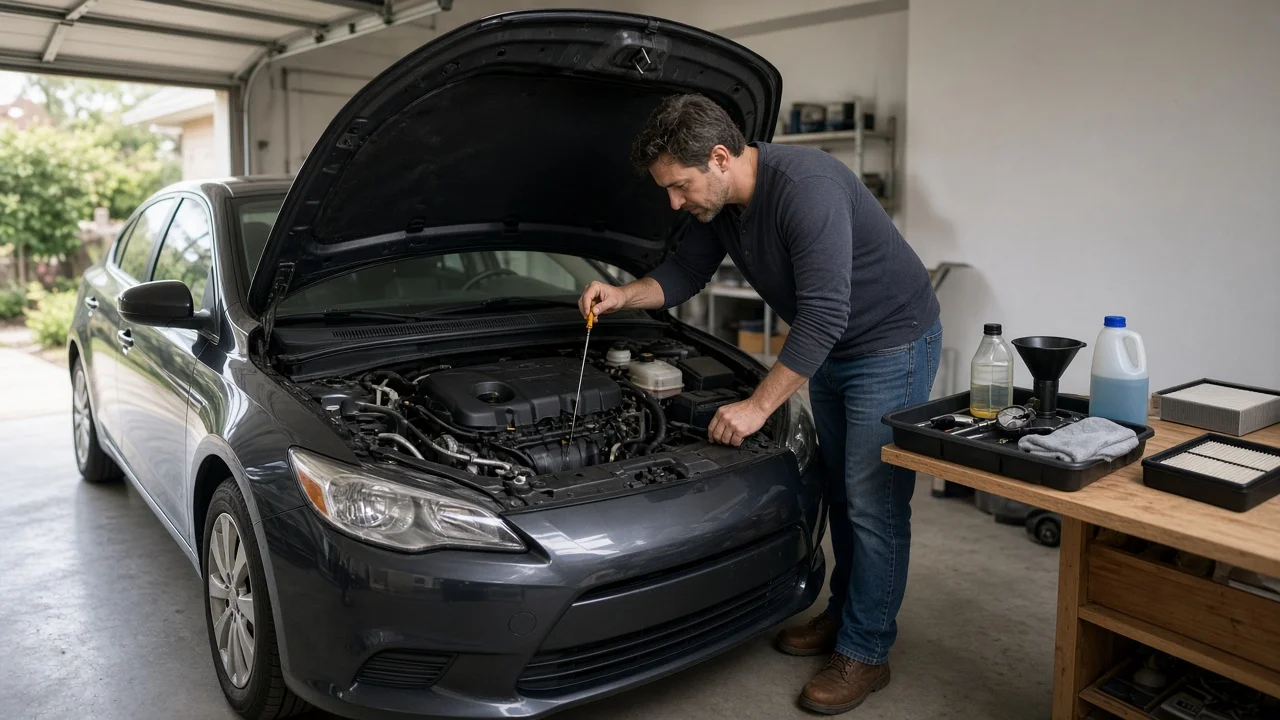
On vehicles with a dipstick, pull it out, wipe it clean, reinsert it fully, then pull it again and read the level against the marks. The level should sit between the minimum and maximum indicators. Note the oil's appearance as well: a milky or foamy look, or a strong fuel smell, warrants a professional inspection. Some newer vehicles have no dipstick and display oil level through the instrument cluster or infotainment screen; the manual explains the procedure. If you need to top up, use the oil grade and specification listed in the manual.
Monthly oil checks matter even if your oil change interval is long, because some engines consume a small amount of oil between changes, and a leak can lower the level without any warning light until it is already low.
Other fluids
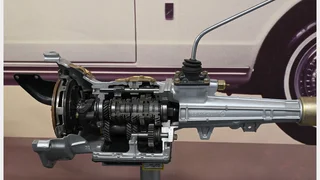
Coolant: With the engine cold, check that the level in the translucent overflow reservoir is between the marked lines. Persistent loss suggests a leak. Windshield washer fluid: Top up as needed. In cold climates, use a washer fluid rated for freezing temperatures. Brake fluid: Check the level in the reservoir, which is usually translucent with marked lines. A gradual drop can reflect normal brake pad wear, but a noticeable or sudden drop should be inspected promptly, since it can indicate a leak. Power steering fluid: Applies only to vehicles with hydraulic power steering. Many newer vehicles use electric power steering and have no reservoir. Transmission fluid: Some vehicles have a dipstick for this; many have sealed transmissions that are checked only by a technician. Follow the manual.
Lights and signals
Walk around the car with the lights on and check headlights on low and high beam, taillights, brake lights, turn signals, hazard lights, reverse lights, license plate light and any fog lights. A second person helps with brake and reverse lights, or you can check reflections against a garage door or wall. Inside, make sure dashboard warning lights illuminate briefly at startup and then go out; a warning light that stays on deserves attention rather than a wait until the next service.
Wipers and glass
Look at the wiper blades for cracking, tearing or stiffness, and run them with washer fluid. Streaking, skipping or chattering usually means the blades need replacing. Check the windshield for chips or cracks; small chips can spread, especially with temperature changes, and some can be repaired if addressed early. Clean the inside of the glass as well, since haze reduces visibility at night and in low sun.
Battery
Look at the 12-volt battery for corrosion on the terminals, which often appears as a white, green or bluish crust, and confirm the cables are tight and the battery is secure in its tray. Signs of a weakening battery include slow cranking, dim lights at startup or electrical glitches. Many auto parts stores and shops can test a battery's condition. Electric and hybrid vehicles also have a 12-volt battery that powers accessories and startup systems, even though the high-voltage traction battery is a separate system that owners should not service themselves.
Belts, hoses and leaks
With the engine off and cool, use a flashlight to look at visible belts for cracking, fraying or glazing, and at hoses for bulges, cracks or soft spots. Then look at the ground where you usually park. Spots or puddles can help identify a leak, and their color is a rough guide: dark brown or black often suggests engine oil, green, orange or pink can indicate coolant, reddish fluid may be transmission or power steering fluid, and clear water dripping near the front passenger area is often normal air-conditioning condensation. Any leak other than condensation is worth having diagnosed.
Brakes and driving feel
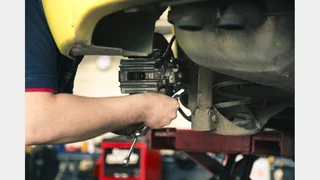
You cannot fully inspect brakes during a quick monthly check, but you can pay attention to how they behave. Squealing or grinding noises, a soft or sinking pedal, pulling to one side, or vibration when braking all call for an inspection. More broadly, note any new vibration, pulling, clunks over bumps, unusual smells or changes in how the car shifts. These observations are often more useful to a technician than any single measurement you can take at home.
Cabin and safety items
Make sure the horn works. Check that seat belts latch and retract properly. Confirm the spare tire, jack and wrench, or tire repair kit, are present. Keep a basic emergency kit appropriate to your climate and driving. Check that the cabin is free of loose items that could slide under the pedals.
Keep a maintenance record
A maintenance record turns monthly checks into useful information. Note the date, mileage, what you checked, what you topped up and anything that seemed off. Over time, the record shows patterns, such as gradual oil consumption or a tire that keeps losing air. Keeping receipts and logs for scheduled service items also helps if a warranty question comes up and can support resale value by showing the car was cared for. A notebook in the glove box, a spreadsheet or a maintenance app all work; consistency matters more than the format.
Adjusting the checklist to your vehicle
The checklist above is a general starting point. Owners of battery electric vehicles can skip engine oil and most engine-related fluid checks, but tires, brakes, lights, wipers, washer fluid, coolant for battery thermal management where applicable, and the 12-volt battery still matter. Older vehicles, cars driven in severe operating conditions and vehicles used for towing may benefit from checking some items more often. The owner's manual defines what is owner-serviceable on your specific model and powertrain, and it should take priority over any generic list.
When to stop checking and book service
A monthly check is meant to catch problems, not fix all of them. Schedule a professional inspection if you find a fluid level dropping repeatedly, a leak, brake symptoms, a warning light that stays on, tire damage or uneven wear, or any new noise or handling change. Otherwise, keep up with the monthly routine, follow the manufacturer's time and mileage intervals for scheduled service, and keep your records current.