Car Maintenance Schedule by Mileage and Time: A Practical Guide
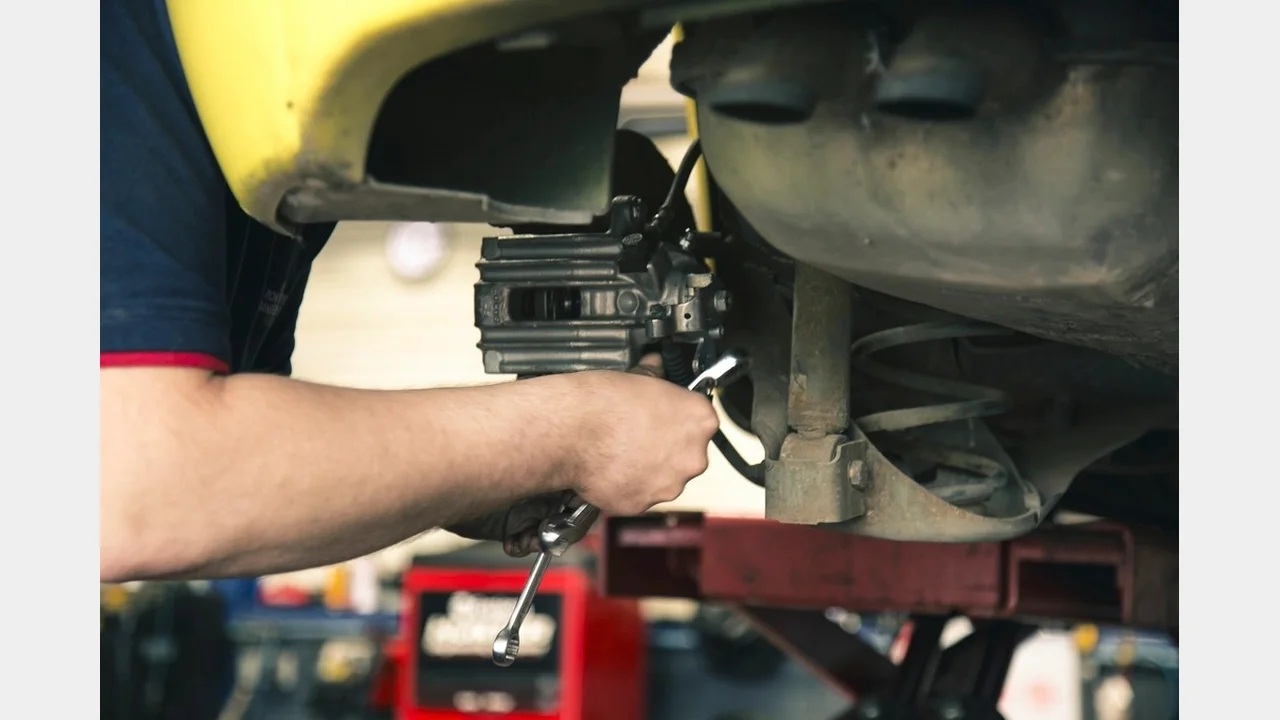
A car maintenance schedule is the list of inspections, fluid changes and part replacements a vehicle needs over its life. Each item comes due at a mileage interval or a time interval, whichever arrives first. The schedule in your owner's manual or factory maintenance guide is the authority for your specific car. This guide explains how those schedules are built, what they usually include, and how to read them so you know when service is due and what it is likely to involve.
The Short Answer
Follow the schedule for your exact model year, engine and transmission, and service each item at the mileage or time limit, whichever comes first. Between scheduled visits, check tires, fluids, lights and warning indicators yourself. Intervals vary a lot between manufacturers, powertrains and driving conditions, so a generic chart can only help you plan. It should not replace the manufacturer's schedule. One qualification changes the answer for many drivers: if your driving counts as severe service, you should normally use the shorter intervals the manufacturer lists for those conditions.
Time vs. Mileage: Why Both Matter
Most schedule items carry two limits, such as a number of miles and a number of months. Mileage tracks wear from use: friction, heat cycles and load on parts like brakes, tires and engine oil. Time tracks aging that happens even when the car sits. Rubber hoses and belts harden. Brake fluid absorbs moisture from the air. Coolant additives break down. Batteries lose capacity.
The "whichever comes first" rule exists because many drivers hit one limit long before the other. A car driven only short distances may reach its time limit on oil changes well before the mileage limit. A high-mileage commuter will usually hit the mileage figure first. If you drive little, do not assume a low odometer reading means service can wait.
Normal vs. Severe Service Schedules
Many manufacturers publish two sets of intervals. The normal schedule assumes moderate driving in mild conditions. The severe schedule, sometimes called special operating conditions, shortens intervals for driving that is harder on the vehicle. Conditions commonly listed include:
Frequent short trips where the engine does not fully warm up; Stop-and-go city traffic or long periods of idling; Towing a trailer or carrying heavy loads; Driving on dusty, muddy, gravel or salted roads; Sustained operation in very hot or very cold climates; Mountainous driving with long climbs and descents; Commercial use such as delivery, ride-hailing or police work
Many everyday drivers meet at least one of these conditions without realizing it. Check how your manufacturer defines severe service and compare it honestly with how you use the car.
Maintenance Reminder Systems
Many modern vehicles have an oil life monitor or maintenance minder. It estimates when service is due from factors such as engine revolutions, operating temperature and trip length, and does not simply count miles. When the display says service is due, the car's software has decided an interval has been reached. Some systems also show codes that indicate which items to address.
These systems are designed to be followed, but they have limits. Most still enforce a maximum time interval. They cannot see fluid levels, leaks or tire damage. They also must be reset after service, or the next reminder will be wrong. Treat the reminder as one input alongside the written schedule and your own checks.
Basic Car Maintenance Checklist: Checks You Can Do Yourself
These quick inspections need no special tools and catch many problems early. A monthly routine and a check before any long trip is a sensible habit.
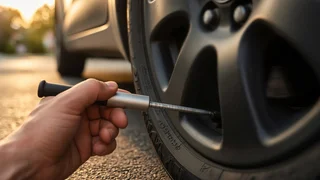
Tire pressure: check when the tires are cold and compare with the placard, usually on the driver's door jamb, not the maximum printed on the sidewall; Tire condition: look for uneven wear, bulges, cuts, embedded objects and low tread; Engine oil level: use the dipstick or the electronic oil level display, following the manual's procedure; Coolant level: check the overflow reservoir only when the engine is cool; Brake fluid level: note the level in the reservoir, since a dropping level can indicate pad wear or a leak; Windshield washer fluid: top up as needed; Lights: confirm headlights, brake lights, turn signals, reverse lights and hazard lights all work; Wipers: replace blades that streak, chatter or leave unwiped areas; Warning lights: do not ignore any dashboard indicator that stays on after startup; Leaks: look under the parked car for fresh drips and note their color and location
Car Maintenance Schedule by Mileage: Typical Milestones
The table below shows where common service items often fall on many gasoline cars. The ranges are broad on purpose. Actual intervals depend on the manufacturer, engine design, fluid specification and driving conditions. Some items on this list do not apply to every car. Some engines use a timing chain instead of a belt, and some transmissions are described as filled for life under normal use. Use this table to anticipate costs and questions, then confirm every figure against your own schedule.
Service item | Where it commonly falls | What drives the interval; Engine oil and filter | Every few thousand to around ten thousand miles, or roughly every six to twelve months | Oil type, engine design, oil life monitor, severe use; Tire rotation | Often at or near each oil change | Drive layout, tire type, wear pattern; Multi-point inspection | At most routine service visits | Dealer or shop practice; Engine air filter | Commonly inspected regularly and replaced every couple of years or tens of thousands of miles | Dust and road conditions; Cabin air filter | Often yearly or at similar mileage | Pollen, dust, city driving; Brake fluid | Many manufacturers specify replacement by time, often every few years | Moisture absorption over time; Coolant | Long-life coolants often run many years before the first replacement | Coolant type and manufacturer spec; Spark plugs | Long-life plugs in many modern engines last into the high tens of thousands or around 100,000 miles | Plug material and engine design; Automatic transmission fluid | Varies widely, from regular intervals to only under severe use | Transmission design and use; Timing belt (if equipped) | Replaced at a specified mileage or age, often in the higher mileage range | Engine design; failure can cause serious engine damage on some engines; Drive (serpentine) belt and hoses | Inspected regularly, replaced when cracked, glazed or soft | Age, heat and condition; Battery | Tested periodically; many last several years | Climate, especially heat, and driving pattern
Annual Car Maintenance Checklist
Even if you drive only a few thousand miles a year, some service is driven by the calendar. A yearly visit, or one timed with the change of seasons, typically covers:
Oil and filter change if the time limit has been reached, regardless of mileage; Battery test, ideally before winter or a hot summer; Brake inspection covering pads, rotors, lines and fluid condition; Suspension and steering check for worn components, leaks or play; Inspection of belts, hoses and visible fluid lines; Cabin air filter replacement if specified; Wiper blade replacement; Tire check, including the spare if the car has one, and a decision on seasonal tires where relevant; Check for open safety recalls on your vehicle
Car Maintenance at 100k Miles and Beyond
Around 100,000 miles is a common milestone because several long-interval items tend to come due near it. On many vehicles that can include spark plugs, a timing belt where fitted, coolant, and an inspection or fluid service for the transmission and other drivetrain parts. This service is often more expensive than routine visits. Review the schedule ahead of time so the cost is not a surprise.
A well-maintained car can stay reliable well past this point. The emphasis shifts from preset intervals toward condition. For a high-mileage vehicle, pay closer attention to:
Oil consumption between changes, which can rise as engines age; Leaks from gaskets and seals; Suspension parts such as shocks, struts, bushings and ball joints; Engine and transmission mounts, often noticed as extra vibration or clunks; Cooling system parts including the radiator, water pump and hoses; All-wheel-drive and four-wheel-drive fluids such as differential and transfer case oil, where applicable; Wheel bearings, often heard as a hum that changes with speed
If you bought a used car without service records, a sensible step is to have a qualified technician inspect it. Based on that inspection, consider doing the overdue time-based items, such as fluids and filters, so you have a known starting point.
Hybrids and Electric Vehicles
Hybrids still have a gasoline engine and generally follow engine-related intervals, though their schedules may differ from comparable conventional cars. Battery electric vehicles skip oil changes, spark plugs and many engine items. They still need tire rotation and replacement, brake fluid service, cabin filter changes, inspection of suspension and steering, and attention to battery coolant if the manufacturer specifies it. EVs are often heavy, which can affect tire wear. Because regenerative braking does much of the slowing, the friction brakes may see less wear but can corrode from low use. Requirements vary considerably by model, so the manufacturer's schedule matters even more here.
When Car Service Is Overdue
Missing an interval by a small margin rarely causes immediate harm, but the risk grows the longer service is put off. Degraded oil protects the engine less well. Moisture-laden brake fluid can lower brake performance under heavy use. A neglected timing belt can fail without warning, and on some engines that causes major internal damage. If service is overdue, schedule it soon rather than waiting for the next round-number milestone.
Records also matter for warranty coverage. If a covered component fails, the manufacturer may ask for proof that required maintenance was done. In the US, you generally do not have to use the dealer for routine service to keep a warranty valid. However, the work must meet the manufacturer's specifications, and you should keep receipts showing dates, mileage, parts and fluids used.
How to Build Your Own Maintenance Plan
Find the official schedule for your exact year, model, engine and transmission, in the owner's manual or maintenance guide; Decide honestly whether the normal or severe schedule fits your driving; Record your current mileage and the date and mileage of the last service for each item; Note both limits for each item and track whichever will arrive first; Keep a simple log, on paper, in a spreadsheet or in an app, with receipts for every service; Add your own monthly checks and a pre-trip routine; Review upcoming major milestones a few months ahead so you can budget for them; Get unusual noises, smells, vibrations or warning lights checked promptly instead of waiting for the next scheduled visit
Car Maintenance Cheat Sheet
Your manufacturer's schedule overrides any generic chart; Service at the mileage or time limit, whichever comes first; Use the severe schedule if your driving matches its conditions; Maintenance reminders help, but they do not replace visual checks; Check tires, fluids and lights monthly and before long trips; Time-based items like brake fluid, coolant and batteries age even when the car sits; Plan for larger services around major milestones such as 100,000 miles; Keep records of every service with date, mileage and parts used