Routine Car Maintenance Schedule and Service Checklist

Common maintenance on cars is a repeating set of inspections, fluid and filter changes, and wear-part replacements. These tasks keep a vehicle safe, reliable and efficient. The core list is similar for most passenger vehicles: engine oil and filter, tires, brakes, fluids, filters, battery, lights, wipers, belts and hoses. The timing is not universal. Each vehicle's owner's manual sets the intervals, and they vary by make, model year, engine, powertrain and how the car is driven. This guide explains what a routine schedule includes, how the tasks are usually grouped, and how to turn that into a usable service checklist.
The short answer: what routine maintenance covers
A general car maintenance checklist combines three kinds of work:
Quick checks an owner can do at home. Scheduled services performed at set mileage or time intervals. Less frequent component replacements tied to major milestones.
When people ask for a full car service or complete auto maintenance, they usually mean a bundled visit that covers the scheduled items due at that point, plus a multi-point inspection. The official car service requirements for a specific vehicle are the ones in its maintenance schedule. Shop menus and general guides should be read as recommendations layered on top of that schedule.
Two qualifications change the answer more than any other:
Driving conditions. Most manufacturers publish a normal schedule and a severe-service schedule. Severe service usually includes frequent short trips, extreme heat or cold, dusty roads, towing, heavy loads and stop-and-go traffic. Many everyday drivers fall into that category without realizing it. Powertrain. Battery-electric vehicles skip oil changes and many engine-related items. Hybrids still need engine service but may wear brakes differently because of regenerative braking.
Why vehicle maintenance matters
Regular service catches small problems before they become expensive or dangerous ones:
Worn brake pads can damage rotors if they are ignored. Low coolant can lead to overheating. Underinflated tires wear unevenly, reduce fuel economy and handle worse in an emergency maneuver.
Beyond safety and cost, keeping up with the schedule supports warranty claims, which can depend on proof that required service was performed. It also helps resale value, because buyers and dealers look for documented care.
How maintenance intervals are set
Manufacturers express intervals as mileage, time, or both, typically "whichever comes first." The time limit matters for low-mileage cars. Oil, brake fluid and coolant degrade with age even when the car sits.
Many newer vehicles use an oil-life or maintenance-minder system. It estimates service timing from engine operating data rather than a fixed mileage, and it may display codes for which items are due. When a car has such a system, following it alongside the printed schedule is generally the intended approach.
Because exact intervals differ so widely, this guide groups tasks by typical cadence rather than giving mileage figures. Look up your own vehicle's numbers in the owner's manual or maintenance booklet.
Easy car maintenance you can do yourself
Light vehicle maintenance does not require a lift or special tools. Learning these checks is the most practical way to start car maintenance, and doing them regularly, often monthly and before long trips, catches most developing issues early.
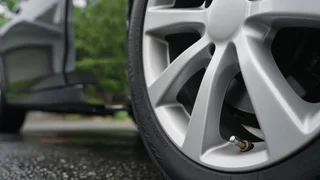
Tire pressure: check when tires are cold, against the pressure on the driver's door-jamb placard, not the maximum printed on the sidewall. Include the spare if the car has one. Tire tread and condition: look for uneven wear, cuts, bulges or embedded objects. Engine oil level: check on level ground using the dipstick or the electronic oil-level display, following the manual's procedure. Coolant level: check the reservoir only with the engine cool. Never open a hot radiator cap. Brake fluid level: a falling level can indicate pad wear or a leak. Windshield washer fluid: top up as needed. Lights: verify headlights, high beams, brake lights, turn signals, reverse lights and hazard lights. Wiper blades: replace them if they streak, chatter or skip. Dashboard warning lights: note any that stay on after startup and have them diagnosed.
Scheduled services: the core of a full car service checklist
These items are normally handled by a technician, or by an experienced home mechanic, at the intervals in the maintenance schedule. Together they make up what most shops call general car service or comprehensive car service.
Item | What is done | Typical cadence (confirm in your manual); Engine oil and filter | Drain and replace oil with the specified grade; replace filter | Most frequent scheduled service; by mileage, time or oil-life monitor; Tire rotation | Move tires between positions to even out wear | Often paired with oil service on many vehicles; Multi-point inspection | Visual check of brakes, suspension, steering, exhaust, leaks, belts, hoses | At each routine service visit; Engine air filter | Inspect and replace when dirty | Periodically; sooner in dusty conditions; Cabin air filter | Replace to maintain HVAC airflow and air quality | Periodically, per schedule; Brake pads and rotors | Measure wear and replace as needed | Inspected at routine visits; replaced by condition; Brake fluid | Flush and replace | By time interval in many schedules, since fluid absorbs moisture; Battery | Test charge and cranking ability; clean terminals | Annually or at routine visits, especially as the battery ages; Wheel alignment | Check and adjust | When wear is uneven, after impacts, or when replacing tires
Major-milestone maintenance
A smaller group of services comes due far less often. Because they are infrequent, they are easy to forget, and skipping some of them can cause serious damage.
Coolant replacement: long-life coolants still have a specified service life. Transmission fluid: schedules range from periodic changes to "lifetime" fill. Severe-service use often shortens the interval, and the correct fluid type is critical. Spark plugs: on gasoline engines, replaced at a long interval that varies by plug type and engine design. Timing belt: engines that use a belt rather than a chain have a mandatory replacement interval. On some engine designs, a failed belt can cause major internal damage. Drive belts and hoses: inspected regularly and replaced when cracked, glazed or soft. Differential and transfer case fluids: relevant to all-wheel-drive, four-wheel-drive and rear-wheel-drive vehicles. Fuel filter: serviceable on some vehicles; built into the fuel pump assembly and not routinely replaced on many others.
How maintenance differs for hybrids and EVs
Hybrids keep nearly all conventional engine maintenance. Some also have a separate cooling circuit for the inverter or battery. Regenerative braking typically reduces how often brake pads wear out, but brake fluid still ages and calipers can corrode from light use.
Battery-electric vehicles drop oil changes, spark plugs and exhaust work. A maintenance plan for an EV still covers:
Tires, which can wear faster because of vehicle weight and instant torque. Brakes and brake fluid. Cabin air filter. Wipers. Suspension. Battery thermal-management coolant, where the manufacturer specifies it. The 12-volt auxiliary battery.
Building your own car service sheet
A simple car service sheet turns the manufacturer schedule into something you can actually follow. Set it up once, then update it after every check or visit.
Copy the manufacturer's maintenance intervals for your exact model year and powertrain into a table. Decide honestly whether your driving fits the normal or the severe-service schedule. Add columns for date, odometer reading, work performed, parts and fluids used, and who did the work. Add a row for monthly owner checks so they become a habit. Note the next due date and mileage for each item, so you can see what is coming before the car reminds you.
Date | Odometer | Service performed | Parts / fluids | Performed by | Next due; __ | __ | Oil and filter change | oil, filter __ | __ | ____; __ | __ | Tire rotation / pressure set | — | __ | ____; __ | __ | Cabin air filter | Filter __ | __ | ____
Keeping maintenance records for your car
Good maintenance records serve several purposes:
Warranty support: they show that required service was performed. Diagnosis: they help a technician spot patterns, such as a recurring leak or repeated battery replacements. Resale: they give a future buyer confidence in how the vehicle was treated.
Keep every receipt and invoice, including those for parts you install yourself, and note the odometer reading on each. A folder, a spreadsheet or a maintenance-tracking app all work. What matters is that the record is complete and consistent. Some dealers and connected-car services also keep digital service histories, but an owner-held copy is still worth having.
Choosing where to get service
In the US, routine maintenance does not generally have to be done at a dealership to keep a new-car warranty valid. Independent shops or the owner can do the work, as long as it follows the manufacturer's specifications and is documented. Use fluids and parts that meet the specifications listed in the manual, and keep proof of the work.
When a shop offers a full auto service package, compare its contents with what your schedule says is actually due. Some menu items may be optional or premature for your vehicle, while a required item may be missing.
Warning signs that should not wait for the next scheduled visit
A flashing check-engine light, or any red warning light. Grinding, squealing or pulsing when braking, or a soft or sinking brake pedal. The temperature gauge rising above normal, or steam from under the hood. Fluid puddles under the car, especially red, green, orange or brown fluid. Pulling to one side, vibration through the steering wheel, or clunks over bumps. Slow cranking, dim lights or electrical glitches. Smells of burning oil, coolant or fuel.
Putting it together
Maintaining a vehicle well comes down to four habits:
Know your car's schedule. Choose the right schedule for how you drive. Do the simple monthly checks yourself. Keep a clear record of everything that gets done.
The general checklist above covers the common maintenance most cars need. Your owner's manual supplies the exact intervals and specifications for your model year and powertrain.