Routine Vehicle Maintenance Schedule and Checklist
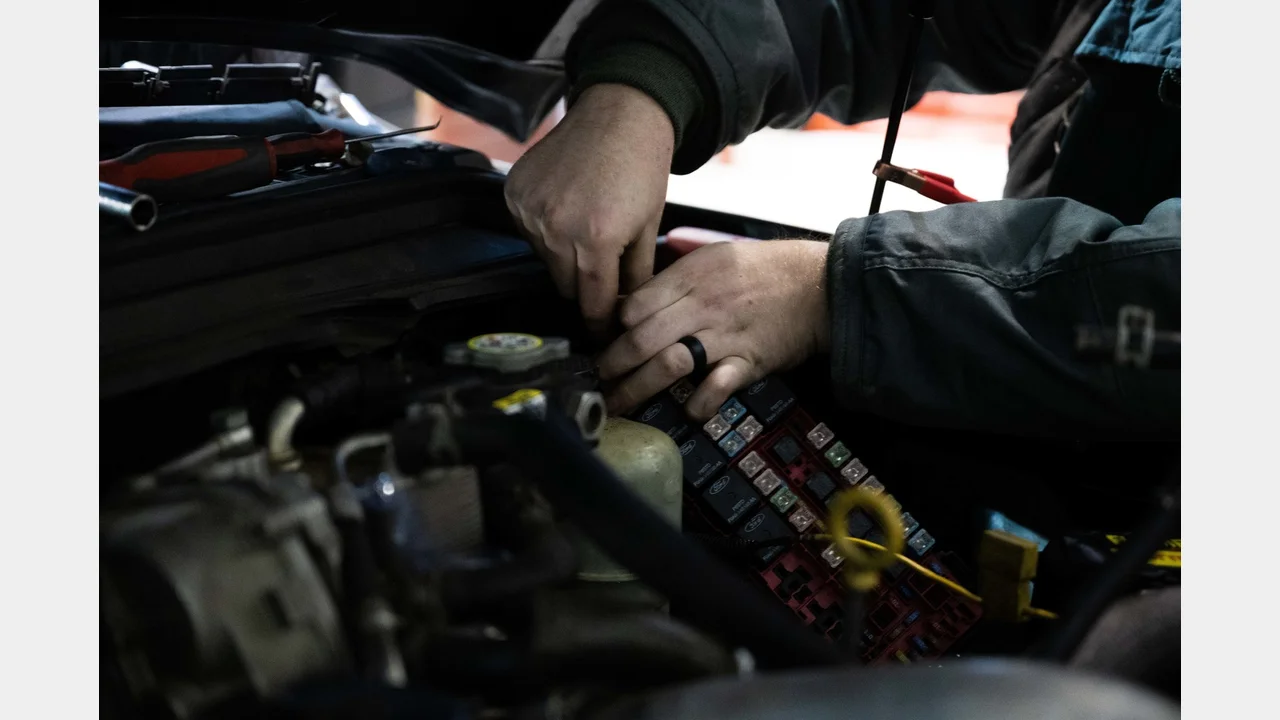
Routine vehicle maintenance is the set of scheduled inspections, fluid changes and part replacements that keep a car safe, reliable and within warranty terms. The short answer to "what should I do and when" is that your owner's manual or the manufacturer's maintenance schedule sets the authoritative intervals for your specific vehicle. Those intervals depend on model year, engine or powertrain, and how the car is driven. A general checklist, like the one below, helps you understand what those schedules contain, what you can check yourself, and how to keep records. It does not replace the schedule for your exact vehicle.
How Maintenance Schedules Work
Manufacturers publish service intervals based on distance traveled, elapsed time, or both, with the rule usually being "whichever comes first." A car that is driven very little still needs time-based service, because fluids degrade, rubber parts age and batteries lose capacity even when the vehicle sits.
Many modern vehicles also use an oil life monitor or service reminder system. Instead of a fixed mileage, the system estimates when service is due based on engine operating data such as temperature, revolutions and trip length. When a car has one, the manufacturer typically expects owners to follow it, while still respecting any maximum time limit stated in the manual.
Normal vs. Severe Service
Most schedules distinguish between normal and severe (sometimes called special or extreme) operating conditions. Severe service usually calls for shorter intervals for oil, filters and some fluids. Conditions that manufacturers commonly classify as severe include:
Frequent short trips where the engine does not fully warm up; Heavy stop-and-go city traffic or extended idling; Towing a trailer or carrying heavy loads; Driving on dusty, muddy, gravel or salted roads; Operation in very hot or very cold climates; Rideshare, delivery or other commercial-style use
Many everyday drivers fall into at least one of these categories without realizing it. Checking which column of the schedule applies to you is one of the most useful things you can do when planning preventative car maintenance.
Vehicle Maintenance Checklist by Frequency
The table below groups common tasks by how often they are typically performed. The frequencies are general categories rather than precise intervals; the exact distances and months for your vehicle come from its maintenance schedule.
Frequency | Item | What to look for; Regularly (e.g., at fuel stops or weekly) | Tire condition | Visible damage, bulges, nails, uneven wear; Regularly | Lights and signals | Headlights, brake lights, turn signals, reverse lights working; Regularly | Warning lights | Any dashboard warning that stays on after startup; Monthly | Tire pressure | Cold pressure matching the placard on the driver's door jamb, including the spare if equipped; Monthly | Engine oil level | Level between dipstick marks on vehicles that have a dipstick; Monthly | Coolant level | Level in the overflow reservoir between marks, checked with the engine cool; Monthly | Washer fluid and wipers | Fluid topped up; blades clearing without streaks or chatter; Each oil service | Oil and oil filter | Replaced per schedule or oil life monitor; Each oil service | Tire rotation | Rotated according to the pattern and interval in the manual; Each oil service | Multipoint inspection | Brakes, belts, hoses, suspension, leaks, battery condition; Periodically per schedule | Engine air filter | Replaced sooner in dusty conditions; Periodically per schedule | Cabin air filter | Reduced airflow or musty odors suggest it is due; Periodically per schedule | Brake fluid | Replaced on a time-based interval in many schedules, since it absorbs moisture; Longer intervals per schedule | Coolant, transmission fluid, differential/transfer case fluid | Replacement intervals vary widely by vehicle; Longer intervals per schedule | Spark plugs | Gasoline engines only; interval depends on plug type and engine; Longer intervals per schedule | Timing belt (if equipped) | Many engines use a chain instead; belt-equipped engines have a firm replacement interval; As needed | Battery | Slow cranking, corrosion on terminals, or a failed load test; As needed | Brake pads and rotors | Squealing, grinding, vibration or a pedal that feels different
Checks You Can Do Yourself
Much of regular car maintenance between shop visits takes only a few minutes and no special tools beyond a tire pressure gauge. Checking tire pressure when the tires are cold, looking at fluid levels, testing lights with a helper or a reflective surface, and inspecting wiper blades catch many problems early. Anything involving brakes, suspension, steering, fuel systems or high-voltage components on hybrids and electric vehicles is better left to a qualified technician unless you have the training and equipment.
What a 60,000 km Service Usually Involves
In the US, schedules are usually written in miles, but many owners, especially those with vehicles imported from or documented for other markets, see a "60,000 km service." That distance is roughly 37,000 miles. Because it falls at a common multiple of shorter intervals, it often coincides with a larger service rather than a basic oil change.
What is included depends entirely on the vehicle, but a service at this stage commonly combines routine work with items that come due less often. Typical candidates include:
Engine oil and filter replacement; Tire rotation and a check of tread depth and alignment-related wear; Engine and cabin air filter replacement; Brake inspection, and brake fluid replacement if the time or distance interval has been reached; Inspection of drive belts, hoses, suspension components and the exhaust system; Coolant condition check, with replacement only if the schedule calls for it; Spark plugs on some gasoline engines, depending on plug type; Transmission or driveline fluid inspection or service on some models
Some items on that list may not be due on your vehicle, and some vehicles may require items not listed. When a shop quotes a milestone service, compare it line by line against the manufacturer's schedule. Dealer or shop "service packages" sometimes include extra work, such as fluid flushes or additive treatments, that the manufacturer does not require at that point.
How Powertrain Changes the Schedule
Not every vehicle needs the same maintenance. The type of powertrain materially changes what appears on the schedule:
Gasoline vehicles: the familiar schedule of oil changes, filters, spark plugs and periodic fluid replacements. Diesel vehicles: may add fuel filter replacement, water separator draining, and diesel exhaust fluid refills on models with selective catalytic reduction systems. Hybrid vehicles: still need engine oil and related service, but regenerative braking often reduces brake wear; some also have inverter or battery cooling systems with their own service items. Battery electric vehicles: no engine oil, spark plugs or exhaust, but still need tire rotations, brake fluid, cabin filters, coolant for battery thermal management on many models, and inspection of brakes that may corrode from light use.
Using a Vehicle Inspection Sheet
A vehicle inspection sheet is a structured form, often called a multipoint inspection, that a technician fills out during service. It typically rates each item as acceptable, needing attention soon, or needing immediate attention, often with green, yellow and red markings. It is a useful snapshot of the car's condition, but it is not the same as the maintenance schedule: the schedule tells you what is due, while the inspection sheet tells you what was observed.
When you receive an inspection sheet, ask the technician to explain anything marked for attention, including measurements such as remaining brake pad thickness or tire tread depth if they were recorded. Keeping these sheets lets you see trends over time, such as brake wear progressing faster than expected.
Keeping a Vehicle Maintenance Log Book
A maintenance log book is a running record of every service performed on the vehicle. It can be a paper booklet, a spreadsheet or an app. A complete log helps you know what is due next, supports warranty claims by showing that required maintenance was done, and can increase buyer confidence when you sell the car. Keep receipts alongside the log, since they show the parts and fluids used.
Each entry should capture enough detail that someone else could understand exactly what was done. A simple template might look like this:
Date | Odometer | Service performed | Parts/fluids used | Performed by | Cost | Next due; YYYY-MM-DD | __ | Oil and filter change, tire rotate | Oil spec _, filter # | Shop / Self | __ | ____; YYYY-MM-DD | __ | Cabin air filter | Filter #_ | Self | | ____
If you do your own maintenance, record the oil specification and part numbers you used and keep purchase receipts. In the US, a manufacturer generally cannot void a warranty simply because maintenance was performed by an independent shop or the owner, but you may need to show that the work was done on time and with parts and fluids meeting the required specifications.
Signs You Shouldn't Wait for the Next Scheduled Service
A schedule covers predictable wear, not sudden faults. Have the vehicle checked promptly if you notice any of the following, regardless of when the next service is due:
A warning light that stays on, especially a flashing check engine light, oil pressure light or brake warning; Grinding, squealing or pulling when braking; Fluid puddles under the car; Overheating or a temperature gauge reading higher than usual; New vibrations, clunks or changes in steering feel; Smoke from the exhaust or unusual smells such as burning oil or a sweet coolant odor; Hard starting or a battery that struggles to crank the engine
Putting It Together
Effective vehicle maintenance comes down to three habits: follow the manufacturer's schedule for your exact model and powertrain, using the severe-service column if your driving fits it; perform quick routine checks of tires, fluids and lights between visits; and record every service in a log book with receipts. With those in place, milestone services like the 60,000 km visit become easier to evaluate, inspection sheets become more meaningful, and you are better positioned to spot genuine problems early rather than paying for work the car does not yet need.