Mazda and MX-5 Miata EGR Valve Problems: Symptoms, Location and Replacement
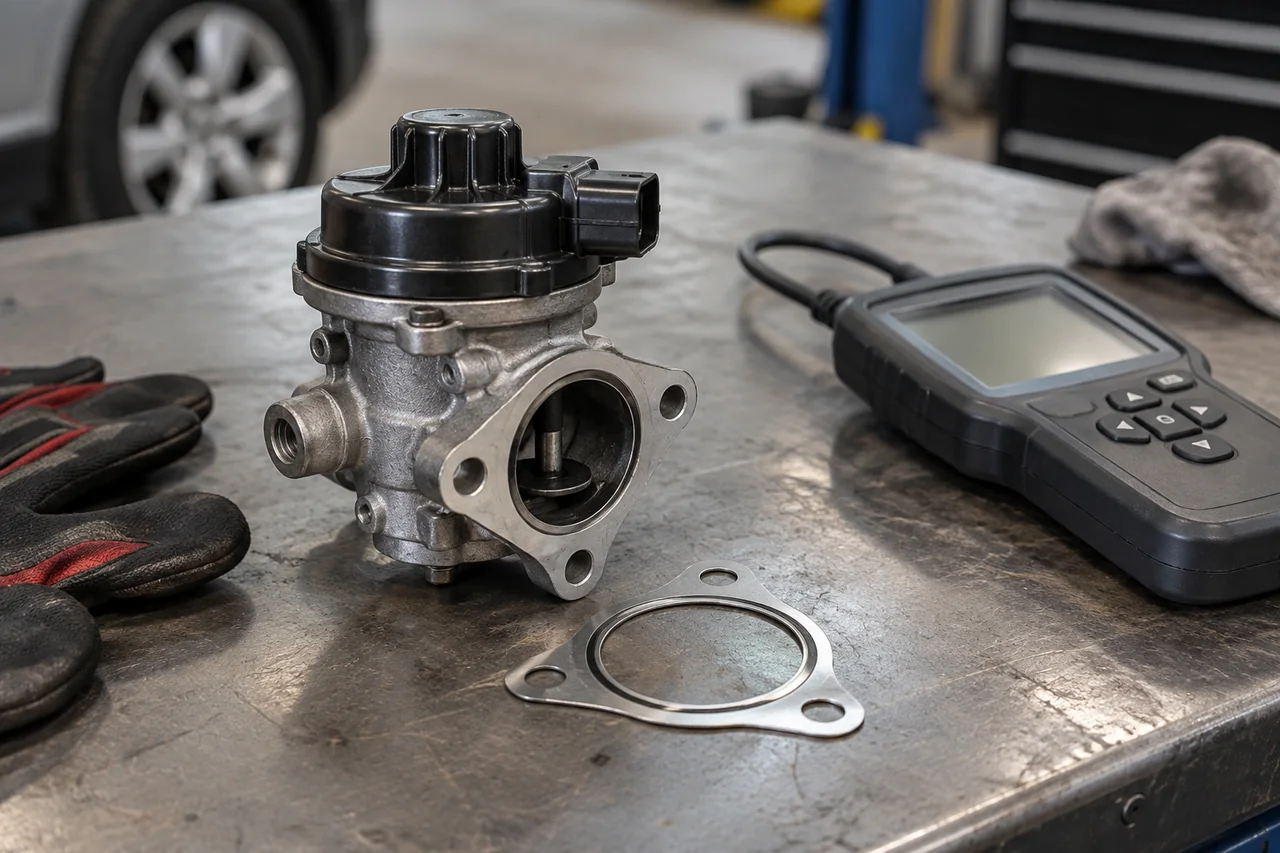
Mazda engines use an exhaust gas recirculation (EGR) valve to reduce nitrogen oxide emissions, but when the valve or its control circuit malfunctions, drivers may notice a rough idle, hesitation, or an illuminated check engine light. This guide explains how the system works, common failure symptoms, Miata-specific considerations, code interpretation, location, replacement, and post-repair verification, helping you diagnose and address EGR issues accurately and safely.
What the EGR Valve Does on a Mazda Engine
The EGR valve meters a controlled amount of exhaust gas back into the intake manifold. Because exhaust gas is largely inert, it displaces oxygen and lowers peak combustion temperatures, which reduces the formation of nitrogen oxides (NOx). By managing this recirculation, the engine maintains acceptable emissions while also helping to prevent detonation under certain conditions.
Mazda vehicles use either vacuum-operated or electronically controlled EGR valves, depending on the application. Vacuum designs rely on engine vacuum and a control solenoid, while electronic versions use a motor or solenoid driven by the powertrain control module. Because EGR hardware varies by model, engine, model year, and emissions market, consult your vehicle’s documentation before assuming a specific type. Also consider related components such as EGR passages, hoses, solenoids, and position sensors, as any of these can affect flow.
Common Signs of a Failing Mazda EGR Valve
A failing EGR valve can produce a rough or unstable idle, engine hesitation, stalling, pinging under load, an illuminated check engine light, or a failed emissions test. The nature of the failure determines the symptoms: a valve stuck open typically causes a rough idle, stumbling, and possible stalling because exhaust gas dilutes the intake charge at low speeds. A valve stuck closed or clogged often leads to elevated NOx emissions and possible pinging or knocking under load, because combustion temperatures rise without the cooling effect of recirculated gas.
However, these symptoms overlap with many other faults, including vacuum leaks, a dirty throttle body, ignition misfires, and sensor problems. To help a technician narrow the cause, note when the symptoms occur: during cold starts, at idle, while cruising, or under hard acceleration. This information, combined with trouble codes, guides systematic diagnosis rather than guesswork.
EGR Valves on the MX-5 Miata: Checking Your Generation First
MX-5 Miata generations and engine options differ significantly, so owners should confirm whether their car has an EGR valve and what type it uses. A VIN lookup, the emissions label under the hood, or factory service information will identify the correct system. Do not assume every MX-5 shares the same EGR design or that a particular generation commonly fails; some models may not have EGR at all depending on market and emissions standards.
Miata owners have reported rough idle, hesitation, and emissions-related warning lights that point toward EGR issues, but these symptoms require further testing rather than a confirmed diagnosis. Before ordering a replacement valve or gasket, verify part fitment by model year, engine, and market. Using an incorrect valve can cause poor operation, leaks, or codes, so cross-reference the part number with your specific vehicle.
Reading EGR Trouble Codes Without Guessing
Generic OBD-II EGR trouble codes, such as those indicating insufficient flow or circuit malfunction, describe a condition rather than a guaranteed failed valve. Because code definitions vary by manufacturer and model, you must check the Mazda-specific meaning in the service information for your vehicle before interpreting them. A code may point to the valve, wiring, a solenoid, or clogged passages.
Freeze-frame data captures engine conditions when the code set, and pending codes indicate a fault that has not yet matured. Clearing codes and seeing if they return helps determine whether the issue is intermittent or persistent. Professional testing may include scan-tool commanded tests, vacuum checks, and circuit checks. If the diagnosis is unclear or the vehicle has complex electronic controls, a shop is the better choice.
Where the EGR Valve Is Usually Found
On most Mazda engines, the EGR valve is located on or near the intake manifold or cylinder head, with a metal pipe or internal passage connecting it to the exhaust side. The exact position varies by engine, so confirm the location using a service manual or parts diagram for your exact vehicle rather than relying on a generic photo that may show a different engine.
To recognize the valve safely with the engine off and cool, look for a mounting flange, an electrical connector or vacuum line, and a connecting pipe. Exhaust components stay hot long after shutdown, so allow the engine to cool before inspection. Never inspect or run the engine in an enclosed space, and keep hands and tools clear of hot surfaces.
What EGR Valve Replacement Involves
Replacing an EGR valve generally involves disconnecting the battery if the service manual calls for it, removing electrical connectors or vacuum hoses, unbolting the valve, and fitting a new gasket. However, seized or corroded fasteners, tight access, and carbon-clogged passages can turn a simple swap into a larger job. Always use the correct gasket and avoid over-tightening.
Depending on the vehicle, cleaning EGR passages or performing a reset or relearn procedure may be required, so follow the manufacturer’s procedure. DIY replacement is reasonable when the diagnosis is confirmed and the valve is accessible, but if the diagnosis is unclear, the valve is hard to reach, or codes return after replacement, seek professional help.
After the Repair: Confirming the Fix
After replacement, verify that the check engine light stays off and that the readiness monitors complete after normal driving. Monitors may require a specific drive cycle, so consult your service information. If symptoms or codes return, the root cause may be clogged passages, wiring, a control solenoid, or another component, not the new valve.
Keep records of the codes, parts replaced, and symptoms for future diagnosis or emissions inspections. Note that deleting or disabling EGR systems on road vehicles can be illegal and cause inspection failures. A properly functioning EGR system is essential for emissions compliance and engine performance.