Symptoms of a Bad or Failing EGR Valve
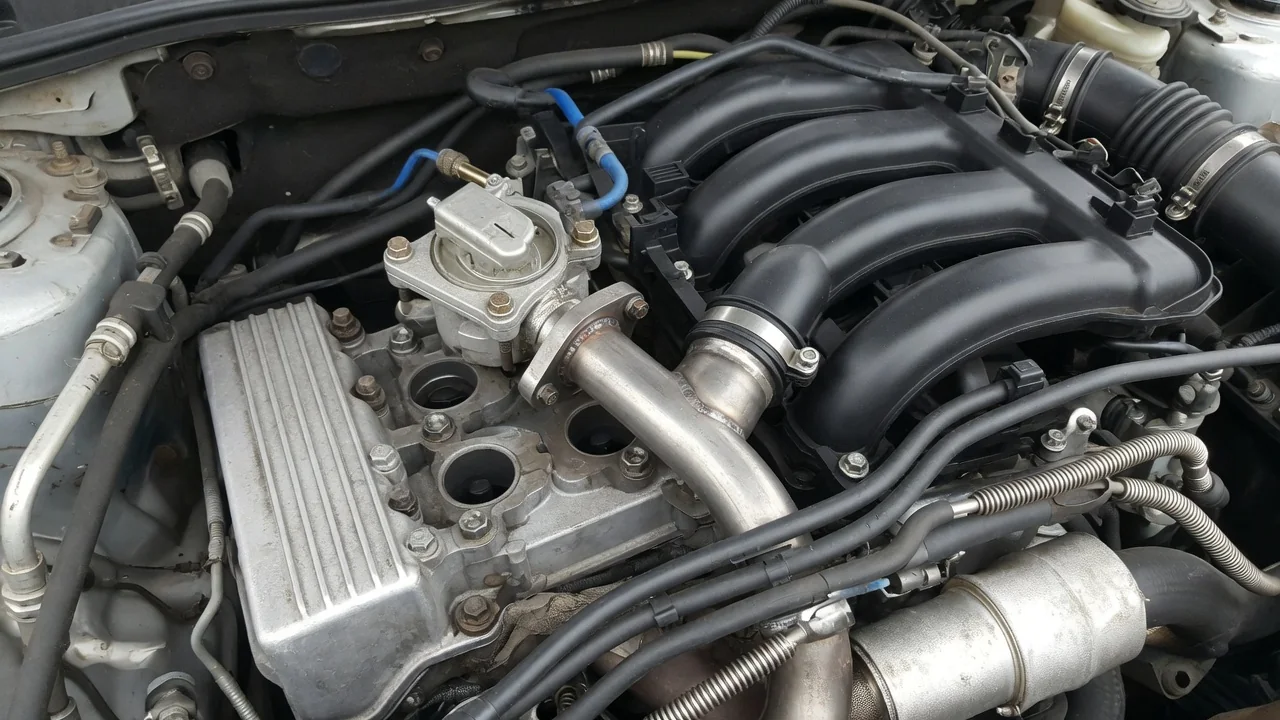
A bad EGR valve can make an engine idle roughly, hesitate, stall or trigger the check engine light. Many other faults cause the same complaints, though. This guide covers the signs of a bad EGR valve and what a failing, clogged, sticking or leaking valve can do to drivability and emissions. It also explains how to tell whether the EGR valve is really the problem and what to do next.
Warning Signs That Can Point to an EGR Fault
Common EGR valve symptoms include a rough idle, stalling at stops, hesitation when pulling away, reduced power, a lit check engine light and a failed emissions test. A faulty EGR valve rarely causes all of these at once. One vehicle may show only a warning light and drive normally, while another shakes at every red light. The pattern depends on whether the valve is stuck open, stuck closed, sticking now and then or leaking, and on how the engine uses exhaust gas recirculation.
The exhaust gas recirculation system sends a measured amount of exhaust back into the intake. That inert gas lowers peak combustion temperatures, which limits nitrogen oxide emissions. Too much flow makes combustion weak and unstable. Too little flow lets temperatures and NOx rise. Vacuum leaks, dirty throttle bodies, ignition misfires, fuel delivery faults and sensor problems can all mimic these complaints, so symptoms alone cannot prove the valve itself has failed.
Rough Idle and Stalling When the EGR Valve Stays Open
Many engines need little or no EGR flow at idle. So little fresh air enters the cylinders that there is no margin for diluted combustion. An EGR valve stuck open keeps exhaust flowing where it is not wanted, which displaces oxygen and slows the burn. The engine computer may only partly compensate. The result can be an uneven idle, an engine that shakes at a stop, or a stall as the vehicle coasts to a halt.
Engine design and operating strategy affect how stuck-open EGR valve symptoms appear. Note when the problem happens: during a cold start, only after warm-up, or mainly when coming to a stop. That timing helps a technician narrow down the cause. There is no reliable quick fix for an EGR valve stuck open. Confirming it means comparing the commanded valve operation with the actual response, position feedback and relevant flow data on a scan tool.
Hesitation, Reduced Power and Changes in Fuel Use
Incorrect EGR operation can also show up while driving. A sticking EGR valve may open at the wrong moment and cause stumbling during acceleration, engine hesitation, uneven throttle response or noticeably reduced power. Some drivers also see fuel economy drop. However, almost any poor-running condition can change fuel use, from low tire pressure to misfires, so a drop in mileage cannot point to the valve. It is useful context, not a diagnosis.
In some gasoline engines, too little recirculated exhaust can let combustion temperatures climb high enough to cause pinging or spark knock under load. Many engines never do this, and knock has other causes too. Record when symptoms appear during ordinary driving, such as light acceleration, highway cruising or climbing a hill. Don't deliberately push the engine under heavy load or cause repeated stalls to reproduce a problem, because that can be dangerous in traffic.
What Carbon Buildup and Blocked EGR Flow Can Cause
Carbon is a frequent reason an EGR valve goes bad. Exhaust carries soot and oil residue that can build up on the valve, its seat and the recirculation passages. These deposits may restrict flow, keep the valve from closing fully or make it bind, so a dirty EGR valve has no single symptom pattern. Heat cycling, worn actuators and electrical faults can also contribute to EGR valve failure.
When a blocked valve or clogged passage restricts flow, the engine may run normally while nitrogen oxide emissions rise and diagnostic trouble codes set. In that case, the only symptom of a clogged EGR valve may be a warning light, and a valve stuck closed can look much the same. Only diagnosis can tell restricted passages from a sticking valve. Visible deposits alone don't prove the valve needs replacing, and cleaning isn't guaranteed to fix the problem.
Check Engine Lights and Emissions-Test Clues
The check engine light is often the first sign of a faulty EGR valve. The codes behind it can point to too little or too much flow, an electrical circuit problem, or position feedback that doesn't match what the computer commanded. None of these automatically means the valve is bad. Code definitions and test procedures vary, and many depend on the manufacturer, so confirm the exact meaning and diagnostic procedure for the specific vehicle before drawing conclusions.
A failed emissions test or a high nitrogen oxide reading can justify a closer look at the EGR system. However, a lean fuel mixture, catalytic converter problems or overheating can also raise NOx. Before clearing anything, save the stored codes and freeze-frame data, which record the conditions when the fault set. Clearing codes erases that evidence. Also keep in mind that no warning light doesn't mean no fault, because some problems take several drive cycles to register.
Leaks and Other Faults Around the EGR Valve
A leaking EGR valve can mean two different things. An internal leak happens when the valve fails to seal, so exhaust passes into the intake even when the valve is commanded closed. This can look like a stuck-open valve. An external leak happens at a pipe, gasket or connection and lets exhaust escape into the engine bay. Possible clues include an exhaust smell, hissing or ticking, and soot around a joint, but any nearby exhaust leak can cause these.
Not every EGR valve problem involves the valve itself. Damaged wiring, corroded connectors, failed actuators and faulty sensors can all cause the system to malfunction while the valve is still fine. On engines that use vacuum controls, cracked vacuum lines or bad control solenoids can do the same. If you look under the hood yourself, stick to areas you can easily reach, with the engine off and cool. Never touch hot exhaust parts or try to find a leak by sniffing for fumes.
How to Confirm the Cause and Decide What to Do Next
Give your technician a clear record: when the symptoms occur, whether the warning light is steady, flashing or comes and goes, any stored codes, recent repairs, and any smell or noise you safely noticed. Diagnosis may include reviewing scan data, commanding the valve open and closed, checking the electrical circuits and inspecting the EGR passages using procedures for your vehicle. The repair depends on the confirmed fault, which might involve passages, controls, connections or the valve, so don't replace parts based on symptoms alone.
How long you can drive with a bad EGR valve depends on how severe the problem is. Stop safely and call for help if the engine stalls repeatedly, loses a lot of power, shows a flashing check engine light, or lets exhaust fumes into the cabin. Mild symptoms that don't go away still deserve prompt diagnosis. An unresolved EGR problem can raise emissions, cause a failed inspection and let a minor drivability complaint get worse.