EGR Valve Replacement Cost: Parts, Labor, and Gasket Work
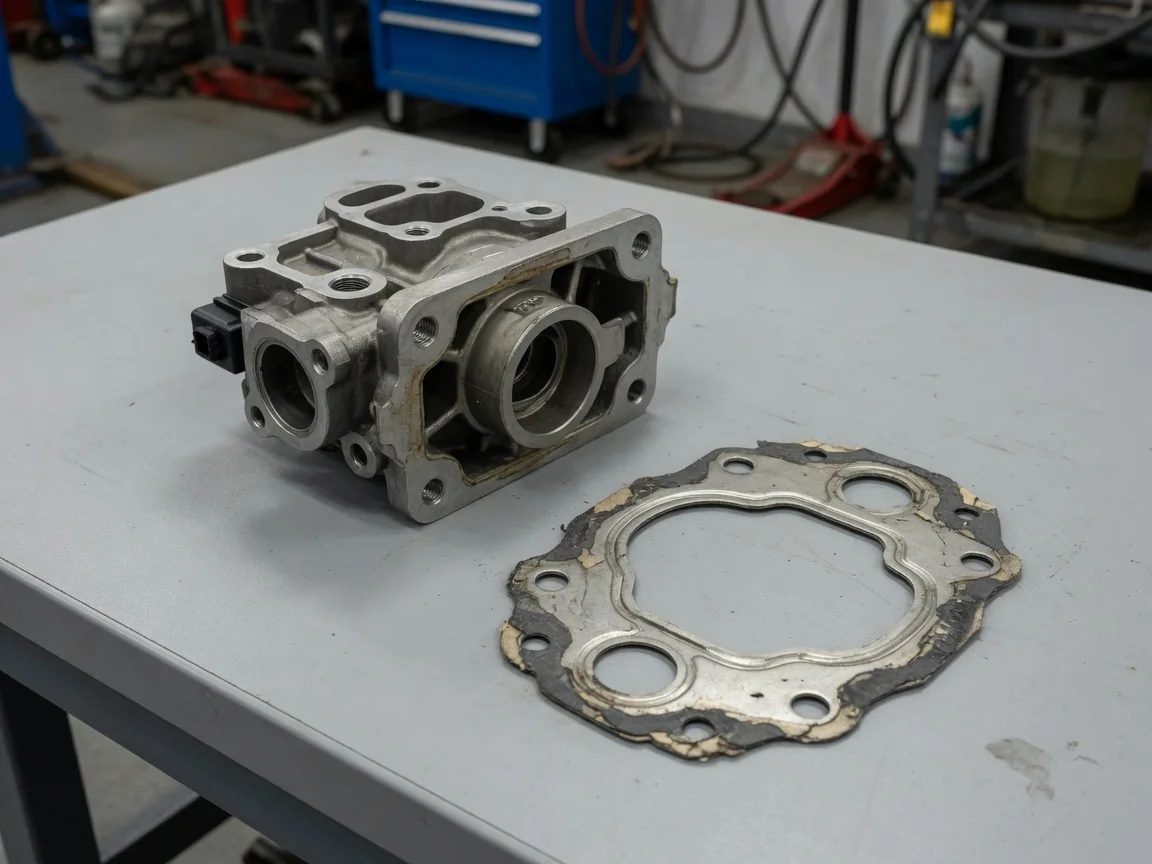
Replacing an EGR valve can be a modest repair or a surprisingly expensive one. The final bill depends on the engine, how deeply the valve is buried, and whether the real fault lies somewhere else in the exhaust gas recirculation system. If you know how parts, labor hours, gaskets, and diagnostic fees add up, you can read a quote critically and avoid paying for a valve that never needed replacing.
What an EGR Valve Replacement Estimate Includes
As a rough planning figure, a complete EGR valve replacement on many US gasoline vehicles might run from a few hundred dollars to around a thousand at an independent shop. Complex engines, dealer labor rates, or diesel systems can push the total well beyond that. These rough numbers assume a straightforward job with no seized hardware, no extra parts, and average regional labor pricing. Use any range as a starting point for discussion, not as the price you should expect to be quoted.
A useful itemized repair estimate lists the valve, labor hours, required gaskets or seals, diagnostic charges, shop supplies or environmental fees, and sales tax as separate lines. Diagnostic time is often billed on its own line, so ask whether the quoted total already includes it or whether it will be added later. To get a meaningful number, give the shop your vehicle's year, make, model, and exact engine. Pricing also varies by location, because labor rates differ widely between regions and types of shops.
How the Valve Assembly Affects Parts Cost
For the part alone, EGR valves can range from under a hundred dollars for some simpler units to several hundred dollars or more for complex electronic assemblies. Installation labor is a separate cost on top of that. Older vacuum-operated valves are mechanically simple, while many modern designs use an electronic actuator with built-in position sensing. Some valves are sold as assemblies that also include a cooler, pipe, or mounting housing. The more the supplied unit contains, the higher the parts quote, even when the core valve looks much the same.
Fitment has to be confirmed by the exact vehicle and engine, ideally by VIN. Two valves that look nearly identical can differ in connector wiring, calibration, flange shape, or internal flow. Before ordering, check whether the required EGR gasket or seals come in the box or must be bought separately, and read the warranty terms closely. A parts warranty often covers only the component, not the labor to remove and reinstall it. A part supplied by the shop may come with different protection, such as a labor warranty.
Vehicle Layout, Diesel Applications, and Labor Charges
Labor charges depend less on the price of the valve than on how hard it is to reach. On some engines the valve bolts to an accessible spot on the intake manifold. On others, technicians must first remove air intake ducting, engine covers, heat shields, or even the intake manifold itself. Local labor rates are multiplied by whatever time the job takes. Corroded or seized fasteners, a common problem on hardware exposed to exhaust heat, can add unplanned hours if bolts break or threads need repair.
Body style is a poor way to predict price. A compact car with its engine tucked tightly against the firewall can cost more to service than a pickup with an exposed valve. Diesel quotes deserve extra scrutiny because diesel EGR systems often include coolers, bypass valves, and passages heavy with soot. Confirm whether a diesel quote covers the valve alone or additional components. Also ask whether your vehicle needs a relearn or adaptation reset, and whether the estimate includes a scan and test drive to verify the repair.
What EGR Valve Gasket Replacement Covers
The EGR gasket seals the joint between the valve and its mounting surface. It keeps exhaust gas from escaping and stops unmetered air from getting in. A leaking gasket can cause symptoms or codes that look like a failing valve. For that reason, a confirmed sealing fault should be written up as its own repair rather than folded into a vague valve replacement. The gasket itself is usually inexpensive, but reaching the sealing surfaces often takes as much labor as removing the valve.
An estimate for gasket work should list the gasket price and the access labor as separate items. It should also include time to clean the mounting surfaces if they carry heavy carbon buildup. Removing the valve to replace a gasket does not prove the valve needs replacing. The valve should be judged on test results, not on the fact that it is already off the engine. If the valve is being replaced too, confirm the quote includes the required seals and does not charge the same access labor twice.
Confirming the Fault Before Authorizing Replacement
An EGR problem may show up as a check engine light, a rough idle, hesitation when accelerating, pinging under load, or a failed emissions test. None of these symptoms proves the valve has failed. Vacuum leaks, ignition faults, fuel delivery problems, and sensor errors can cause similar behavior. Even an EGR-related trouble code only reports what the engine computer detected, such as recirculation flow that is too high or too low. The code does not tell you which component caused the problem.
Before a valve is condemned, a technician may need to check the EGR passages for clogging, inspect wiring and connectors, confirm the control signal, and verify related sensors. Some codes are manufacturer-specific and mean different things across brands, so they must be checked against service information for your exact vehicle. As an owner, note any warning messages and when symptoms happen, such as on cold starts or highway merges, and leave the testing to a professional. If the vehicle suddenly loses a lot of power or stalls, get safely off the road and arrange a tow.
When Cleaning or a Targeted Repair May Resolve the Problem
Cleaning can make sense when testing shows carbon buildup restricting the valve or clogging EGR passages, but the valve still moves and its actuator and sensor respond correctly. Replacement is the better choice when the electronic actuator has failed, or when the housing or valve seat is cracked or warped. It also makes sense when the position sensor reads incorrectly or the valve still cannot open and close properly after an approved cleaning. The decision should be based on how the valve tests, not on how dirty it looks.
An estimate for cleaning or a targeted repair should include diagnostic labor, access and cleaning time, any seals disturbed during the work, and a check afterward to confirm the fix. Cleaning is not guaranteed to work, especially if deposits have damaged internal parts or clogged passages elsewhere in the system. Before authorizing work, agree on exactly what the shop will do. Ask how charges will be handled if cleaning fails and a new valve is needed, including whether any cleaning labor can be credited toward the replacement.