How to fix FM radio static in a car
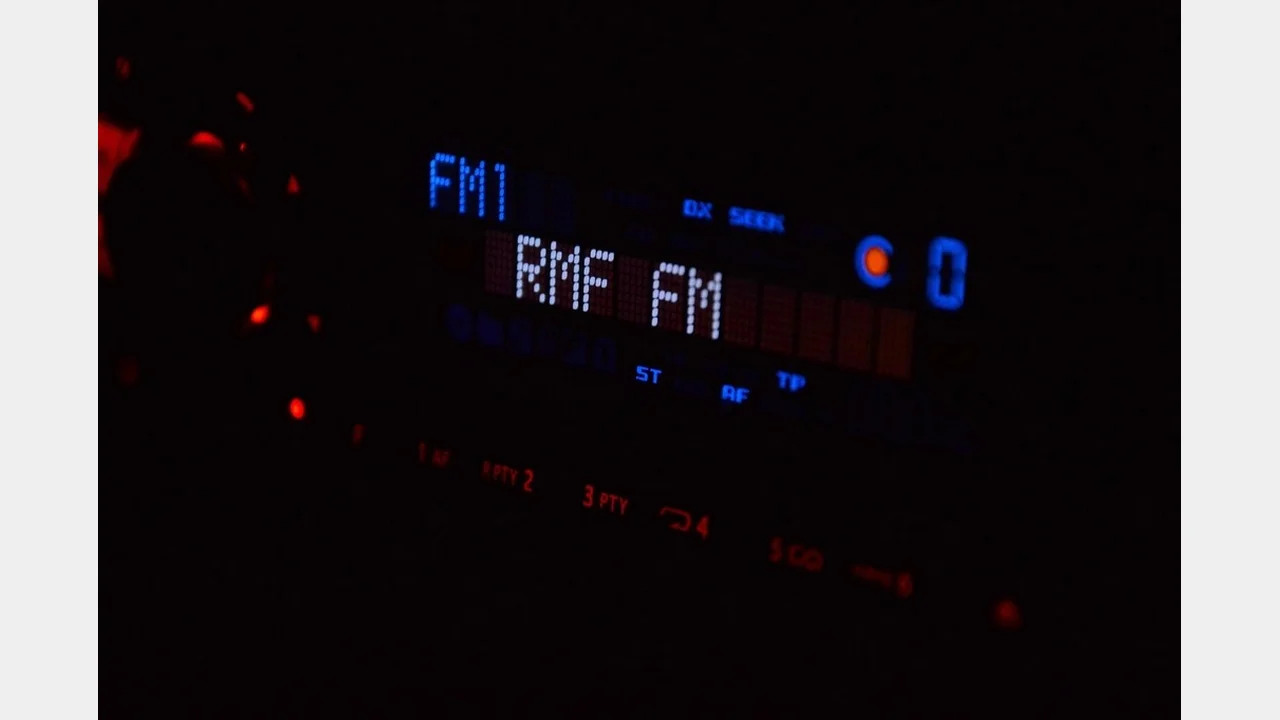
FM radio static in a car usually comes from a weak received signal, a compromised antenna path, or electrical noise entering the audio chain. The fix starts by separating reception trouble from interference. Once you know whether the noise changes with station tuning, engine speed, or accessory use, you can inspect the antenna lead, ground connection, and receiver power path. The goal is to restore consistent signal strength without masking a fault. Several common conditions produce similar hiss, crackle, or whine, so a careful sequence of listening tests narrows the cause before you replace parts.
Direct answer
Fix FM radio static by testing the reception path and the sources of electrical interference, then repairing the weak link. In many vehicles, the antenna lead corrodes or loosens where it meets the head unit or the antenna base, reducing signal strength and making background noise more noticeable. The radio responds by increasing internal gain, which amplifies weak station audio along with atmospheric hiss. A clean, secure antenna connection often restores enough carrier signal to quiet the background without changing any radio settings.
Static that rises with the engine or changes when accessories switch on points to conducted interference rather than poor reception. The ground connection between the receiver and the vehicle body can develop resistance, allowing alternator ripple or ignition noise into the audio stage. In those cases, securing the receiver ground and checking the antenna ground path matters as much as the antenna lead itself. Confirm the condition first, because a new radio or antenna will not remove static caused by a poor ground.
How to proceed
Begin with a listening test on several stations. Tune across weak and strong signals while the engine is off and the key is in accessory mode. If the static is present only on weak channels and changes with the station, the radio is behaving normally under low signal conditions. Then start the engine and operate the blower, wipers, and rear defroster one at a time. A new whine or crackle tied to those loads indicates electrical interference entering through power or ground wiring, not a failing tuner.
Inspect the antenna lead where it enters the radio and at the antenna base if access allows. Look for a loose connector, water intrusion, or a kinked cable. For a mast or fender antenna, confirm that the mounting base is tight and corrosion-free, because the body panel often forms part of the antenna ground plane. Do not cut or splice shielded cable unless the vehicle-specific service information supports it. If the external checks do not reveal a fault, have the receiver power feed and ground circuit tested for voltage drop and noise.
Understanding a problem
FM static is useful diagnostic evidence. Hiss that appears with every station and stays constant usually means the receiver is producing audio without enough usable signal. The cause may be a disconnected antenna lead or a damaged cable. Crackle that follows bumps or changes when the antenna cable is moved suggests an intermittent connection. A steady whine that rises and falls with engine speed is typically alternator ripple or ignition noise entering the receiver through a compromised ground or power filter circuit.
Electrical interference can also arrive through accessories sharing the radio circuit. Phone chargers, dash cameras, and poorly filtered LED bulbs sometimes emit broadband noise that the receiver picks up on nearby wiring. Separate the problem by unplugging accessory devices one at a time and listening for a change. A fault code or static condition only narrows the search; it does not prove which component failed. Use the pattern of the static to decide whether to focus on the antenna lead, ground connection, receiver power, or a nearby noise source.