Master Power Brakes: What to Check Before Buying a Brake Conversion or Booster Kit
Master Power Brakes is a US aftermarket brand known mainly for brake upgrades for classic cars, muscle cars and older trucks. Its range covers disc brake conversion kits, master cylinders, power brake boosters and the valves and lines that connect them. A kit from this kind of supplier can be a good way to turn a tired drum or manual system into a modern-feeling power disc setup. It only works well if the kit matches your vehicle and your engine and wheels can support it. The short answer for buyers: choose by exact vehicle fitment first, then by what the rest of your car can support. That means wheel clearance, engine vacuum, pedal setup and space under the hood. A kit that suits one model year or suspension setup may not bolt onto another that looks almost the same. Modified cars, such as those with dropped spindles, aftermarket wheels or a high-lift camshaft, need more checking than a stock car.
What a Typical Brake Upgrade Kit Includes
Brake conversion kits from aftermarket suppliers vary in completeness. Before comparing prices, confirm which of these parts are included and which you need to buy separately:
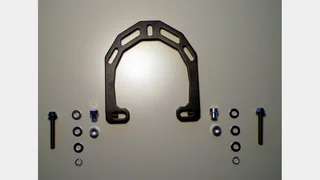
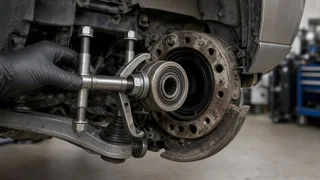
Front disc conversion parts: brackets or spindles, brake rotors, calipers, brake pads, hubs or bearings, and flexible hoses. Rear disc or drum components, if the kit covers the rear axle. A master cylinder sized for disc brakes or for a disc and drum combination. A vacuum power brake booster, or a pedal setup for manual brakes. A proportioning valve or combination valve, plus residual pressure valves where needed. Hard brake lines, fittings and mounting hardware.
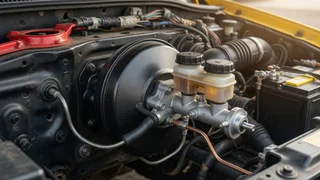
A front-only bolt-on kit and a complete booster, master cylinder and valve package are very different purchases. If you swap only one part of the system, check that the existing parts are suited to the new setup. For example, a master cylinder built for four-wheel drums may not move enough brake fluid for front disc calipers.
Vehicle Fitment: The First and Most Important Check
Fitment for older vehicles depends on more than make and model. Factory parts often changed between model years, body styles, drivetrains and option packages. Before ordering, confirm these details against the kit's listed applications:
Model year, body style and drivetrain, such as two-wheel drive versus four-wheel drive on trucks. Original brake type at each axle: drum or disc, manual or power. Spindle type: stock height, dropped, or aftermarket. Axle or rear end type, if the kit includes rear brakes. Wheel bolt pattern, and whether the kit changes it. Firewall bolt pattern and brake pedal mounting, since manual and power pedals often attach at different points.
If your vehicle has been modified, assume the standard listing may not apply. Lowered suspension, swapped front clips and non-original rear ends are common on classic vehicles. Each one can change which kit fits.
Wheel and Tire Clearance
Larger rotors and calipers need room inside the wheel. Many disc conversion kits require a minimum wheel diameter, and some calipers will not clear certain wheel spoke designs or offsets. Steel wheels made for small drum brakes are a common problem. Check the kit's stated wheel requirement against your wheels before buying. If you plan to change wheels later, choose brakes that will fit both your current and planned wheels, or plan the purchase in that order.
Engine Vacuum and Booster Choice
A vacuum power brake booster uses engine vacuum to multiply the force you put on the pedal. If the engine produces weak vacuum at idle, the booster cannot give full assist. The pedal then feels hard, especially when the car is stopped or moving slowly. This is common with performance camshafts that idle roughly.
Before choosing a booster, measure idle vacuum with a gauge, or have a shop do it. If vacuum is low, several options are available:
A dual-diaphragm booster, which gives more assist in a smaller diameter. A vacuum reserve canister to store vacuum between brake applications. An electric vacuum pump that does not depend on engine vacuum. A hydraulic-assist system powered by the power steering pump instead of vacuum. Manual brakes with a smaller-bore master cylinder and the correct manual pedal ratio.
Under-Hood Space and Booster Size
Booster diameter and master cylinder length matter in a crowded engine bay. Large single-diaphragm boosters can hit valve covers, intake parts, headers or inner fender panels, especially after an engine swap. Smaller or dual-diaphragm boosters exist partly for this reason. Measure the space between the firewall and nearby parts, and compare it with the booster and master cylinder dimensions listed for the kit.
Master Cylinder, Valving and Pedal Matching
The master cylinder, valves and pedal work as one system. A mismatch here causes most complaints about pedal feel after a brake upgrade.
Bore size: a smaller bore builds more pressure for the same pedal force but needs more pedal travel. A larger bore moves more fluid with less travel but needs more force. Manual and power systems usually call for different bore sizes. Proportioning: front discs with rear drums need a proportioning or combination valve so the rear wheels do not lock early. An adjustable valve lets you fine-tune the balance. Residual pressure valves: drum brakes often use one to keep the shoes ready. Disc systems may need a light residual valve if the master cylinder sits lower than the calipers, as on some floor-mounted setups. Pedal ratio: manual brakes need more leverage at the pedal than power brakes. Converting between manual and power without changing pedal geometry can leave the pedal too hard or too sensitive.
Replacement Parts and Long-Term Ownership
Brake pads and rotors wear out, so think about future maintenance before you buy. Ask whether the kit's calipers take a common pad shape that you can buy from many suppliers, and whether replacement rotors are standard parts or kit-specific. Common parts are usually easier to find and offer more choices of friction material, such as ceramic, semi-metallic or organic compounds. Each type trades off noise, dust, cold performance and rotor wear differently.
Rotors and pads have wear limits. Rotors have a minimum thickness, often marked on the rotor itself, and pads have a minimum friction material thickness. Knowing which parts your kit uses makes it easier to find these figures and source replacements when the time comes.
Brake Fluid Compatibility
Check which brake fluid the kit is designed for, and what is already in your system. DOT 3, DOT 4 and DOT 5.1 are glycol-based and can generally be mixed with each other. DOT 5 is silicone-based and should not be mixed with them. If an older system has been filled with DOT 5, flush it thoroughly before using glycol fluid, or keep using the type the new parts are rated for. New seals, fresh fluid and a proper bleed are part of any brake upgrade.
Installation Considerations
Bolt-on kits can be installed at home by someone with solid mechanical skills and the right tools. They still involve safety-critical work, so be realistic about what the job takes:
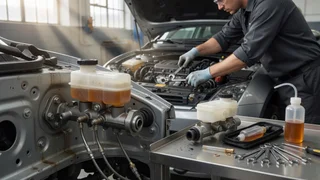
Bench-bleed a new master cylinder before you install it. Bend and flare hard lines correctly, with fittings that match the master cylinder, valves and calipers. Adjust the booster pushrod so the brakes do not drag and the pedal does not have excess free play. Bleed the whole system thoroughly, then check for leaks under pressure. Bed in new pads and rotors following the pad maker's procedure. Test the brakes at low speed before driving normally.
If you are unsure about any of these steps, especially line fabrication or valve setup, a professional install or inspection is worth considering. Brake problems often do not show up until a hard stop.
Quick Buying Checklist
Check | What to confirm; Vehicle fitment | Year, body style, drivetrain, spindle type and original brake setup match the kit's listing; Wheel clearance | Your wheels meet the kit's minimum diameter and clear the calipers; Vacuum supply | Idle vacuum is enough for the booster, or you have a backup plan; Under-hood space | Booster and master cylinder clear the engine, headers and fenders; Pedal and firewall | Pedal mounting and ratio suit power or manual brakes as planned; Valving | Proportioning and residual valves suit your front and rear brake types; Kit contents | Lines, hoses, hardware and valves are included, or budgeted separately; Service parts | Pads and rotors are common, available replacements; Brake fluid | Fluid type matches the kit and the existing system is flushed if needed
Choosing Your Next Step
Start by writing down your vehicle's exact details: year, model, drivetrain, current brake type, spindle and wheel size, and engine idle vacuum. With that list, you can narrow the kits to those that actually fit. You can also tell whether a complete booster and master cylinder package or a front-only conversion makes more sense. If your vehicle is heavily modified or the listing does not clearly match your setup, contact the seller's technical support with those details before ordering. That is the most reliable way to avoid returns and pedal-feel problems after installation.