Land Rover Wheel Bolt Pattern
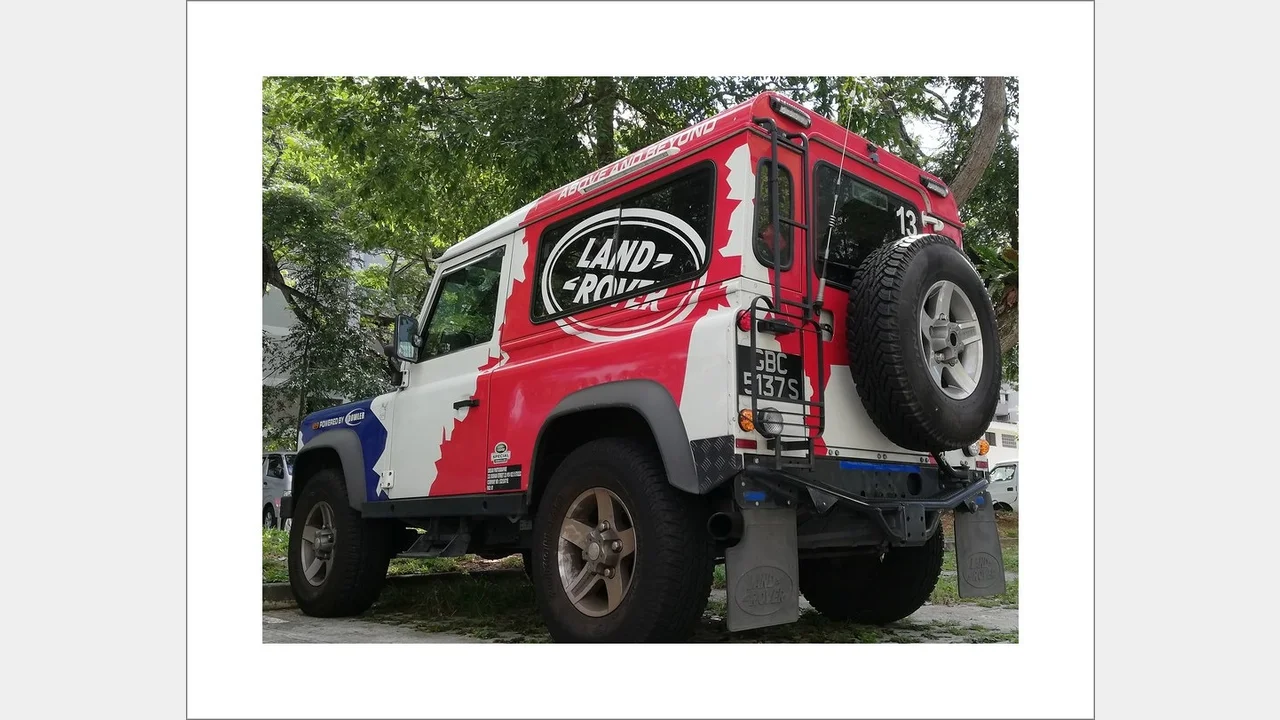
Choosing replacement wheels for a Land Rover starts with more than diameter and offset. The wheel bolt pattern determines whether a wheel can be physically mounted to the hub, so an incorrect specification will prevent installation or create unsafe contact. Because Land Rover has produced multiple platforms across different model generations, body styles, and market specifications, the same badge can hide different hub layouts. Readers researching this topic usually need to separate broad brand assumptions from the exact fitment required by a specific model year, trim level, and powertrain configuration before ordering wheels, spacers, or adapters.
Essential answer
Land Rover does not use one universal wheel bolt pattern across its entire lineup. The common modern layout is a five-lug arrangement, but the critical measurement is the pitch circle diameter, often expressed as a value such as 5x120 or 5x10⁸. Model generations, platform sharing with other manufacturers, and regional market specifications can change that diameter even when the number of studs stays the same. A wheel that fits one Discovery or Range Rover generation may therefore be incompatible with another despite a similar appearance.
The practical next step is to confirm the hub-specific pattern rather than relying on brand-level search results. Bolt pattern is only one part of fitment; center bore, lug seat shape, offset, and brake clearance also decide whether a wheel works safely. When a listing or forum answer states a Land Rover pattern without naming the chassis or production period, treat it as provisional. The wheel must match the vehicle’s measured hub and fastener design before any mounting attempt.