Jeep TJ body mount repair kit
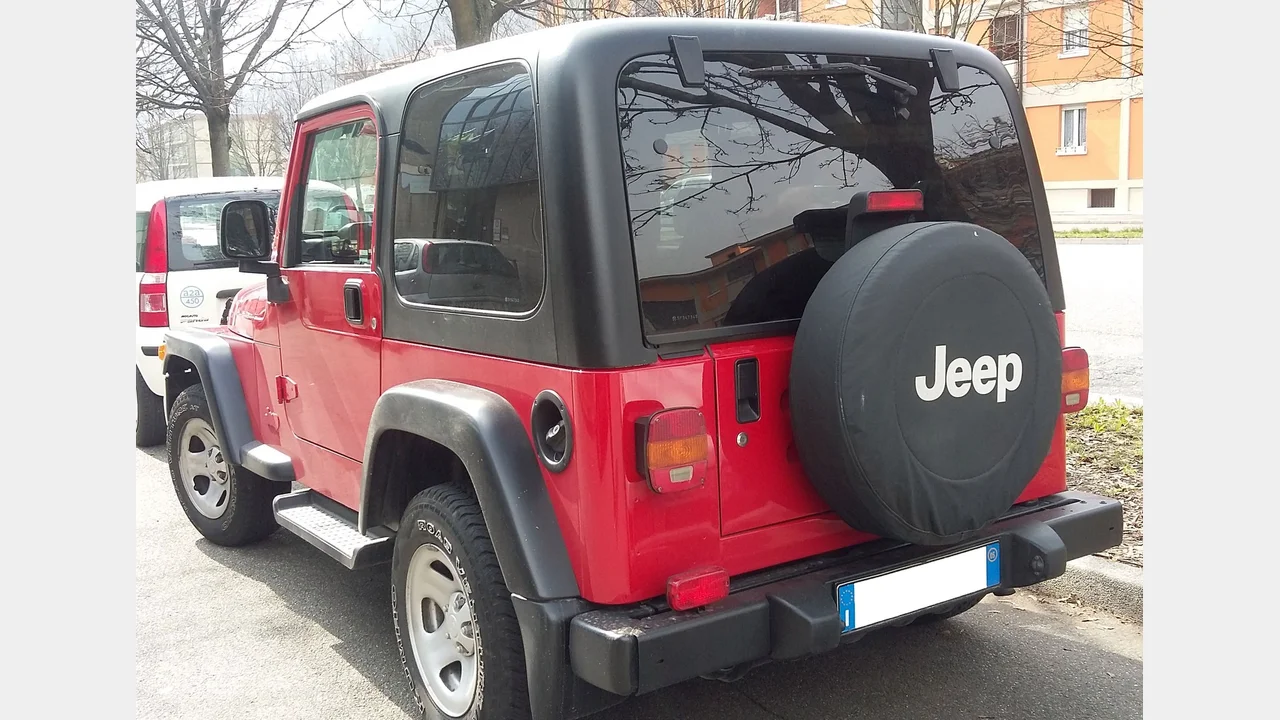
A Jeep TJ with rust-compromised body mounts can change the way the vehicle tracks, creaks, and carries load. The factory mounts connect the tub to the frame at several points, and corrosion often attacks the sheet metal around those fasteners rather than the frame itself. When choosing a TJ body mount repair kit, the practical question is whether the supplied pieces address the damaged tub area, align the body correctly, and work with the model year and body style already in the driveway.
The direct answer
A TJ body mount repair kit is generally intended to restore the mounting points where the body shell or torque box has rotted around the factory fasteners. Because the frame and tub are separate components, the kit typically contains formed steel repair sections, reinforcement plates, and hardware that let the installer cut away damaged metal and weld or bolt in fresh structure. The goal is not only to tighten the body down, but to restore the original stack height so fenders, bumpers, and door gaps remain consistent.
Before buying, confirm whether the kit repairs the tub-side mount, the frame-side bracket, or both. Some kits concentrate on the body mount channel under the floor, while others include the frame outrigger area. The model year and body style matter because mounting locations and torque box construction changed through the TJ generation. A buyer aiming at a specific rust pattern should compare the shape of the supplied brackets with the failing area before placing an order.
Understanding a problem
Soft body mounts usually show up as uneven gaps between the tub and frame, a loose-feeling body over bumps, or sheet metal that has cracked near a mounting bolt. The symptom can also appear as a click or knock when the chassis flexes, because a failed rubber isolator or rusted sleeve allows metal-to-metal contact. These clues suggest a mounting point problem, but they do not by themselves identify whether the rubber cushion, the welded bracket, or the surrounding floor panel is the root cause.
When a warning light or stored diagnostic code appears, it is rarely linked directly to the body mounts unless a wiring harness or ground path has been affected by movement at a damaged mount. A code is evidence that a circuit has reported an unexpected value, not proof that a chassis part has failed. It is reasonable to inspect the mounting points visually before chasing an electrical concern, but manufacturer-dependent and vehicle-specific confirmation may still be needed for any code.