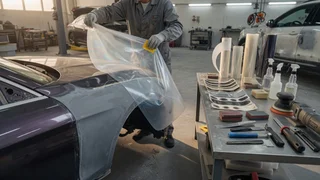
Buy 3M auto body repair kit
Shopping for a 3M auto body repair kit means evaluating your damage, your skill level, and the materials included before placing an order. A kit may work well for a shallow scrape on a steel fender yet be the wrong repair method for a cracked flexible bumper or an already rusting panel. Matching the substrate material, surface preparation steps, panel alignment needs, and coating compatibility helps avoid wasted effort. This guide explains what to consider when buying and how to choose a first practical step.
The direct answer
A 3M auto body repair kit is most useful when the damage is limited to a cleanly accessible area where adhesion can be controlled and the surrounding finish is sound. The purchase makes sense for owners who are comfortable with careful surface preparation, including removing wax, rust, loose coating, and sanding scratches so the repair materials bond to the correct substrate material. If the panel is heavily distorted or the paint is failing across a wide area, a kit alone is unlikely to restore appearance or corrosion protection.
Check the intended panel shape and material before buying. Rigid steel or aluminum parts respond differently from flexible bumper covers, and a product designed for one may not maintain adhesion on the other. Also confirm that the included filler, abrasive, and any topcoat primer sit within a system you can finish with a compatible paint. Coating compatibility matters because a strong repair under an incompatible topcoat can still peel or discolor.
Understanding a problem
A common mistake is treating a visible scratch as simple surface damage when the area beneath the paint has already begun corroding. On a steel panel, a scratch that reaches bare metal interrupts the factory corrosion protection and allows moisture to work along the interface. Blistering, rust staining, or a powdery edge under the coating suggests the problem is deeper than a cosmetic blemish. In that case, the first check is to inspect whether the damage extends through the primer or into the metal itself.
Panel alignment also affects how a repair should be judged. If a body line is shifted or the panel no longer matches the neighboring surface, filler alone cannot correct the underlying misalignment. The distortion may come from a bent mounting flange, a pushed bracket, or damaged support structure behind the skin. Straightening the panel to approximately the correct contour before applying repair material gives a more stable result and reduces the need for thick filler that can crack or shrink.