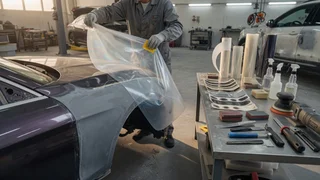
Buy 3M Bondo Stage 3 body repair kit
Choosing a 3M Bondo Stage 3 body repair kit means matching the repair method to the damaged substrate material before you buy. The four-piece format is designed to carry a body panel from surface preparation through finish work, but it only performs well when panel alignment, coating compatibility, and corrosion protection are considered. A smart purchase depends less on the container count and more on whether the included products fit the dent size, metal condition, and paint stage you actually have. Approaching the kit as a system helps avoid wasted material and repeat work.
The direct answer
For most shoppers, the immediate answer is to buy this kit when the repair area is a small-to-moderate automotive body blemish that requires filler, shaping, and finishing in one coordinated set. The four-piece grouping typically brings together the core materials for filling a low spot, sanding it level, and preparing the surface for primer or paint. It is not a universal solution for every panel; deep structural damage, rust-through, or flexible bumper covers may call for a different repair method.
The condition that materially changes the decision is the substrate material and the level of existing finish damage. Steel and aluminum panels respond well to a staged filler approach when the metal is clean, dry, and free of loose corrosion. Flexible plastic or already-cracked filler areas need a dedicated flexible product. Before committing to the purchase, confirm that the panel is rigid enough for standard body filler and that you have the time to complete each stage without rushing the cure between steps.
Understanding a problem
A common misunderstanding is treating a body repair kit as an automatic fix for any visible dent or paint crack. The real problem usually begins with surface preparation. Wax, road film, or a thin layer of old clear coat can prevent filler from bonding, even if the product itself is high quality. If the panel flexes when pressed, a standard rigid filler may crack later; that symptom points toward a flexible repair material or additional panel support rather than a defect in the kit.
Another plausible cause of poor results is moisture trapped under the repair area or at the edge of damaged paint. Body filler is porous enough to absorb water if it is not sealed, so bare filler left exposed can lead to corrosion protection failure and paint bubbling. When you see rust staining around a dent, the next step is mechanical cleaning to bright metal before applying filler. The kit can handle the contour work, but it cannot replace proper removal of rust and damaged coating.