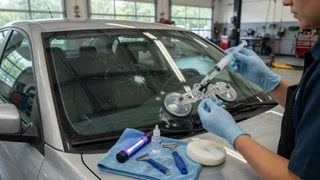
Use a 3M auto glass repair kit
A small stone chip or crack in a windshield can quickly spread when road vibration, temperature swings, or moisture work into the glass. For a driver researching a 3M auto glass repair kit, the practical question is whether the damage sits in a repairable area away from the driver’s critical line of sight and from the edge of the glass. The goal is to restore structural stability and clear visibility before the break grows into a full replacement. Matching the repair resin to the glass specification and following fitment limits shown for the kit helps preserve the sealing surface and mounting points.
The direct answer
A windshield repair kit can be an effective way to stabilize and fill small bullseye, star, or combination breaks that are roughly the size of a coin. The repair works best before contamination enters the damaged area, so covering a fresh chip and keeping it dry improves the likelihood of a clear result. If the damage is in the driver’s primary viewing area, extends to the edge, or has already cracked across several inches, a kit is usually not the right fix.
The strongest candidates are shallow damage on flat or gently curved portions of the windshield where the glass specification allows resin injection. The break must be fully accessible from the outside surface, with no moisture trapped inside. When those conditions are met, a repair kit can improve visibility and help prevent the crack from spreading, but it cannot erase deeper structural damage or restore the glass to factory condition.
Understanding a problem
A common engine-side concern is seeing a chip grow or a faint line appear after a temperature change. Windshield glass expands and contracts with heat, and the stress concentrated around the sealing surface can turn a small pit into a long crack. Before using a kit, inspect the location from inside the vehicle. If the mark is hidden behind the mirror, near a camera or sensor mounting point, or directly in the driver’s vision, the repair may leave a slight optical distortion even when it seals correctly.
Moisture inside the break is the main reason a resin fill fails or turns cloudy. The damaged area should be warmed gently and allowed to dry before application, but never with a torch or heat gun that could shock the glass. Adhesive compatibility matters because the cured resin must bond to the laminated glass inner layer and resist the same UV and thermal cycles the windshield sees. If the chip penetrates both layers or begins inside the lamination, mechanical replacement is likely required rather than a surface repair.