Buy an auto body repair growth kit

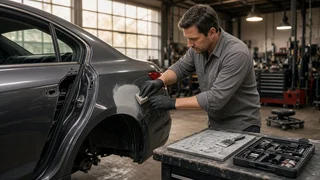
Buying an auto body repair growth kit means selecting a package of supplies and methods that can expand from a small spot repair into broader panel work without forcing you to repurchase essentials. Growth kits are usually evaluated by how well their substrate material, surface preparation products, and coating compatibility work together across different body areas. The right choice depends on the panel condition, the repair method you expect to use most often, and whether the included corrosion protection will survive normal exposure after the finish is applied.
The direct answer
A useful auto body repair growth kit should cover the core stages of a repair without treating every dent, scratch, or rust spot as the same job. Look for a kit built around one repair method but flexible enough to handle minor panel alignment and surface preparation on steel or aluminum. If the substrate material changes between panels, the kit gains value only when its fillers, abrasives, and coatings can follow that change safely.
Coating compatibility matters most at the final stage, because a repair that looks smooth before paint can fail after the topcoat reacts with the primer or body filler. Check that the included products are intended to be used as a system rather than as random branded items. A kit with a clear growth path lets you begin on a small damaged area and then order more of the same product line as the work expands.
Understanding a problem
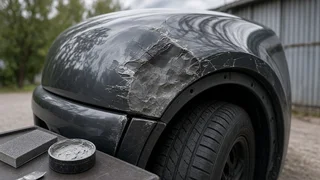
The most common reason a body repair kit disappoints is not weak filler or poor sandpaper, but mismatched preparation for the panel material. Bare steel needs immediate corrosion protection before filler or primer, while aluminum requires abrasives and cleaners that do not embed iron particles and create galvanic damage. If a kit skips a material-specific prep step, the repair may look acceptable at first and then lift or bubble as moisture reaches the substrate.
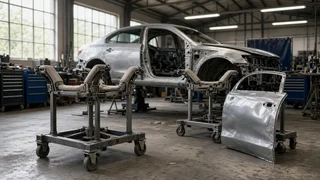
Another problem to investigate is panel alignment pressure. A growth kit can repair surface damage, but if the panel is still under stress from a bent bracket or shifted mounting point, new filler and paint will crack along the flex line. Before spending on a larger kit, check whether the damaged area moves when the hood, door, or trunk lid is opened and closed. Correcting that mechanical issue first makes the surface repair method effective and prevents repeating the same work.