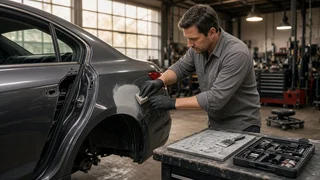
Buy auto body repair dollies
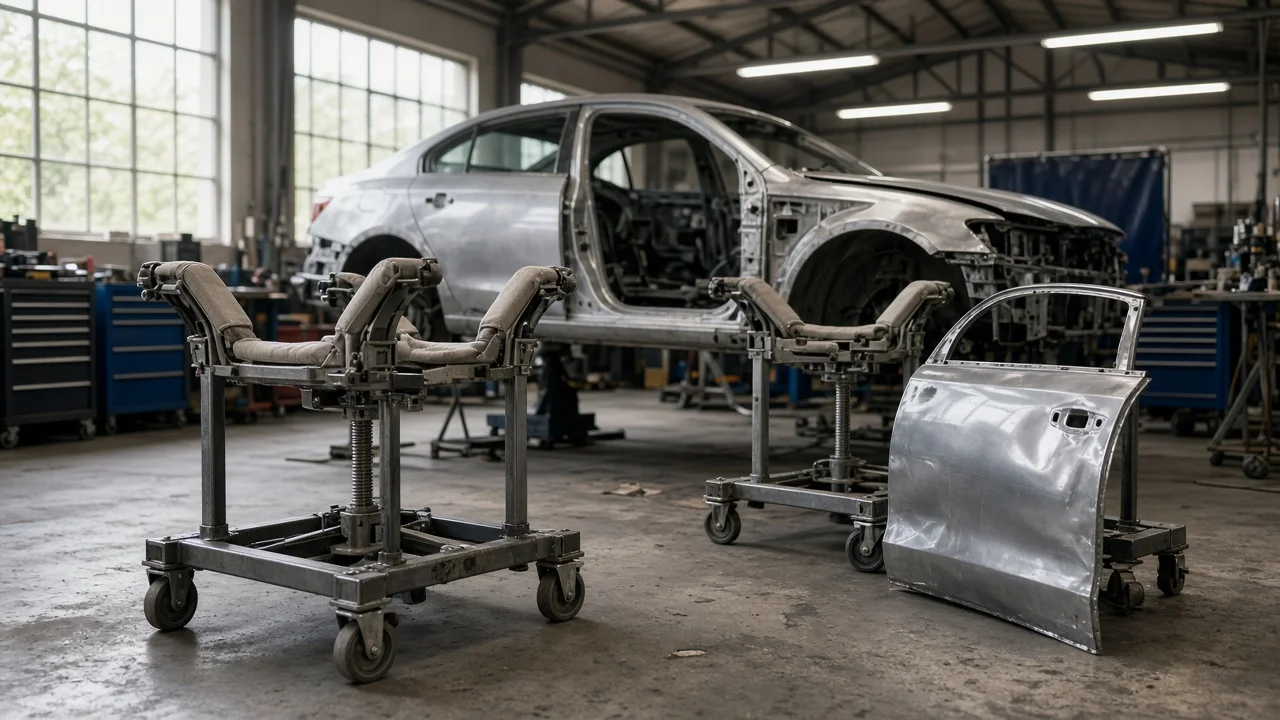
Choosing auto body repair dollies means matching the tool shape, weight, and face profile to the metalwork you need to correct, rather than simply finding the cheapest set. A dolly supports the backside of a panel while hammer blows from the outside move stretched or displaced sheet metal. The right support reduces uncontrolled bounce, helps preserve crown lines, and makes the repair method more predictable. Because substrate material and panel access vary, buyers should understand what each dolly profile offers before purchasing a set or individual piece.
The direct answer
For most buyers, a starter set that includes a general-purpose heel dolly, a curved toe dolly, and a flat-faced dolly covers common collision repair tasks without paying for rarely used specialty shapes. Look for forged or hardened steel bodies with smoothly finished working faces and comfortable grip areas. Low-quality cast pieces can dent or crack under repeated hammering, leaving more work during surface preparation.
The best choice changes if you work mostly on aluminum panels, deep crown areas, or tight braces where a long reach is necessary. In those cases, skip the broad kits and prioritize one or two shapes that match your panel access. A dolly is an anvil, so mass and contour matter more than the number of pieces. Start with the profiles that fit your repair method and add specialized dollies only after a job shows that need.
Understanding a problem
If you already have dollies but struggle with lumpy results, the usual cause is poor contact between the dolly face and the backside of the panel. A flat dolly held behind a crowned fender pushes only on a small point, so hammer strikes stretch the area unevenly. Choosing a curved face that follows the surrounding contour spreads support across more of the workpiece and makes panel alignment easier to hold.
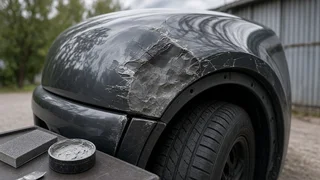
Paint cracking or coating damage near the repair does not automatically mean the dolly failed. It often points to excessive force, a mismatched face radius, or skipped surface preparation before the final finish. Before replacing tools, test fit the dolly against the undamaged area nearby. If it rocks or touches only at its edges, switch to a profile that better matches the crown. That check is more useful than assuming a visible coating defect proves the metalwork itself was mishandled.