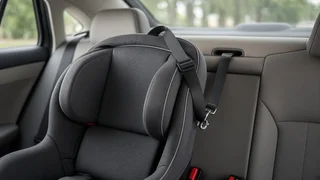
Infasecure car seat extension strap compatibility
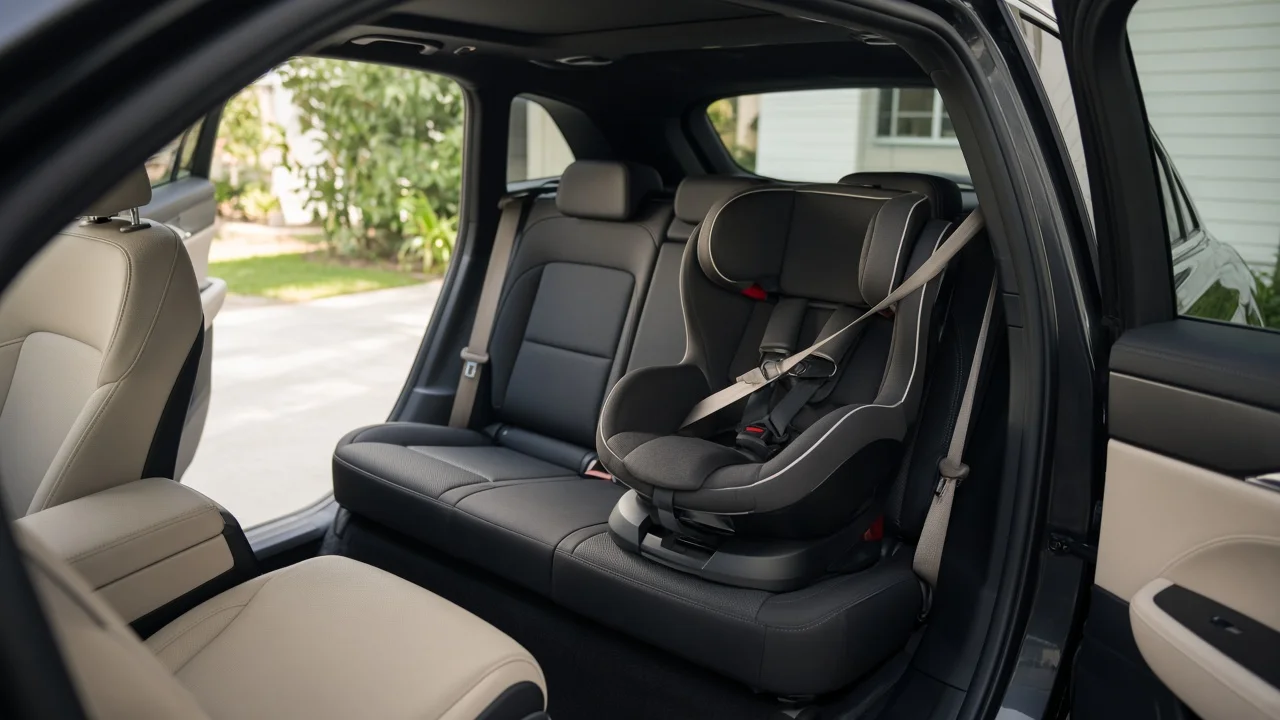
An Infasecure car seat extension strap question usually starts when a child restraint appears secure, yet the factory buckle stalk or belt geometry leaves too little webbing to complete a confident installation. Readers searching for “Infasecure car seat extension strap compatibility” are often trying to determine whether a supplemental belt length can be used, which restraint configurations accept one, and how that affects seat belt routing or lower anchor alternatives. The practical answer is narrower than many expect: extension use depends on the car seat maker’s approval, the vehicle belt system, and the specific belt path, not simply on strap length or buckle style.
Essential answer
An Infasecure car seat extension strap is not a universal accessory for every child restraint or installation method. Compatibility is controlled by the restraint manufacturer’s written instructions and any vehicle-specific limitations. In many cases the extension is designed for particular Infasecure models where the built-in harness or lap-belt path cannot otherwise achieve correct geometry. Using an unapproved extension can change how the lap portion sits across the child’s pelvis or allow excess movement, so the essential answer is to treat the strap as a model-matched component rather than a generic belt lengthener.
The extension matters most when a vehicle has a short buckle stalk, recessed latchplate, or stiff seat bolsters that prevent the standard seat belt from following the required path. If the child seat allows an extension under those conditions, the added webbing should preserve the same routing angles and locking behavior as the original belt. When the issue is a rear-facing infant base or a forward-facing harnessed seat, lower anchors and a top tether may offer an approved workaround instead of adding belt length. Therefore, compatibility must be confirmed before purchase or use.