InfaSecure Seat Belt Clip: What It Is and What to Check
The Short Answer
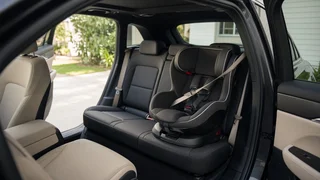
InfaSecure is a child car seat brand associated with the Australian market. A search for an InfaSecure seat belt clip usually refers to a small part that came with, or is used alongside, one of the brand's child restraints. The exact part depends on the model, so the essential answer has two parts. First, identify which kind of clip you mean, because several different parts are commonly called a seat belt clip. Second, use only the part specified in the instructions for your particular seat. For readers in the US, there is an important qualification that comes before either step. Seats designed for the Australian standard are not generally certified for use in US vehicles. That affects whether the seat and its parts should be used there at all.
Which Clip Do You Mean?
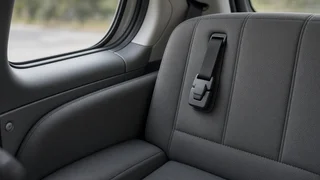
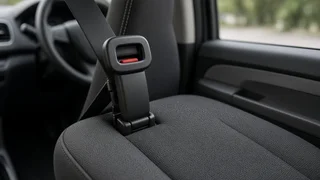
The phrase seat belt clip is used loosely, and three quite different components often share the name. Each has a different job, so it helps to work out which one applies before looking for a replacement or installation guidance.
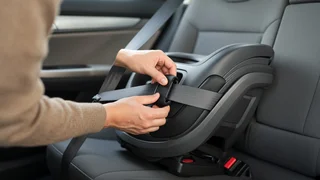
Harness chest clip: a plastic clip on a seat's built-in harness that holds the two shoulder straps together across the child's chest. It keeps the straps positioned. It is not the main restraint. Locking clip: a small metal clip that holds the lap and shoulder portions of a vehicle seat belt together so the belt cannot loosen. It is used when a child seat is installed with a belt that does not lock on its own. Belt-positioning guide: a clip or guide on a booster seat that routes the vehicle's shoulder belt across the child's shoulder and away from the neck.
Which of these an InfaSecure seat includes, and what its design looks like, varies by model and production period. The supplied information does not identify any specific InfaSecure model or part. Your seat's manual and labels are the authoritative source.
Why the US Context Matters
In the US, child restraints sold for use in vehicles must meet Federal Motor Vehicle Safety Standard 213. Australian child restraints are designed and tested to the Australian and New Zealand standard instead. The two standards differ in their test requirements and in how seats attach to the vehicle. Australian seats commonly use a top tether system, and Australian harness designs have traditionally differed from US designs in some details. Because of this, a seat certified only to the Australian standard should not be assumed to be suitable or legal in a US vehicle. The same caution applies to clips and accessories made for that seat. If you have an InfaSecure seat in the US, for example one brought from overseas, check its labels for US certification before using it. If there is none, a US-certified seat is the safer choice.
Replacing a Lost or Broken Clip
Child seat manufacturers and safety technicians generally advise against fitting clips that were not supplied or approved by the seat's manufacturer. This includes universal aftermarket clips. A part from another source has not been tested with your seat and may change how it performs in a crash. The general approach is as follows:
Find the exact model name and manufacture date on the seat's labels. Check the instruction manual to confirm which clip the seat uses and how it is fitted. Contact the manufacturer or an authorized retailer for a genuine replacement part. If a genuine part cannot be obtained, consider whether the seat should be replaced rather than modified.
Installation Checks That Apply Generally
Some principles hold across most seats, whichever clip is involved. A harness chest clip is commonly positioned at armpit level on US-style harnesses. However, follow your seat's manual, because designs differ. A locking clip, where one is needed, is typically placed close to the belt's latch plate so the belt stays tight. Many newer vehicles have seat belts that lock without one, so check the vehicle owner's manual first. A booster's belt guide should keep the shoulder belt across the middle of the shoulder and the lap belt low across the hips. A certified child passenger safety technician can inspect an installation in person if you are unsure.
What Could Not Be Confirmed
No confirmed details specific to InfaSecure clips were available. That includes part numbers, prices, compatible models, dimensions, US availability and test results. This guide therefore describes the general types of clips and the principles that apply to them. It does not offer model-specific claims. For a definitive answer about your seat, rely on its label, its instruction manual and the manufacturer.