InfaSecure Lockie Seat Belt Retainer: What It Is and How It Differs
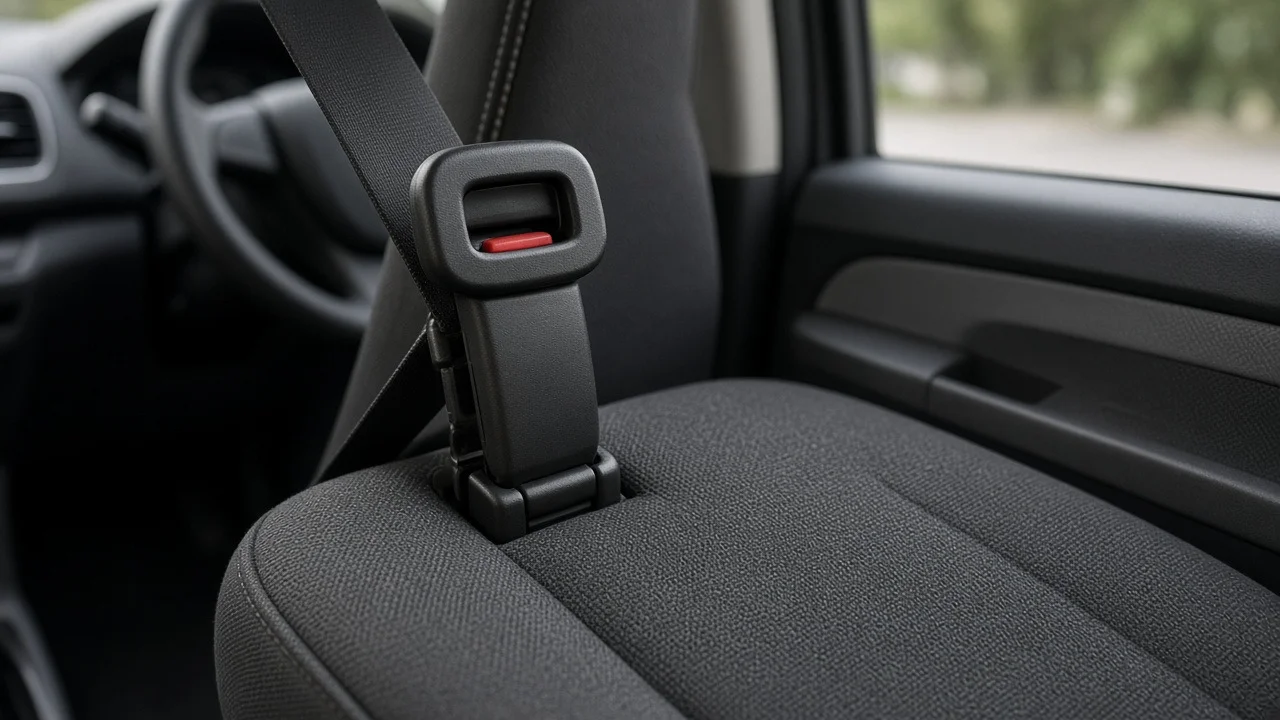
The InfaSecure Lockie is a seat belt retainer: a small add-on clip sold under InfaSecure, an Australian child car seat brand. Seat belt retainers hold the webbing of a vehicle belt in a set position, usually so a child restraint stays tight or the belt sits correctly on a child. The precise job of a given Lockie, how it attaches and which seats it is approved for depend on the version and its packaging, so treat the included instructions as the authority. One qualification matters most for US readers. InfaSecure products are designed for Australian and New Zealand child restraint standards. In the US, safety advocates generally advise against add-on belt devices unless the car seat manufacturer specifically allows them.
What a Seat Belt Retainer Does
"Seat belt retainer" is a broad label. Products sold under that name usually fall into one of three groups. Before buying or installing a retainer, work out which group it belongs to, because each one solves a different problem and carries different cautions.
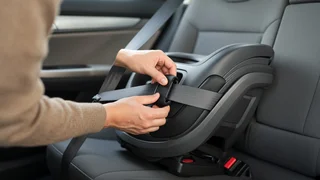
Locking clip: joins the lap and shoulder portions of a lap-sash belt near the latch plate so the lap section cannot loosen. This is used to keep a child seat tight when the belt would otherwise slacken. Belt-positioning clip: guides the shoulder belt across a child's shoulder and chest, typically with a booster seat, so it does not ride up onto the neck or slip off the shoulder. Buckle guard or cover: fits over the buckle release button to make it harder for a child to unbuckle themselves while still allowing an adult to release it.
Retainers marketed by child seat brands are most often of the first or second type. Check the product description and diagrams to confirm which one you have. Do not assume it serves a purpose it was not designed for.
How a Retainer Differs From Built-In Locking Features
Many modern car seats and vehicles already include ways to lock a seat belt. An add-on retainer is not part of either the vehicle or the car seat as originally designed and tested. That is the main difference, and it is why built-in features are generally preferred where they exist.
Feature | Where it comes from | What it does; Lock-off on the car seat | Built into the child restraint | Clamps the belt webbing to the seat shell so the installation stays tight; Automatic locking retractor (ALR) | Built into the vehicle belt | Locks once the belt is pulled all the way out and allowed to retract, holding it at a fixed length; Locking latch plate | Built into the vehicle belt | Holds the lap portion at the adjusted length once buckled; Lower anchors and top tether (LATCH) | Built into the vehicle and car seat | Attaches the car seat directly to the vehicle without using the seat belt; Add-on seat belt retainer | Separate accessory | Holds the belt webbing in position when other locking methods are absent or unsuitable
In the US, most vehicles built from the mid-1990s onward provide some way to lock the belt for a child seat at passenger seating positions, through the retractor or the latch plate. Many current car seats also include their own lock-offs. If either is available and the car seat manual describes how to use it, an add-on retainer is usually unnecessary.
Using an Australian-Market Accessory in the US
US child restraints are certified to Federal Motor Vehicle Safety Standard 213, and each seat is tested as sold with its own parts. Accessories added afterward are not part of that testing unless the car seat manufacturer has evaluated them. For this reason, US car seat manuals and certified child passenger safety technicians commonly say not to use products that did not come with the seat or are not approved by its maker.
An accessory designed around Australian and New Zealand practice may assume belt hardware, buckle styles or installation methods that differ from typical US vehicles and car seats. That does not make the product unsafe in itself. It does mean its fit and behavior with a particular US vehicle and car seat combination cannot be taken for granted.
Interaction With the Vehicle's Restraint System
A seat belt is part of a larger system. In many vehicles, a seat belt pretensioner pulls the belt tight in the first moments of a crash. The pretensioner is triggered by the restraint control module when impact sensors detect a qualifying event. Any clip on the belt should not change how the webbing runs through its guides. It should not stop the belt from retracting or press on the buckle mechanism in a way that affects latching.
Do not drill, cut, sew or otherwise modify belt webbing or hardware to fit a retainer. Keep the clip clear of the buckle release, retractor opening and any belt guide loops. Make sure the belt still latches with a clear click and releases normally with the clip in place. If a belt is frayed or damaged, or a pretensioner has deployed, have the belt assembly inspected and replaced under the vehicle-specific service procedure rather than relying on a clip. If a seat belt or airbag warning indicator stays lit, have the restraint system checked; a retainer will not address the underlying fault.
A Note on Buckle Guards
If what you need is a way to stop a child from unbuckling, a retainer that holds belt geometry will not do that. Buckle guards are a separate category, and they also raise their own concern. In an emergency, adults and first responders need to release the belt quickly. Before relying on any device that slows unbuckling, think about whether it could slow an exit. Treat behavior and supervision as the first line of approach.
Before You Use One
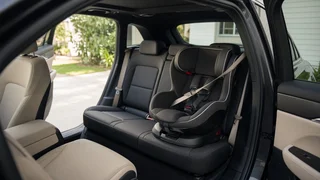
Read the Lockie's own instructions to confirm what type of retainer it is and which belts and seats it is intended for. Check your car seat manual for any statement about add-on accessories or locking clips; follow it if it prohibits them. Try built-in locking options first: the car seat's lock-off, the vehicle's locking retractor or latch plate, or lower anchors and top tether. After installing, test that the child seat moves less than about an inch side to side or front to back at the belt path, the standard US tightness check. If you are unsure, a certified child passenger safety technician can review the installation with your specific vehicle and seat.
Bottom Line
The InfaSecure Lockie is a seat belt retainer from an Australian child restraint brand, meant to hold belt webbing in position. Its usefulness depends on what your vehicle and car seat already provide. For most US owners with a post-1990s vehicle and a current car seat, built-in locking methods cover the same need without adding an untested part. Consider an add-on retainer only when those options are unavailable, and only when the car seat manufacturer's instructions allow it.