Independent Inspection Services for a New Car: When They Help and What to Check
The short answer
An independent inspection of a new car is optional, but it can be useful when you want a second set of eyes before you sign the final paperwork and drive away. Its main value is catching problems that are easiest to resolve before delivery: shipping or lot damage, repaired paint, missing equipment, a vehicle that doesn't match the order, or a warning light the dealer didn't address. It is not a substitute for the factory warranty, which covers defects that appear later.
Two conditions change the answer. First, the inspection only helps if it happens before you accept the car, so confirm in advance that the dealer will allow an outside inspector on the lot or let the car be taken to one. Second, the more unusual the circumstances, the stronger the case for an inspection. Examples include a car that has sat on a lot for a long time, a demonstrator or dealer-transfer vehicle sold as new, a high-value purchase, or a delivery you can't attend in person.
What "new car inspection" usually means
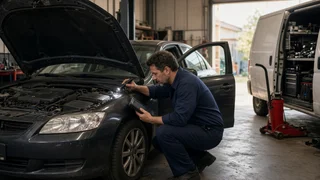
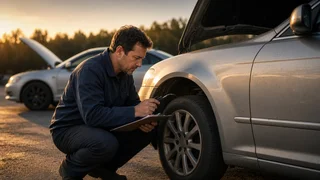
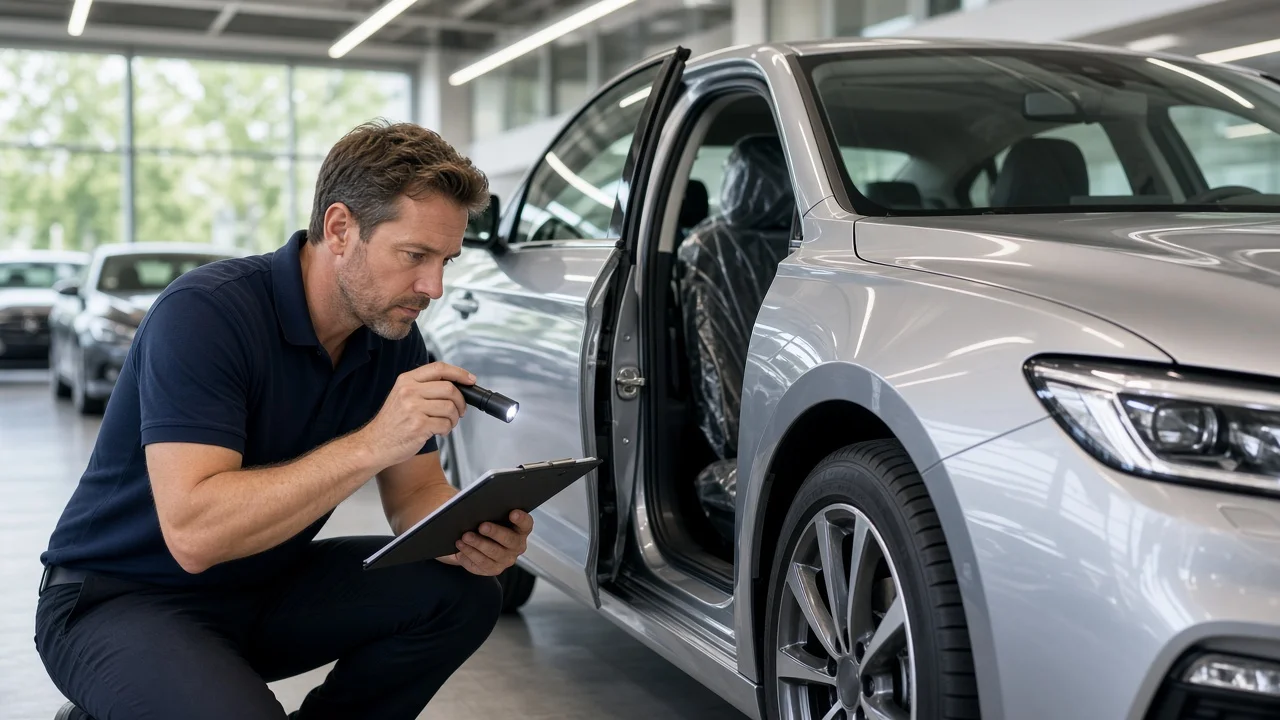
Before handing over a new car, dealers typically perform a pre-delivery inspection, often shortened to PDI. This is the dealer's own check and preparation of the vehicle after it arrives from the factory or port. An independent inspection is separate: a third-party inspector, either a mobile service that comes to the dealership or a repair shop you choose, examines the car on your behalf. Because the inspector works for you rather than the seller, their report can support a request for repairs, a replacement vehicle or a renegotiation before the sale is finalized.
What a thorough inspection should cover
Ask any service for a written checklist before you book. A useful new-car inspection generally includes the following areas:
Identity and paperwork: the VIN on the car matches the window sticker, purchase agreement and title documents, and the model year, trim, powertrain and color match what you ordered. Odometer: the mileage is consistent with a new vehicle and any test drives or dealer transfers have been disclosed. Body and paint: panel gaps, dents, scratches, signs of repainting or overspray, and paint thickness readings where the inspector uses a paint gauge to detect refinished areas. Glass, lights and trim: chips, cracks, misaligned trim, condensation in lamps. Wheels and tires: curb damage, correct tire size and type for the trim, and tire manufacturing date codes on cars that may have been stored for a long time. Underbody and engine bay: transport damage, fluid leaks, missing fasteners or shields, correct fluid levels. Interior: stains, tears, scratches on screens or trim, and correct seats, upholstery and features for the trim level. Equipment and electronics: every option on the window sticker is present and working, including driver-assistance features, infotainment, keys and fobs, chargers and accessories. Diagnostics: a scan for stored fault codes and confirmation that no warning lights are on. Road test: a short drive, if the dealer allows it, to check for noises, vibrations, alignment pull and brake behavior. Open recalls: a check of the VIN for unrepaired safety recalls, which can also be done through the National Highway Traffic Safety Administration's VIN lookup.
Electric and hybrid models
For electric vehicles and plug-in hybrids, ask whether the inspector checks charging operation with the included equipment, displayed state of charge and range estimates, and any high-voltage system warnings. Not every general inspection service is equipped or trained for high-voltage systems, so confirm this specifically. What can be checked also varies by model year, market and manufacturer software, so treat any battery-related findings as tied to that exact vehicle.
How to choose an inspection service
Independence: the inspector should have no business relationship with the selling dealer. Scope in writing: a published checklist that covers the areas above, not just a visual walk-around. Report format: a written report with photos that you receive before signing, ideally the same day. Experience with the brand: familiarity with the make, and with electric or hybrid powertrains if relevant. Logistics: whether they come to the dealership, how much notice they need and whether they can meet your delivery appointment. Limits of liability: what the service does and does not guarantee, since an inspection is a snapshot of condition, not a warranty.
Coordinating with the dealer
Tell the dealer before delivery day that you plan to have the car inspected, and get their agreement on where and when it will happen. Some dealers are comfortable with an inspector on site; others may limit access until paperwork is complete. If the dealer won't allow an inspection before signing, that is information worth weighing. If the inspection finds problems, get any agreed repairs, replacement parts or concessions documented in writing, such as on a "due bill" or similar form, before you accept the car.
Doing your own check
If you decide not to hire an inspector, you can still use the checklist above yourself at delivery. Inspect the car in good daylight, before signing, and take dated photos of its condition. A self-check won't include diagnostic scans or paint measurements, but it catches the most common delivery issues: visible damage, missing items and equipment that doesn't match the order.
What this guide can't tell you
No verified information was available on specific inspection companies, their prices, turnaround times or service areas, so none is given here. Costs and availability vary by location and provider; get quotes directly and compare them against the written scope. State consumer protection rules, including lemon laws, also differ across the US, so check your state's rules if a defect appears after delivery.