How to Keep Car Locks Working in Freezing Weather
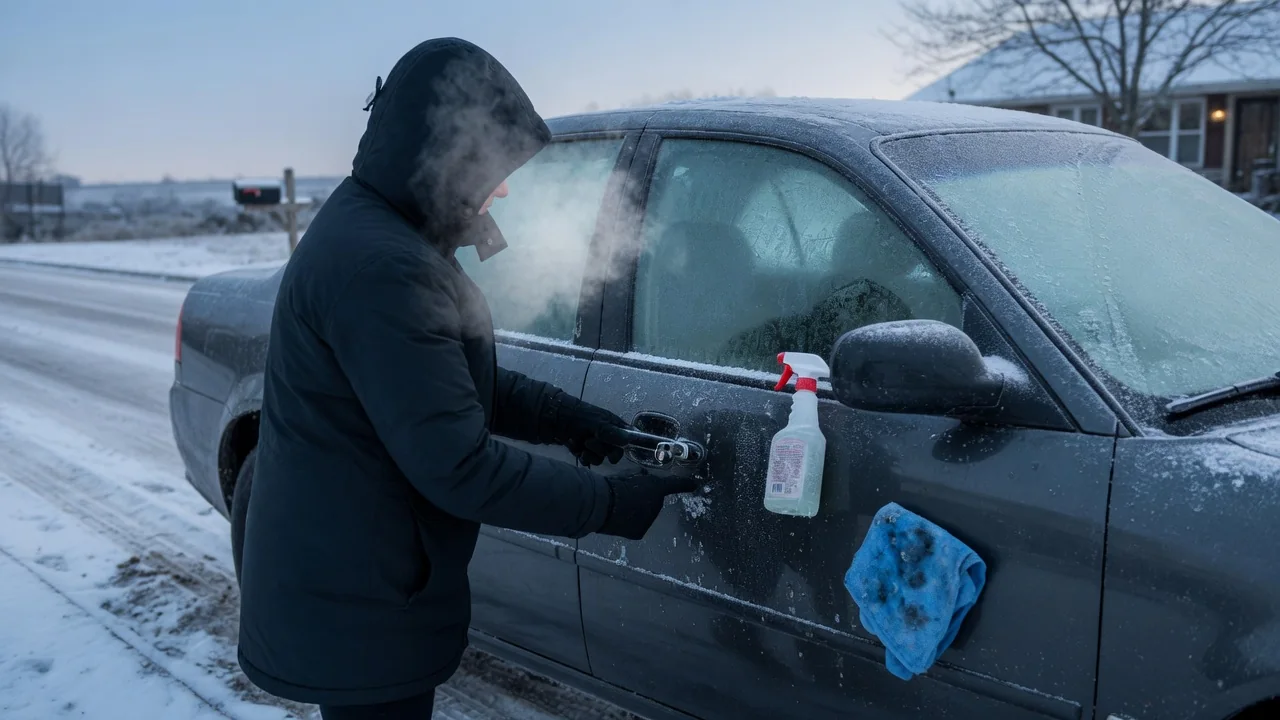
Learning how to keep car locks working in freezing weather comes down to two habits: keeping water out of the mechanism and using patience when something sticks. A lock cylinder or door latch rarely fails because of cold alone. It fails because trapped moisture turns to ice around small moving parts, and then force finishes the job.
Dry after wash
Washing a vehicle in winter pushes water into places that normally stay dry, including the key cylinder, the gap behind the door handle, and the latch at the edge of the door. If the temperature drops before that water drains or evaporates, it freezes in place. Wiping the door jambs, handle recesses, and rubber weatherstrips with a clean towel after a wash removes most of the water that would otherwise hold the door shut or immobilize the lock.
Opening and closing each door a few times after washing helps shake droplets out of the latch and shows where water is still pooling. Driving for a while before parking gives airflow and cabin warmth time to help with drying. Vehicles differ here: some have a small cover or flap over the key cylinder, some hide the cylinder behind a cap on the handle, and frameless windows add another seal that can hold water against the glass.
Use key correctly
A metal key should slide in fully and turn with light, steady pressure. If it stops partway in, ice or debris is likely blocking the cylinder, and pushing harder only compacts it. A dry key matters too, because a wet or snow-covered blade carries fresh moisture straight into the tumblers. Wiping the key before inserting it and turning it slowly lets you feel resistance early, before anything bends or binds.
Many newer vehicles rely on a remote fob, with a mechanical key blade stored inside for emergencies. Because that hidden cylinder is seldom used, it can stiffen or collect grime unnoticed, so trying it occasionally in mild weather confirms it still turns. The location and release method of the emergency blade and cylinder vary by manufacturer, and the owner's manual is the reliable place to confirm how yours works before a cold morning demands it.
Avoid force
Cold makes plastic and thin metal less forgiving. A key twisted hard against a frozen cylinder can bend or snap, leaving part of the blade inside. A door handle yanked against a frozen latch or a stuck seal can crack its linkage or housing, and a weatherstrip bonded to the door frame by ice can tear when the door is wrenched open. Each of these turns a temporary inconvenience into a repair.
Gentler approaches usually work. Pressing firmly along the edge of the door can break the ice bond at the seal without stressing the handle. Trying another door, or the rear hatch, may get you inside so the cabin heat can do the rest. A lock de-icer product made for automotive cylinders is a safer choice than pouring hot water, which can refreeze quickly and may stress cold glass and paint.
Everyday Use and Observations
Small signs often appear before a lock freezes solid. A key that feels gritty or needs extra effort, a handle that returns slowly, or a door that needs a second pull to latch all suggest moisture or old lubricant thickening inside. Power locks may sound slower or weaker in deep cold, and a remote that works only at close range can point toward a weak fob battery rather than a mechanical problem.
Parking habits also influence how much moisture reaches the locks. A garage or covered space keeps freezing rain and wet snow off the handles and seals, while parking outdoors after a thaw followed by a hard freeze is the classic setup for stuck doors. Brushing snow away from the handles and door seams before it melts and refreezes helps, and a lubricant suited to locks, applied sparingly before winter, can displace moisture.
Limits and Next Steps
Prevention has limits. If a lock keeps freezing despite careful drying, water may be entering through a worn seal, a damaged handle gasket, or a blocked door drain, and that calls for inspection rather than more de-icer. A cylinder that stays stiff in mild weather, or a key that shows visible wear, points to mechanical wear rather than ice, and continuing to use it risks a broken key.
Electrical symptoms deserve the same caution. Locks that respond erratically, cycle on their own, or fail on one door could involve an actuator, wiring, or the vehicle battery, and cold weather often exposes a weakness that already existed. Because lock and entry systems differ widely between makes and models, a qualified technician or locksmith familiar with your vehicle is the right next step when gentle methods and basic moisture control do not restore normal operation.