Car door rubber seal freezing
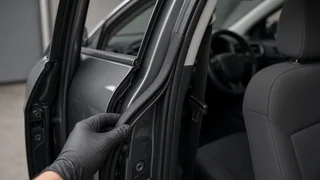
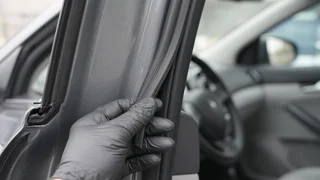
A frozen car door rubber seal can make a simple morning commute feel like a locked puzzle. Water works into the sealing groove, then ice bonds the flexible weatherstrip to the painted door jamb or body opening. Pulling harder often worsens the tear risk. The practical answer is to release the bond without damaging the material compatibility or compression fit. Gentle de-icing, moisture control, and correct treatment of the seating groove return the seal to dependable service in cold weather.
Essential answer
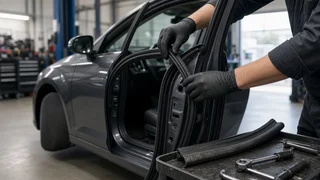
A frozen car door rubber seal is a weatherstrip that has become stuck to adjacent metal or plastic because water between the surfaces turned to ice. The seal itself has not necessarily failed; the bond is temporary and usually releases with mild warmth or a lubricant that lowers water adhesion. Its scope includes the primary door opening, movable glass channels, and the fixed seating groove where retaining clips hold the bulb or lip in place. The goal is safe separation, not forcing the handle or prying the outer trim.
Because freezing depends on trapped moisture, the condition differs from a hardened, torn, or compressed seal that no longer springs back. A flexible weatherstrip with good compression fit can still freeze when overnight condensation, a quick thaw, or a car wash leaves water in the pinch area. Before suspecting damage, inspect whether the door is latched or actually bonded by ice. Releasing that bond usually restores normal operation, provided the rubber has not been cut or yanked away from its retaining clips.