How to Check Whether a Car Door Is Fully Latched
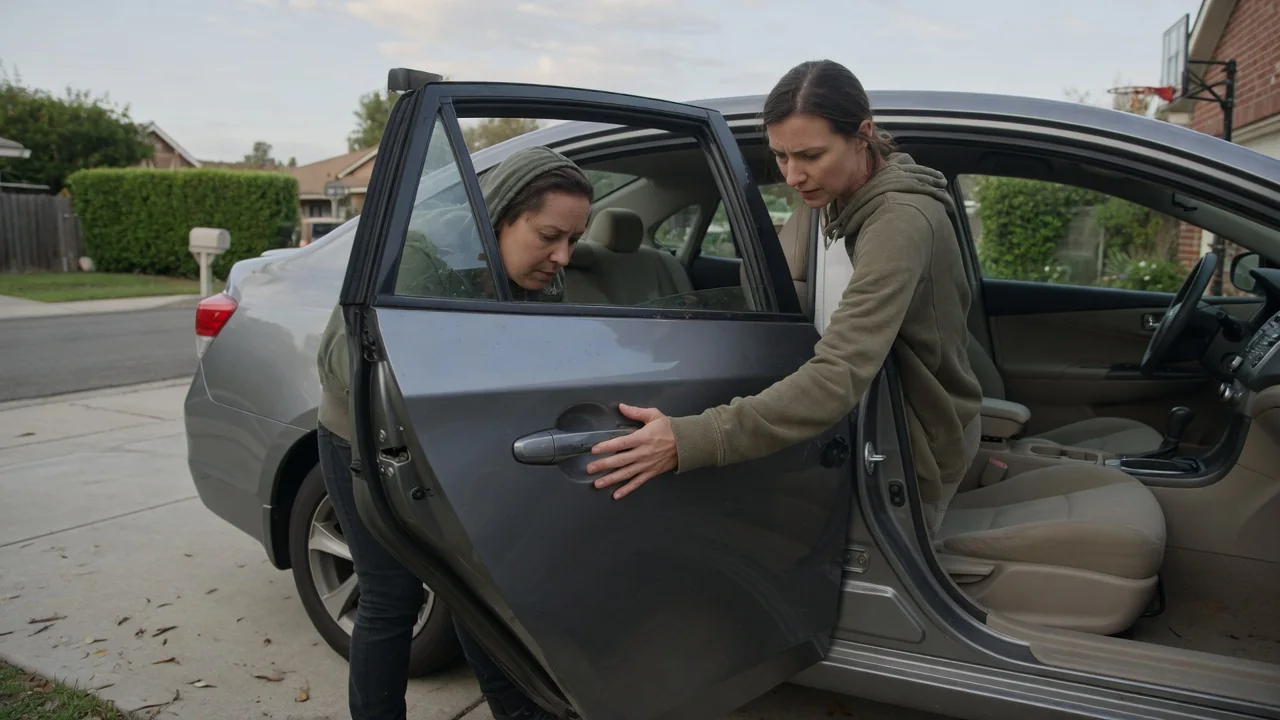
A door that looks shut is not always secured. Knowing how to check whether a car door is fully latched takes only a few seconds and relies on things anyone can see or hear: the sound of the closure, the alignment of the panel with the body, and the door ajar indicator on the instrument cluster. Together they give a dependable everyday confirmation.
Close normally
Start by closing the door the way it was designed to be closed, with a firm, steady swing from a short distance rather than a slam or a gentle push. Most door latches engage a striker on the body in two stages. The first is a safety catch that holds the door loosely, and the second is the full latch position that pulls the panel tight against the weatherstrip. A normal close should carry the latch past the first stage and into the second in one motion.
Listen and feel as it shuts. A fully latched door usually produces a single solid thud, while a door stuck on the first catch often sounds hollow or gives a lighter double click. Pressing gently on the outside of the panel near the handle is a useful follow-up; a door that moves inward and clicks again was only partly closed. Vehicles with soft-close or power-cinching doors behave differently, drawing the door in with a motor, so the owner's manual is the best guide to what is normal.
Check gaps
Once the door is shut, step back and look at how it sits in the body. The gap between the door's rear edge and the neighboring panel should be even from top to bottom and similar to the same gap on the opposite side of the vehicle. The outer skin should also sit flush with the adjacent fender or quarter panel. A door resting on the safety catch typically stands slightly proud, leaving its rear edge raised by a visible amount.
Body lines and trim make this comparison easier. A crease or chrome strip that runs across the door should continue onto the next panel without a step, and the window frame should press evenly into its seal along the roofline. Running a hand across the seam can reveal an offset the eye misses in poor light. Keep in mind that panel fit varies by make, age, and any prior body repair, so comparing against the other doors on the same car is more reliable than any general standard.
Respond to warnings
The dashboard provides the second half of the check. Many vehicles show a door ajar symbol, often an overhead outline of a car with one or more doors open, and some displays identify which door, hood, or liftgate is involved. This warning is driven by a switch in the latch or door jamb, so it generally reflects whether the latch has reached its fully closed position. An interior dome light that stays on after everything is shut points the same way.
If the warning appears, the sensible response is to stop somewhere safe before investigating rather than reaching for a door while moving. Open the indicated door completely, check that a seat belt, coat hem, or cargo strap is not caught in the opening, and close it again with a normal swing. A light or chime that clears confirms the latch has engaged. How the alert appears, whether a symbol, text message, or chime at speed, differs between manufacturers, so the owner's manual explains the specific display.
Everyday Use and Observations
Certain everyday situations make a partial latch more likely. Closing the last door on a tightly sealed cabin can meet air pressure resistance, so a light push may stop at the first catch; cracking a window slightly often changes how easily it shuts. Cold weather stiffens seals and can leave ice around the striker. Children and passengers unfamiliar with the vehicle may close doors too softly, and rear doors or liftgates loaded with bulky items are easy to leave resting against cargo.
Small signs while driving are also worth noticing. Extra wind noise from one side, a rattle over bumps, a draft near the seal, or door locks that refuse to engage from the remote can all suggest a door that is not fully seated. Some vehicles will not lock or will sound the horn when a door is ajar, though this behavior is not universal. Building a habit of glancing at the cluster before pulling away, and looking down the side of the car after loading passengers, catches most cases.
Limits and Next Steps
These checks have limits. A visual inspection cannot confirm the internal condition of a latch, and the dashboard warning depends on a switch and wiring that can fail on their own. A light that stays on while the door is clearly flush and secure may indicate a sensor or switch issue rather than an open door, and the reverse is also possible: no warning does not guarantee full engagement. Treat the visual check and the indicator as two pieces of evidence that should agree.
When they do not agree, or when a door needs repeated slamming, bounces back open, sits unevenly, or shows a persistent ajar warning, the vehicle deserves professional attention. A technician can assess striker alignment, hinge wear, latch operation, and the switch circuit, and can check whether any open recalls apply to that model. Until it is inspected, avoid carrying passengers beside a door that will not stay reliably shut. A door that closes with one normal swing, sits flush, and leaves the cluster clear can be considered fully latched.