Hopkins Impulse Trailer Brake Controller
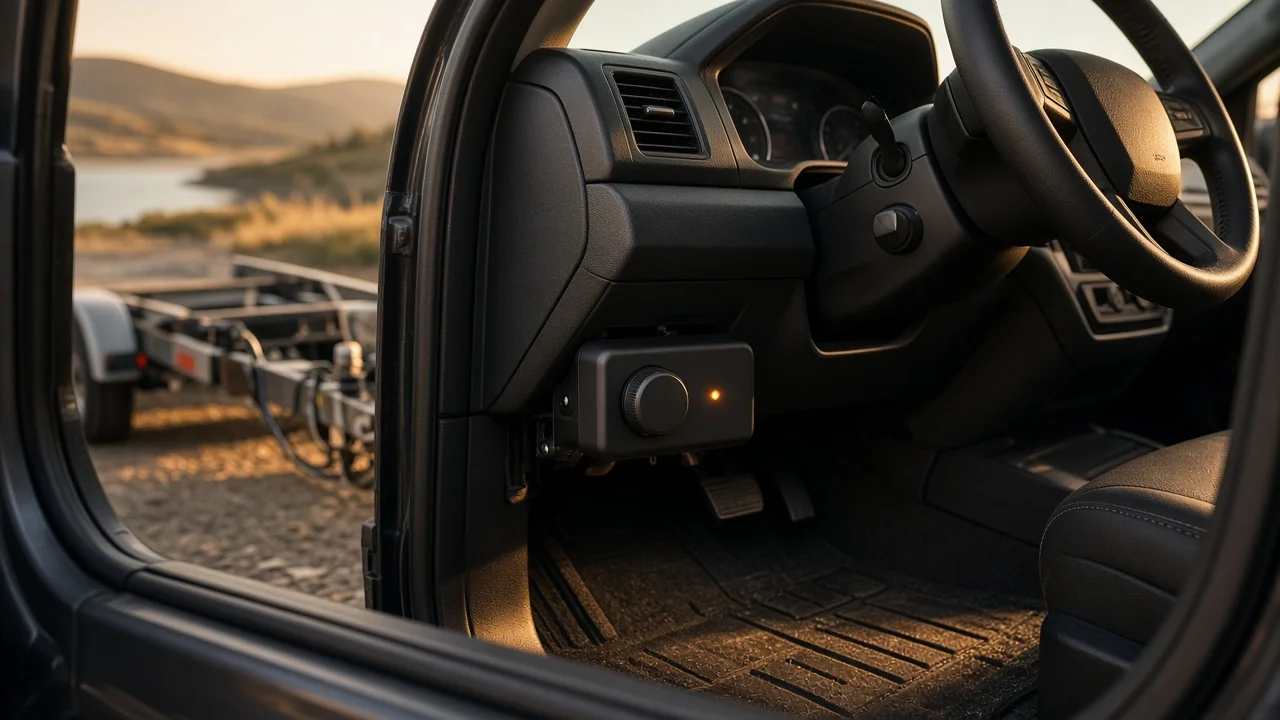
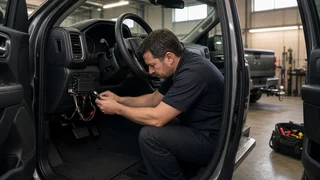
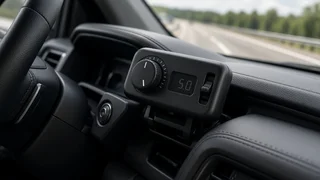
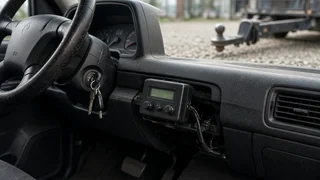
Choosing a Hopkins Impulse trailer brake controller means matching the unit’s output behavior to your tow vehicle and trailer brake type. The controller translates tow-vehicle deceleration into a proportional signal that manages trailer stopping force. Because wiring, mounting angle, and trailer load change how any controller feels on the road, buyers commonly compare the Impulse against time-delay and proportional designs. The following sections explain the direct answer for shopping and selection, then cover the practical considerations that affect installation and use.
The direct answer
The Hopkins Impulse is generally understood as a time-delay style trailer brake controller rather than a full inertia-sensing proportional unit. That means the driver sets a gain or output level that suits the trailer weight and road conditions, and the controller applies brake force based on that setting instead of measuring tow-vehicle deceleration directly. This distinction matters for anyone comparing smoothness with simpler dash-mounted controls. The Impulse name itself is often the primary search phrase, so confirm whether the listing shows a solid-state time-delay module or a newer branding variation before ordering.
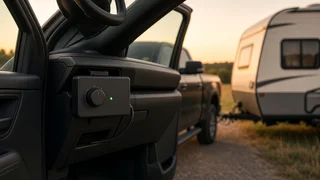
For purchase research, the immediate answer is that you are looking at a brake-control device designed for trailers with electric brakes, not surge-brake trailers or hydraulic-only systems. A buyer should first verify the number of axles and brake assemblies involved, because controller output expectations change with load. If your trailer already has electric drum brakes and the tow vehicle has a standard brake-control harness port, the unit may be a straightforward connection; if adapters or additional relays are needed, those parts will influence the total install path and should be identified at the outset.