Hopkins Agility Trailer Brake Controller
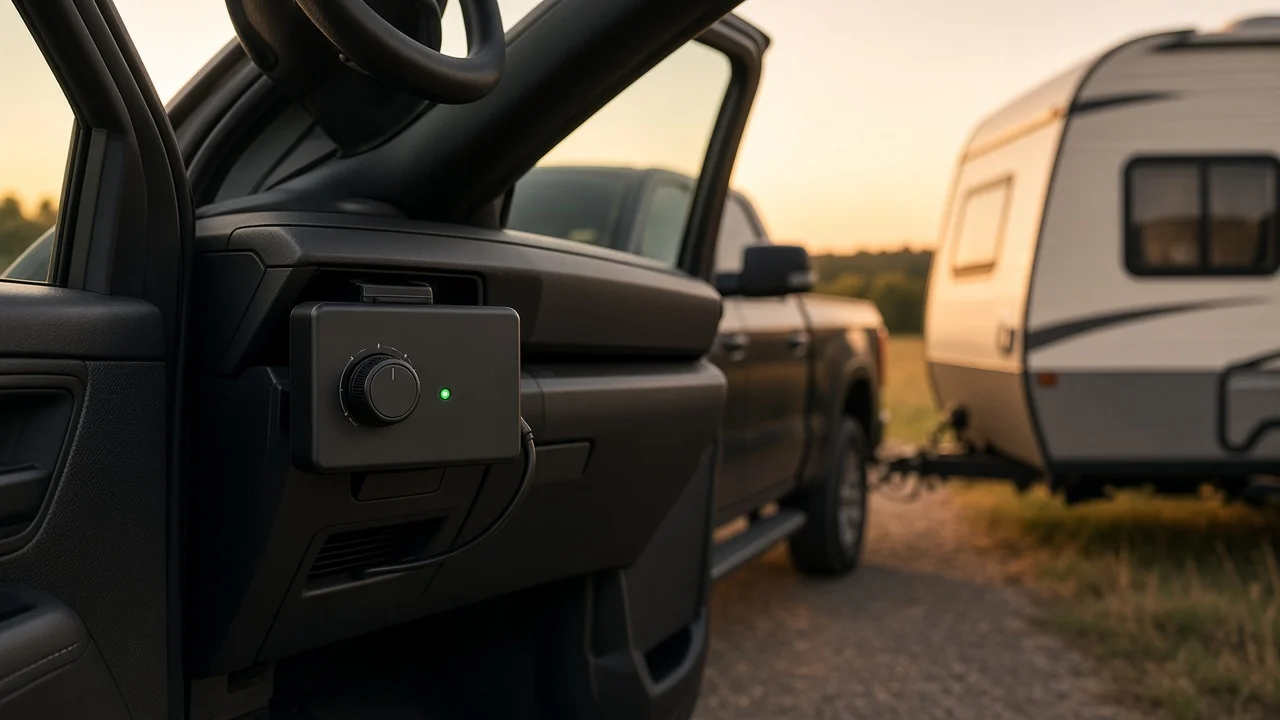
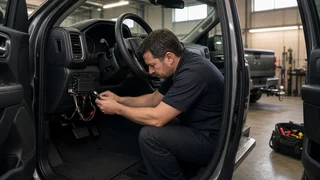
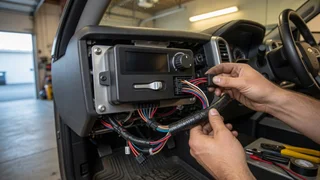
Choosing a trailer brake controller means matching the device to how your tow vehicle communicates with the trailer, not just picking a familiar name. The Hopkins Agility trailer brake controller is often considered because it supports a proportional braking feel that responds to the tow vehicle’s deceleration. Before buying, you need to check vehicle fitment, the existing brake system hardware such as brake pads, calipers, and brake fluid condition, and the wiring access under the dash. A controller cannot correct worn friction material or undersized brake rotors, so the installation must be viewed as part of the whole braking system rather than a standalone upgrade.
The direct answer
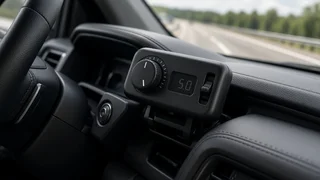
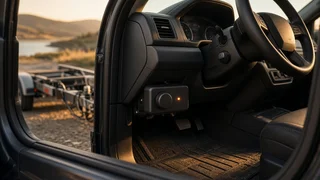
The immediate buying decision depends on whether the Hopkins Agility trailer brake controller matches your tow vehicle’s connector, mounting location, and braking expectations. The unit is generally described as a proportional controller, meaning it uses an internal sensor to apply trailer brakes in proportion to how firmly the tow vehicle is slowing. That can reduce the sharp trailer shove that some time-delayed controllers produce, but only when the controller is correctly mounted near level and calibrated to the loaded trailer weight.
Before purchase, inspect the trailer side as well. Brake pads and brake rotors should be within wear limits, calipers should move freely, and the brake fluid should be clean enough to transfer pressure predictably. A new controller can send the right signal and still feel weak if the trailer’s friction material is glazed or the rotors are heavily scored. Vehicle fitment is the other condition that materially changes the answer, so confirm that the harness adapter and any mounting bracket suit the specific year, make, and model of the tow vehicle before ordering.