Hopkins Insight Trailer Brake Controller
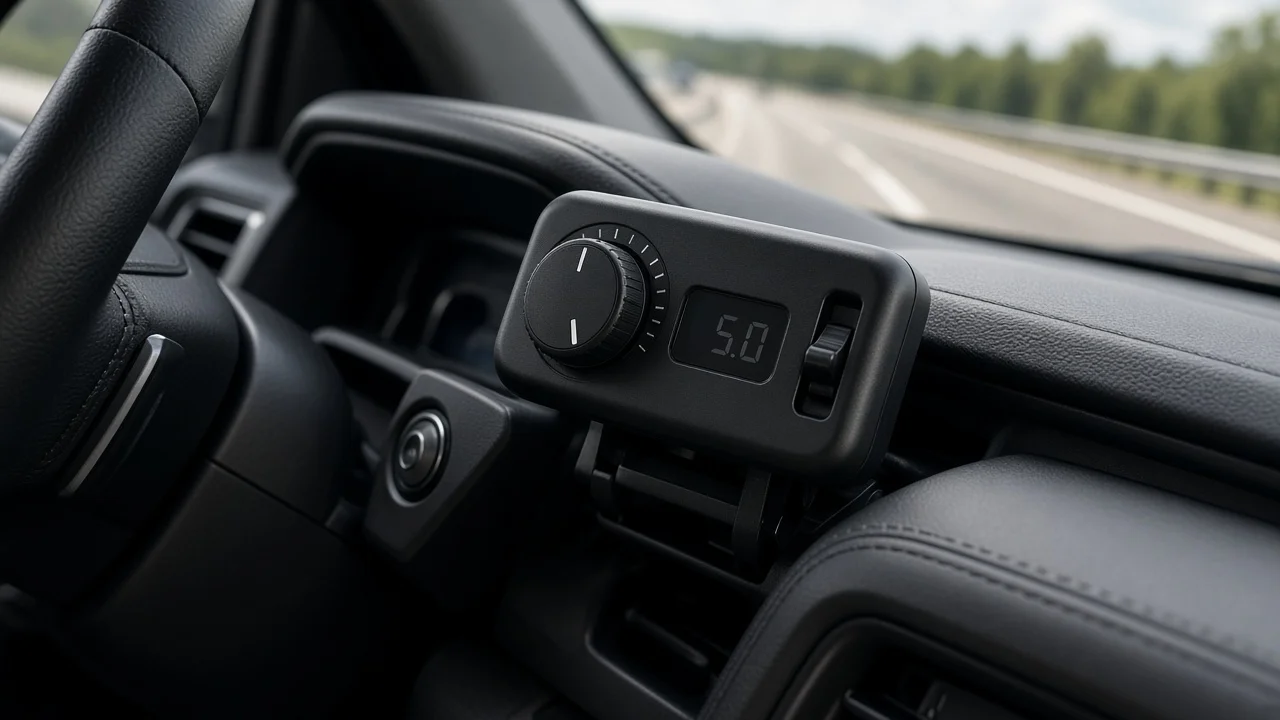
Shopping for a Hopkins Insight Trailer Brake Controller means sorting out how this in-cab unit manages electric trailer brakes, what your tow vehicle needs, and why braking feel changes with load. The decision usually comes down to control type, mounting fit, and signal source. Understanding the controller's role between the brake pedal, trailer wiring, and trailer brake assemblies helps you choose a unit that gives predictable stops without confusing the vehicle's own brake system or overworking the trailer's friction material.
The direct answer
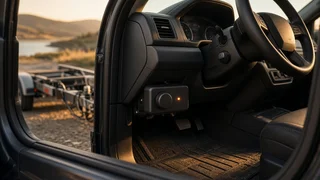
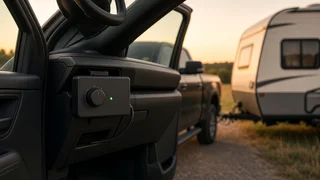
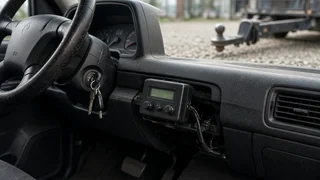
The Hopkins Insight brake controller is generally understood as a time-based or proportional-style electronic interface that sends a variable voltage signal to a trailer's electric brakes when the tow vehicle slows. The immediate answer for most shoppers is that it can be a suitable choice when the tow vehicle has a compatible plug-and-play harness or a clearly identified brake controller connector under the dash. The controller's job is not to apply the trailer brakes independently; it translates brake pedal activity and driver adjustment into a controlled current reaching the trailer brake magnets.
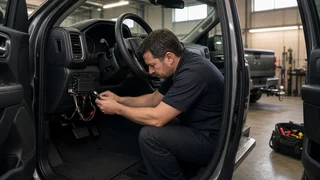
One condition materially changes the recommendation: vehicle fitment. A controller that plugs into one truck or SUV may require an adapter harness or wired installation in another. Because electric trailer brakes operate through electromagnets pressing friction material against the brake drum, the controller must match the trailer's brake circuit and the tow vehicle's stop lamp signal. Confirming the connector style, mounting location, and number of axles before purchase prevents a mismatch where the trailer brakes grab too early or barely respond.