Choosing a GM 10-Speed Transmission Valve Body Upgrade
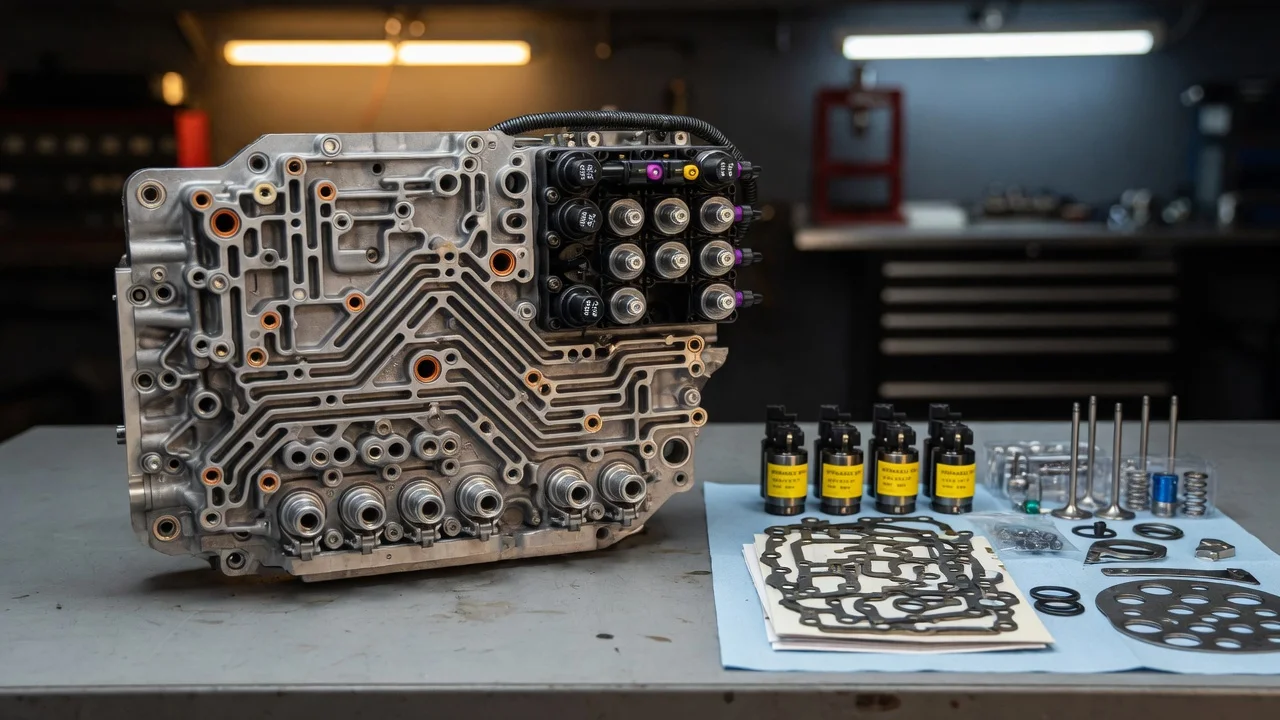
A valve body upgrade can be a sensible repair for a GM 10-speed automatic with confirmed hydraulic problems. It is not a universal cure for harsh shifts or shudder. This guide is for owners of trucks, SUVs and performance cars with a 10L80, 10L90 or related 10-speed. It explains how to decide whether an upgraded valve body suits your vehicle, which fitment details matter, and how to compare options without relying on marketing claims.
Define the job the product must do
Valve body upgrades are usually sold for one of three goals. The first is restoring consistent hydraulic control in a high-mileage unit. The second is correcting a wear-related shift complaint. The third is supporting higher torque and firmer shifts in a modified vehicle. These goals call for different parts. A stock-power daily driver that tows occasionally benefits most from correct, repeatable pressure control. A supercharged or heavily tuned build may need different calibration and more clutch capacity, and a valve body alone cannot provide that. Before shopping, write down how the vehicle is used, its power level, the weight it tows, and whether it is still under warranty.
Next, separate symptoms from causes. Harsh or delayed engagement, flare between gears, a clunk on downshifts and torque converter shudder can all have several sources: fluid level or condition, outdated software, adaptive values, solenoid faults, wiring, worn clutches, or the valve body itself. To narrow it down, scan for diagnostic codes and record the shift behavior with live data such as commanded versus actual gear and slip speeds. Check whether service bulletins or software updates apply, and review the service history for fluid changes and earlier repairs. A valve body upgrade makes sense when this process points to hydraulic wear or sticking valves. It should not be a first guess.
Practical constraints matter as well. If factory powertrain coverage still applies, a dealer repair may be the cheaper route, and an aftermarket hydraulic part can complicate later warranty claims. Your budget should cover labor, fluid and programming as well as the part.
Check compatibility
Start with the transmission type, not the vehicle badge. GM's rear-drive 10-speed family includes the 10L80 and the higher-capacity 10L90. Heavy-duty Duramax trucks use the Allison-branded 10L1000. These units differ in internal parts and calibration, so do not assume a valve body built for one will fit another. The same applies to the related Ford 10R80: the two designs were developed together, but shared heritage does not prove that parts interchange.
Confirm fitment against three sources: the transmission RPO code on the vehicle's service parts label, the transmission identification tag, and the VIN. Compare model year ranges carefully, because parts and calibrations can change during production. Ask the seller which parts are included, such as the separator plate, check balls, filters and gaskets. Also ask whether the unit reuses your existing solenoids and control electronics or replaces them. If control components are integrated with or paired to the valve body, the replacement may need programming or a learn procedure, which requires suitable scan tool access.
Fluid specification is also part of compatibility. GM specifies a low-viscosity Dexron fluid for these transmissions, and the hydraulic circuit is designed around the specified fluid. Confirm the exact specification in the owner's manual or on the service label. Be wary of any supplier that recommends a substitute fluid to mask a shift complaint.
Features that affect the choice
Products sold as valve body upgrades generally fall into three categories. A remanufactured unit is restored to factory specification. A corrected unit uses oversized or sleeved valves to address known wear points. A performance unit has altered springs, orifices or valves for firmer, quicker shifts. The first two aim to restore consistency. The third changes how the transmission behaves and can increase driveline harshness. Decide which category you need before comparing prices.
Look for evidence that relates to your goal. Useful information includes whether each unit is tested on a hydraulic stand before shipping, which bores are machined or resized, and whether new valves and springs are installed. Also check whether a matching calibration or tuning guidance comes with the part. Labels such as stage levels, heavy duty or race proven say little unless the seller describes what was actually changed. A clear explanation of the specific valve or bore that was repaired is more useful than a torque rating with no stated test method.
Shift quality on these transmissions is controlled electronically as well as hydraulically. A firmer hydraulic response may need a matching calibration, and some upgrades are designed to run with a custom tune. If you do not plan to tune the vehicle, choose a unit intended for the stock calibration.
Limitations and ownership costs
A valve body cannot fix worn clutch packs, a damaged torque converter, a failing pump, or debris already in the case. If the fluid shows heavy friction material or metal, the transmission may need a broader repair such as an overhaul or replacement. Installing a new valve body in a contaminated unit risks damaging it quickly. The installation itself involves draining the fluid, removing the pan and filter, following the correct bolt torque sequence, and filling the fluid correctly. On these units, the fluid level is often checked at a specified temperature through a check plug rather than with a conventional dipstick.
Budget for fluid, filter, gaskets, shop labor, programming, and an adaptive relearn after installation, plus a road test to confirm the result. Expect an adjustment period while adaptive values settle. Performance-calibrated units can increase driveline stress and may shorten clutch life when combined with aggressive tuning. Read the supplier's warranty terms, including any requirement for professional installation and any core charge. Keep records of the part number, the fluid used and the software level, since these help with future diagnosis and any warranty claim.
Build a practical shortlist
Apply the same questions to every candidate. Does the listing name the exact transmission type, model year range and RPO code that match your vehicle? Is the unit meant to restore factory behavior or change it, and does that match your goal? Which wear points are corrected, and is each unit tested before shipping? Which parts are included, and will you need separate programming, a tune or a learn procedure? Which fluid does the supplier specify, and does it match GM's requirement? What are the warranty length, installation requirements and core terms?
Keep two or three options that answer these questions clearly, then compare total installed cost rather than part price alone. If your diagnosis is still uncertain, or the codes point to an electrical fault, finish the diagnosis before buying. A transmission specialist familiar with GM 10-speed units can confirm whether a valve body upgrade is the right repair or whether another approach will fix the problem more reliably.