Ford Integrated Trailer Brake Controller

Towing with a late-model Ford truck is easier when the factory trailer brake system is already part of the dashboard. The integrated trailer brake controller replaces a separate aftermarket box by linking the truck’s brake pedal, hydraulic system, and trailer wiring into one coordinated response. This overview explains what the Ford integrated trailer brake controller is, how it behaves during normal stops, and how it differs from older add-on devices. It focuses on general operating principles rather than model-specific programming, so the reasoning applies broadly to F-150, F-250, and similar platforms.
Essential answer
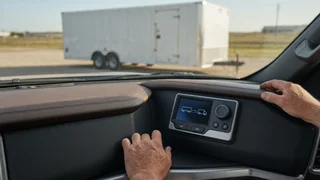
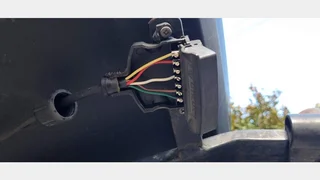
A Ford integrated trailer brake controller is a factory-installed or factory-designed electronic module that applies the trailer’s electric brakes in proportion to the truck’s braking effort. Instead of mounting a separate box under the dash, the driver adjusts gain and, where equipped, manual squeeze-lever output through the instrument cluster or center stack. The controller reads vehicle speed, brake pedal input, and deceleration signals, then sends variable voltage to the trailer brake magnets. This creates a coordinated stop rather than a sudden jerk when the trailer brakes engage at full force.
The integrated system is distinct from a generic time-delayed controller because it responds to the truck’s actual braking behavior. It also supports trailer sway mitigation logic on many trucks, briefly pulsing the trailer brakes when yaw sensors detect instability. Since the module is built into the vehicle network, the message center can display trailer connection faults or controller settings without extra gauges. How to use a trailer brake controller in an F-150 or how to use a trailer brake controller in an F-250 therefore begins with selecting the appropriate gain for the loaded trailer weight and confirming the trailer brake output during a low-speed test.