Ford 5.4L 3V Cam Phaser Repair Kit
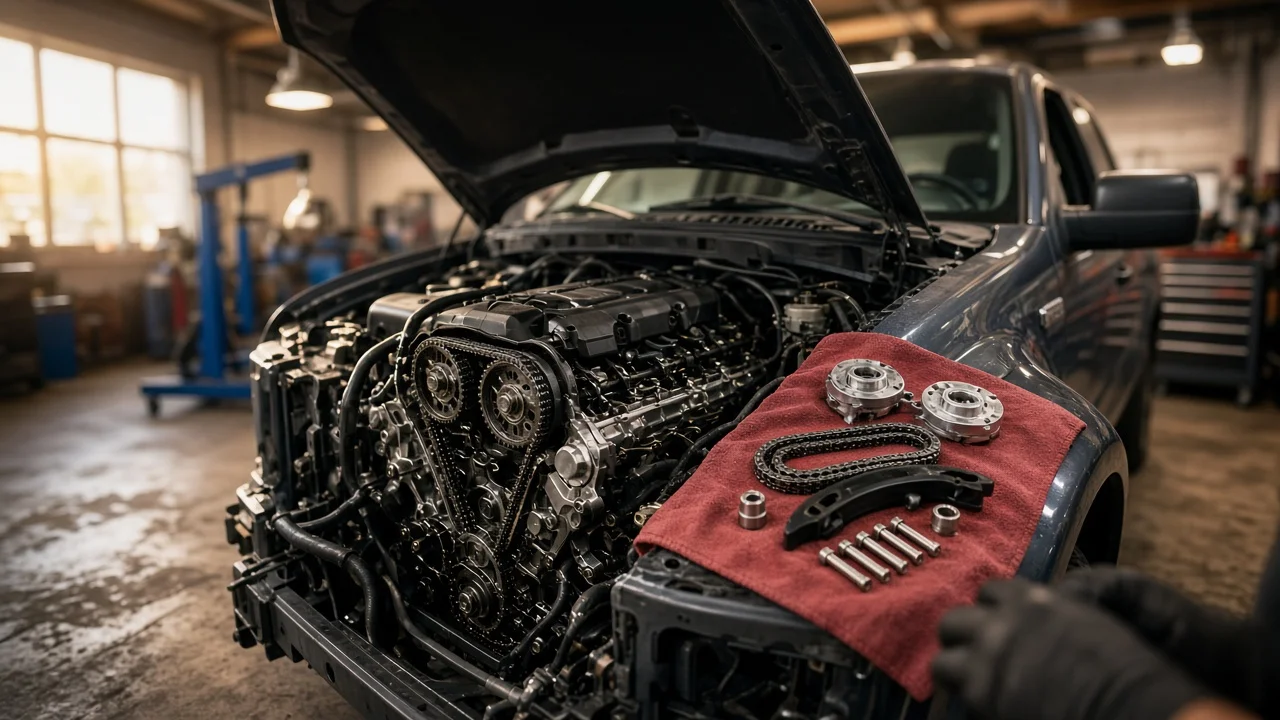
A Ford 5.4L 3V cam phaser repair kit addresses the variable camshaft timing hardware that commonly wears on Triton engines, often revealing itself as a rhythmic rattle at hot idle or a diagnostic code for over-retarded cam timing on one bank. The measured search demand for this repair kit underscores how many owners face the same repair decision. Choosing the right kit requires understanding what the parts control, how noise and codes narrow the likely cause, and what must be inspected before purchasing. The following sections separate immediate guidance from diagnostic reasoning, helping you evaluate what you are actually hearing, reading, and preparing to replace.
The direct answer
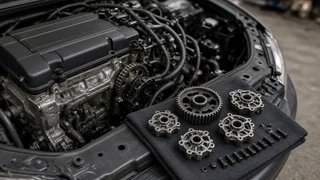
The immediate answer is that a camshaft drive phaser repair kit supplies replacement phasers, often with updated internal components and related hardware such as timing chain guides, tensioners, gaskets, seals, and fasteners. It is intended for the Ford 5.4L three-valve engine when the variable camshaft timing system has worn beyond safe or acceptable operation. The kit is not automatically required simply because the engine has high mileage; it becomes relevant when movement, noise, or control problems point specifically to the phaser assemblies.
Kits vary by what they include, so the direct buying decision depends on matching the scope of the repair. A basic phaser kit may cover only the actuators, while more complete offerings include the timing set components normally disturbed during access. Before ordering, confirm that the truck or SUV application matches the three-valve engine and that the kit covers both banks if required. The condition that materially changes this answer is open mechanical diagnosis: if timing-chain guide debris, oil pressure problems, or solenoid faults are present, phasers alone will not resolve the repair.
Understanding a problem
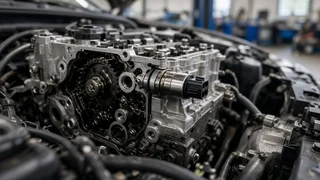
The characteristic Ford 5.4L 3V phaser complaint is a metallic rattle that appears after the engine reaches operating temperature and is most evident at idle. The noise is created when the locking pin inside the original phaser becomes worn, allowing the rotor to oscillate within the housing while the engine is running. Oil pressure also plays a direct role in phaser response, so low oil, the wrong oil viscosity, contaminated oil, or pressure loss through worn passages can mimic or worsen phaser failure.
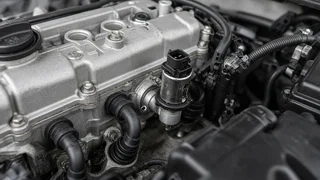
A diagnostic code for cam position over-retarded on one bank is evidence that the powertrain control module could not move that camshaft to the commanded angle, but it does not by itself prove the phaser is defective. The same code can result from a sticking oil control solenoid, degraded wiring at the solenoid connector, a blocked oil feed screen, or damaged chain guides altering base timing. Before buying the repair kit, confirm the fault by checking oil condition and pressure, inspecting the control solenoids, and observing whether the timing error clears or persists. Continued driving with confirmed phaser knock can create debris that damages chain guides and, in severe cases, affects engine timing.