DMV Emissions Testing: How It Fits Into Vehicle Registration
The Short Answer
An emissions test for registration is an inspection that checks whether a vehicle's exhaust output and pollution-control equipment meet the standards set by the jurisdiction where it is registered. In places that require one, a passing result, or a valid exemption, is generally a condition of registering or renewing the vehicle with the state motor vehicle agency, commonly called the DMV.
The key qualification is that there is no single national emissions test requirement for registration in the US. Whether you need a test depends on your state, and often on the specific county or metropolitan area within it, as well as on the vehicle's age, fuel type and class. Some states require testing statewide, some only in certain areas, and some not at all.
Why Requirements Differ by Location
Emissions testing programs in the US are tied to federal air quality rules under the Clean Air Act, but states design and run their own programs. Testing is most often required in areas that have had difficulty meeting federal air quality standards, which is why two drivers in the same state can face different rules depending on where their vehicle is registered.
Because of this structure, the program may go by different names. Some states call it a smog check, others an emissions inspection or an inspection and maintenance program. The underlying purpose is the same: to identify vehicles whose emissions systems are not working as intended.
What the Test Typically Involves
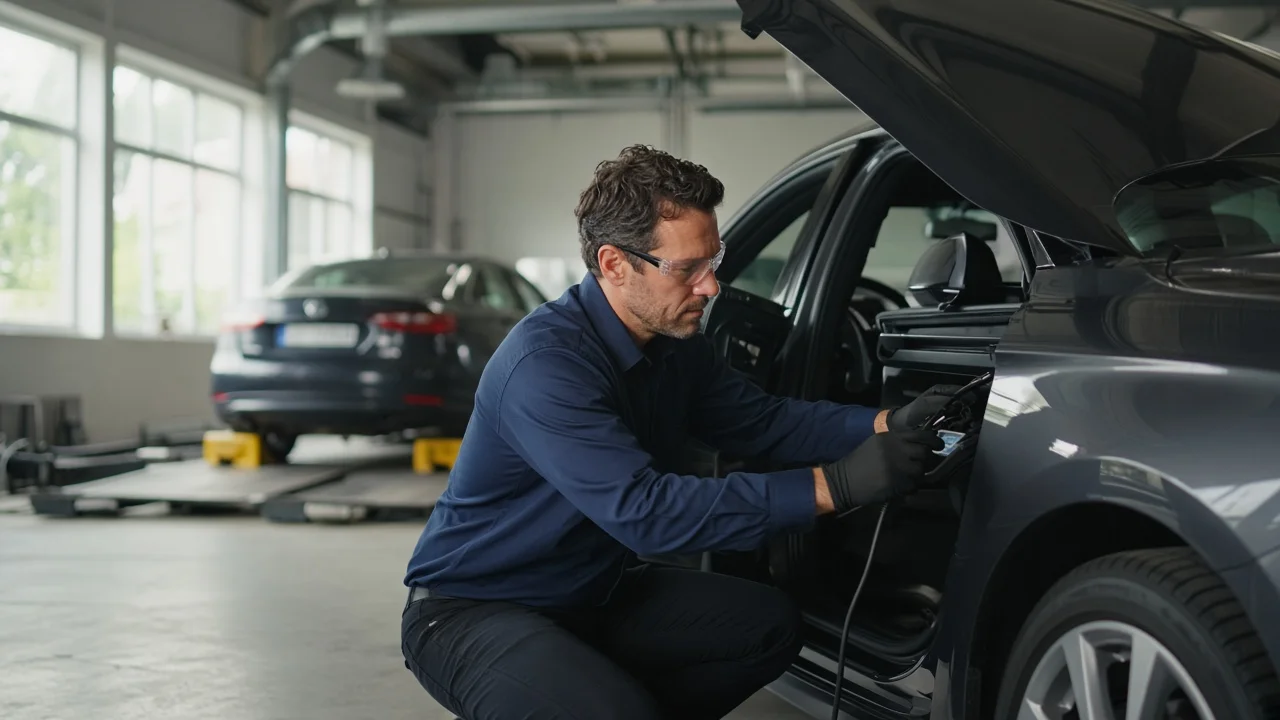
Test methods vary by program and vehicle. For many modern cars and light trucks, the inspection relies on the onboard diagnostics system, often abbreviated OBD, which is the vehicle's built-in computer monitoring of engine and emissions components. The inspector connects to the diagnostic port and checks for stored fault codes and whether the system's self-tests have completed. Older vehicles, or those outside a program's OBD-based scope, may instead receive a tailpipe test that measures exhaust gases directly. Many programs also include a visual check for missing or tampered emissions equipment.
An illuminated check engine light is a common reason for a vehicle to fail an OBD-based test, since it usually indicates a stored fault. Recently disconnecting the battery or clearing codes can also cause a vehicle to be turned away, because the diagnostic self-tests need time and normal driving to reset.
Common Types of Exemptions
Many programs exempt certain vehicles, though the categories and cutoffs differ by state. Exemptions often apply to some or all of the following, depending on local rules:
Fully electric vehicles, which produce no tailpipe emissions; New vehicles within an initial period after purchase; Older vehicles beyond a certain age, or classified as historic or collector vehicles; Certain fuel types, weight classes, motorcycles or other vehicle categories
No specific model-year cutoffs, age limits or vehicle classes were confirmed for this article, so check the rules for your state and registration area before assuming a vehicle is exempt.
How to Confirm What Applies to Your Vehicle
The most reliable source is your state's motor vehicle agency or its environmental or air quality agency. Many states indicate on the registration renewal notice whether an emissions test is required for that cycle. If the notice is unclear, the agency can confirm based on your vehicle and registration address.
Check your renewal notice for an emissions or smog requirement; Confirm whether your county or area is part of a testing program; Verify whether your vehicle's age, fuel type or class qualifies for an exemption; Find out how test results are reported, since some programs send them to the DMV electronically; Ask what happens if the vehicle fails, including retest rules and any repair waivers
Information Gaps
This overview reflects general principles of how US emissions testing programs work. It does not include state-specific requirements, test fees, testing intervals, exemption cutoffs, failure thresholds or deadlines, because no confirmed figures were available. Those details vary by jurisdiction and change over time, so confirm them with the relevant state agency before scheduling a test or renewing your registration.